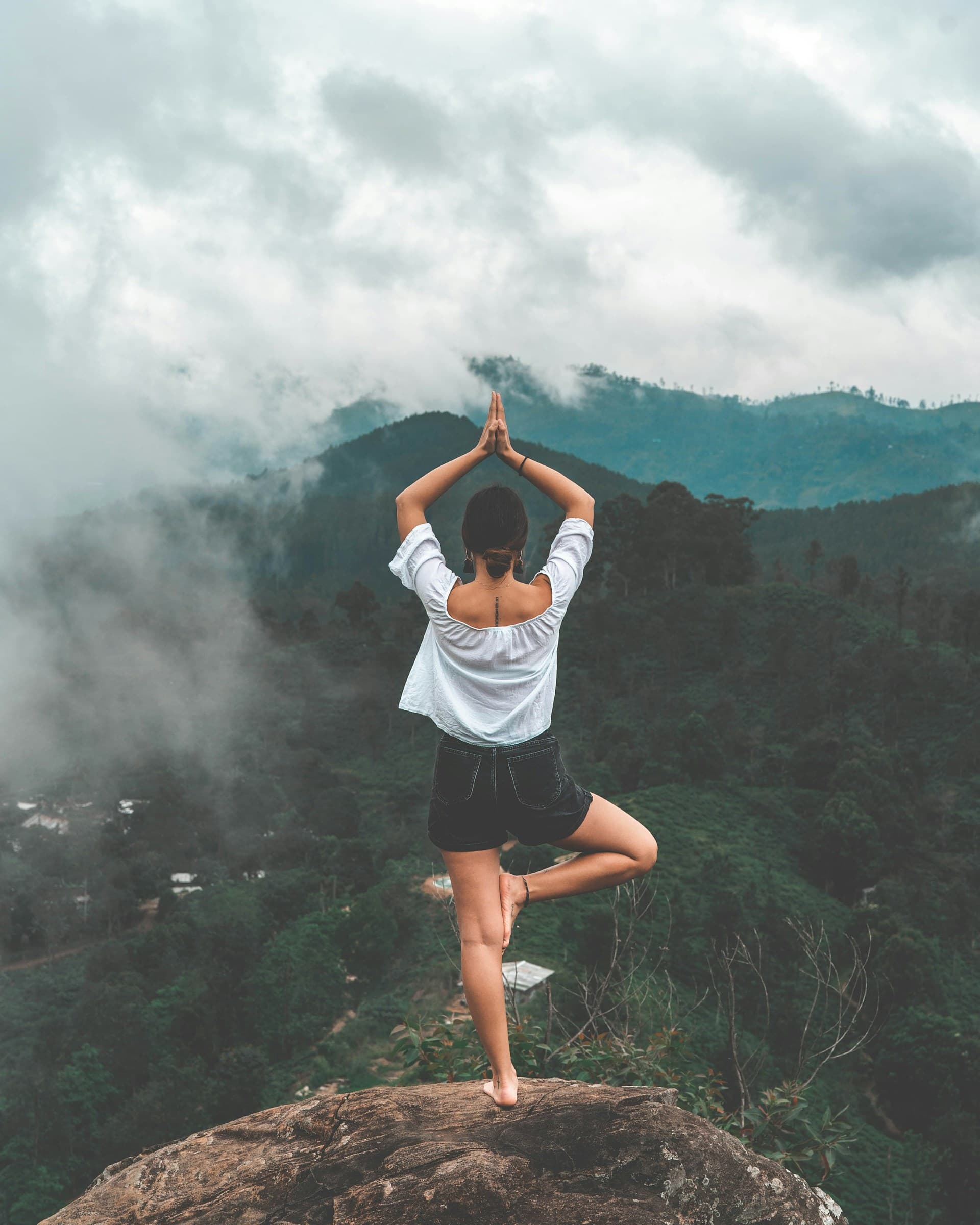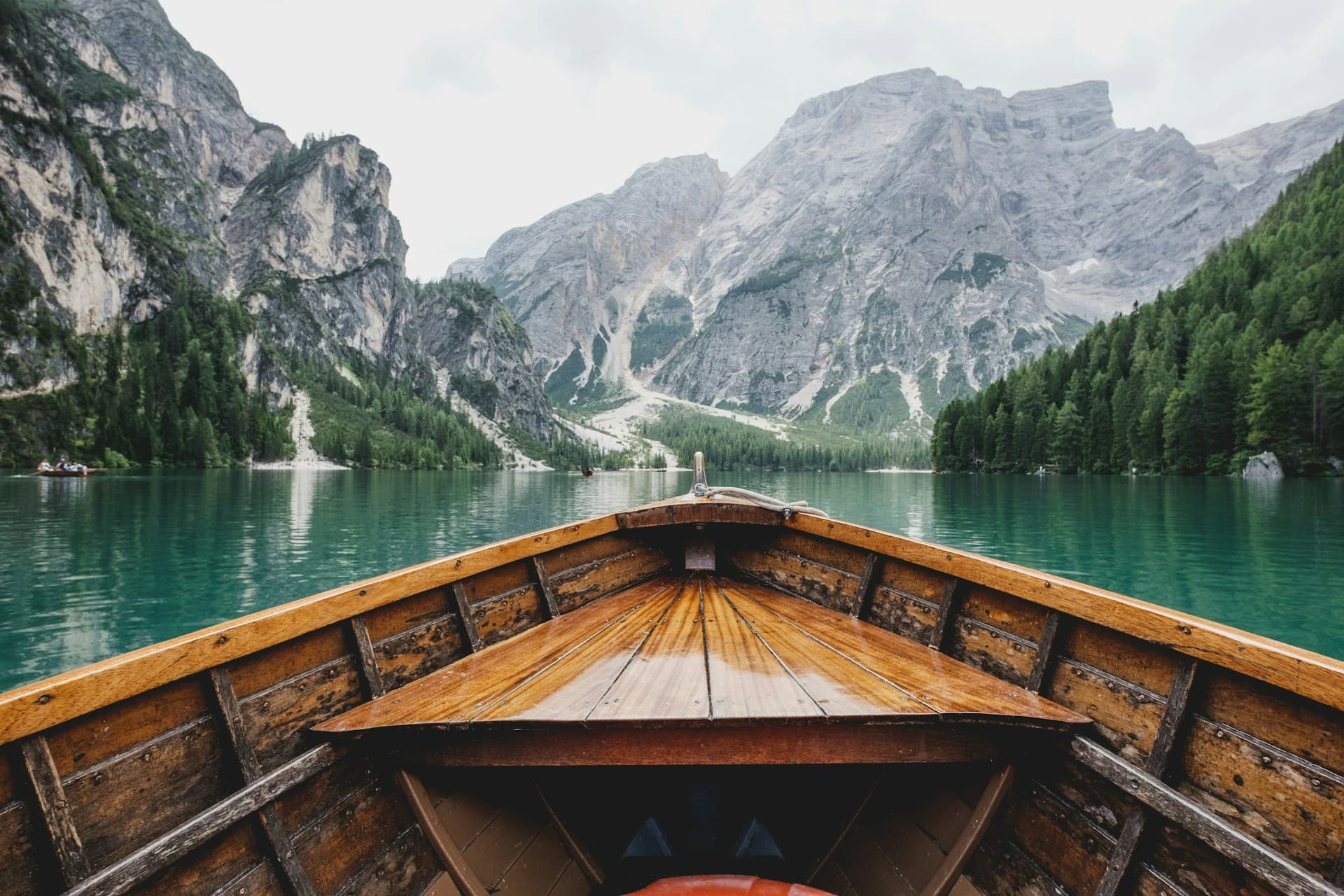

Spiritual travel is as old as travel itself. Long before anyone coined the term "tourism," people crossed deserts, climbed mountains, and walked for months to reach places they believed held sacred power. The motivations vary -- religious devotion, personal healing, a search for meaning, curiosity about contemplative traditions, or simply the desire to stand in a place where millions of others have come to reflect. What these destinations share is a quality that is difficult to quantify but immediately felt: they shift something inside you.
This guide covers 15 destinations across multiple spiritual traditions, with the practical logistics you need to actually plan a visit. These are real places with real bus schedules, entry fees, and best-visit seasons -- the transcendence is up to you.
1. Varanasi, India
Varanasi is the oldest continuously inhabited city in the world and the holiest city in Hinduism. Situated on the banks of the Ganges River, it is the place where devout Hindus come to die, believing that death in Varanasi breaks the cycle of reincarnation and grants moksha (liberation).
The Experience
The city's spiritual intensity is concentrated along the ghats -- broad stone steps leading down to the river. There are over 80 ghats, each with its own character. Dashashwamedh Ghat hosts the nightly Ganga Aarti, a fire ceremony involving large brass lamps, chanting, and incense that draws thousands of devotees and visitors. Manikarnika Ghat is the main cremation ghat, where funeral pyres burn 24 hours a day. The cremation fires have reportedly been burning continuously for over 5,000 years.
Practical Details
- Best months: October through March (cool, dry season). Avoid May-June (extreme heat) and July-September (monsoon flooding along the ghats)
- Getting there: Varanasi has an airport (VNS) with connections from Delhi, Mumbai, and Kolkata. Trains from Delhi take 8-12 hours depending on the service
- Where to stay: BrijRama Palace on Darbhanga Ghat ($150-300/night) for heritage luxury with a river view. Budget guesthouses in the lanes near the ghats cost $8-20/night
- Boat ride: An early-morning boat ride along the ghats at sunrise is essential. Private boats cost 500-1,000 INR ($6-12 USD) for 1-2 hours
- Etiquette: Do not photograph the cremation ghats without explicit permission. Remove shoes before entering temples. Dress modestly
2. Bali, Indonesia
Bali's spiritual identity is woven into daily life in a way that is visible everywhere -- from the small canang sari offerings placed on sidewalks each morning (flower baskets with incense) to the thousands of temples (pura) that dot the island. Bali practices a unique form of Hinduism blended with local animist traditions.
Sacred Sites
- Tirta Empul: A water temple where visitors participate in a purification ritual, passing through a series of fountain spouts while offering prayers. Entry: 50,000 IDR ($3.20 USD). Arrive before 9:00 AM to avoid crowds. Wear a sarong (available for rent at the entrance)
- Uluwatu Temple: A clifftop temple 70 meters above the Indian Ocean. The daily Kecak fire dance at sunset (7:00 PM, 150,000 IDR / $9.60 USD) is a hypnotic performance based on the Ramayana
- Besakih (Mother Temple): Bali's most important temple, set on the slopes of Mount Agung. A local guide is recommended to navigate the complex and the persistent touts. Budget 200,000-300,000 IDR for guide and offerings
Retreats and Healing
Ubud is the center of Bali's wellness and spiritual retreat scene. The Yoga Barn offers daily classes ($12-15 per class), multi-day retreats, and healing sessions. Fivelements ($200-400/night) is a luxury wellness retreat on the Ayung River with Balinese healing rituals, plant-based cuisine, and daily yoga.
Practical Details
- Best months: April through October (dry season)
- Daily budget: $30-80/day mid-range, $100-200+ for retreat-style travel
- Scooter rental: $5/day -- the primary way to get around Ubud and the surrounding area
3. Sedona, Arizona
Sedona is famous for its vortex sites -- locations where the Earth's energy is believed to be particularly concentrated. Whether you approach the vortexes as a spiritual seeker or a skeptic, the red rock landscapes are undeniably powerful.
Vortex Sites
- Cathedral Rock: Considered a feminine/nurturing vortex. The hike to the saddle is moderate (1.2 miles round trip, steep at the end) and the view is extraordinary
- Bell Rock: An upflow/masculine vortex. Easy to walk around the base; more challenging scramble to the top
- Airport Mesa: A combination vortex with 360-degree views. Short hike to the overlook
- Boynton Canyon: A balance vortex in a canyon setting. The full trail is 6.1 miles round trip
Practical Details
- Best months: March through May, September through November (mild temperatures, clear skies)
- Where to stay: Enchantment Resort in Boynton Canyon ($400-700/night) is the premier spiritual wellness stay. L'Auberge de Sedona ($350-600/night) is on Oak Creek. Budget hotels on the highway start at $100-150/night
- Activities: Guided vortex tours ($80-150/person), aura photography ($30-50), crystal shopping at Crystal Magic on Route 89A, stargazing (Sedona is a designated Dark Sky Community)
- Getting there: Fly to Phoenix (PHX), then drive 2 hours north on I-17. No public transport -- a rental car is essential
4. Camino de Santiago, Spain
The Camino de Santiago (Way of St. James) is a network of medieval pilgrimage routes across Europe that converge on the Cathedral of Santiago de Compostela in Galicia, northwestern Spain, where the remains of the apostle Saint James are believed to be buried. Walking the Camino is one of the world's great spiritual journeys, attracting over 400,000 pilgrims per year from every background and belief system.
Routes
- Camino Frances: The most popular route. 780 km from Saint-Jean-Pied-de-Port (France) to Santiago. Takes 30-35 days at a typical walking pace
- Camino Portugues: 620 km from Lisbon or 240 km from Porto. The Porto starting point takes 12-14 days and is increasingly popular
- Camino del Norte: The northern coastal route. 825 km along the Bay of Biscay. More challenging terrain but fewer crowds and stunning scenery
Practical Details
- Cost: Remarkably affordable. Pilgrim albergues (hostels) charge $6-15/night. A daily budget of $30-50 covers accommodation, meals, and incidentals
- Credential (Pilgrim Passport): Available at the starting point or from local Camino associations. You collect stamps (sellos) at hostels, churches, and cafes along the way. At Santiago, present your credencial to receive the Compostela (certificate of completion). You need at least the last 100 km on foot or 200 km by bicycle
- Best months: May through June and September through October. July-August is hot on the Meseta (central plateau) and very crowded
- Gear: Broken-in walking shoes/boots, a 30-40 liter backpack (aim for under 10% of your body weight), rain gear, and blister treatment supplies. Most pilgrims carry 7-9 kg total
- Community: The Camino's social dimension is as important as the spiritual one. The shared experience of walking, eating, and sleeping alongside other pilgrims from around the world creates bonds that last well beyond the trail
5. Mount Kailash, Tibet (China)
Mount Kailash (6,638 meters) is sacred to four religions -- Hinduism, Buddhism, Jainism, and Bon. No one has ever climbed to its summit (and attempts are forbidden). The spiritual practice here is the kora, a circumambulation of the mountain.
The Kora
- Distance: 52 km around the mountain
- Duration: Most pilgrims complete it in 3 days, with overnight stops at monasteries/guesthouses
- Altitude: The trek ranges from 4,600 to 5,630 meters (Dolma La pass). Serious altitude acclimatization is required -- spend at least 2-3 days acclimatizing before attempting the kora
- Devout Tibetan pilgrims sometimes complete the kora in a single day. Some do it by full-body prostration, which takes 2-3 weeks
Practical Details
- Access: Mount Kailash is in western Tibet, approximately 1,200 km from Lhasa. Access requires a Tibet Travel Permit, a Military Area Permit, and an Alien Travel Permit. These can only be obtained through a registered Chinese tour agency
- Best months: May through September (winter makes the pass extremely dangerous)
- Cost: A 15-day organized tour from Lhasa costs approximately $2,000-3,000 USD per person including permits, transport, guide, accommodation, and most meals
- Difficulty: This is a demanding high-altitude trek. Not suitable for beginners or those with altitude-related health conditions
6. Kyoto, Japan
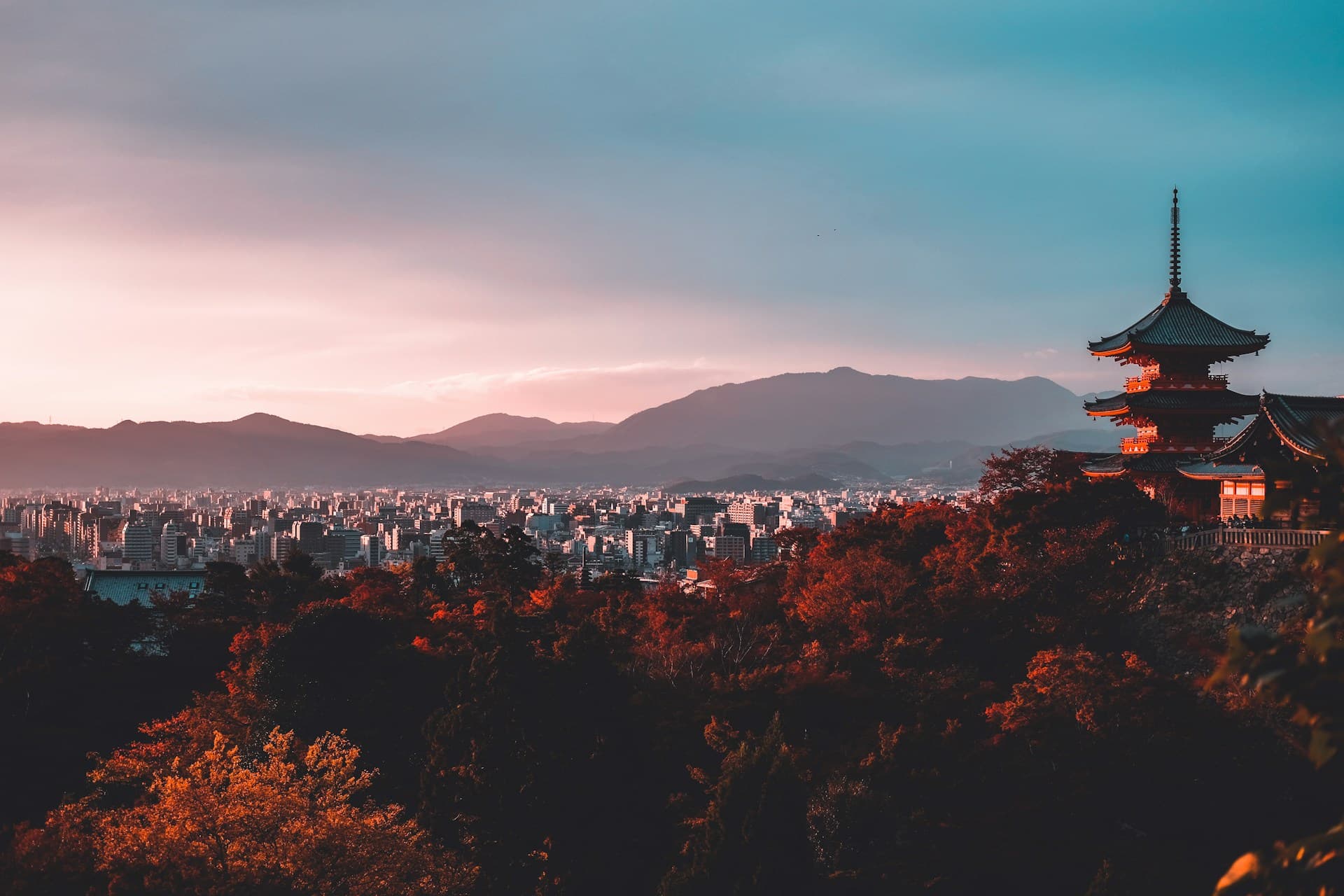
Kyoto served as Japan's imperial capital for over 1,000 years and remains the spiritual heart of Japanese Buddhism and Shintoism. The city has over 1,600 Buddhist temples and 400 Shinto shrines.
Key Spiritual Experiences
- Fushimi Inari Taisha: A Shinto shrine famous for its 10,000+ vermillion torii gates winding up Mount Inari. Free entry, open 24 hours. Walking the full circuit takes 2-3 hours. Going at dawn means near-solitude on the upper trails
- Kinkaku-ji (Golden Pavilion) and Ryoan-ji (with its enigmatic rock garden): Two Zen Buddhist temples that distill Japanese aesthetics to their essence. Entry: 500 JPY each
- Zazen (Zen meditation): Several temples offer zazen sessions for visitors. Shunkoin Temple ($30/session) conducts sessions in English. Taizo-in Temple offers meditation with garden viewing
- Koya-san (Mount Koya): A 90-minute train ride from Osaka, this mountaintop monastery complex is the headquarters of Shingon Buddhism. Stay overnight in a shukubo (temple lodging) for $80-200/night, including vegetarian shojin ryori dinner and morning prayer chanting at dawn
Practical Details
- Best months: March-April (cherry blossoms), October-November (autumn foliage), January-February (winter contemplation with fewer tourists)
- Getting there: Shinkansen from Tokyo (2 hours 15 minutes)
- Where to stay: Machiya (traditional townhouse) stays from $80-200/night on Machiya Residence Inn or similar platforms
7. Bhutan
Bhutan, the last Himalayan Buddhist kingdom, measures national success by Gross National Happiness rather than GDP. The country remained largely closed to outsiders until the 1970s and continues to limit tourism through a Sustainable Development Fee (SDF) of $100 per person per day (reduced from $200 in 2023).
Key Experiences
- Tiger's Nest (Paro Taktsang): A monastery clinging to a cliff face at 3,120 meters. The hike is 5-6 hours round trip and is the single most iconic image of Bhutan
- Punakha Dzong: A 17th-century fortress-monastery at the confluence of two rivers. Considered the most beautiful dzong in Bhutan
- Archery: The national sport, practiced in every village. Watching a local match is a window into Bhutanese culture
- Festivals (Tshechu): Religious festivals held at dzongs and monasteries throughout the year featuring masked dances. The Paro and Thimphu festivals are the most accessible
Practical Details
- Cost: The $100/day SDF is in addition to tour costs. A typical 7-day guided tour costs $2,000-3,500 including SDF, accommodation, meals, guide, transport, and entry fees
- Getting there: Fly to Paro (PBH) on Druk Air or Bhutan Airlines from Bangkok, Delhi, Kathmandu, or Singapore. The approach through the Himalayan valleys is considered one of the world's most dramatic airport landings
- Best months: March through May, September through November
8. Jerusalem, Israel
Jerusalem is sacred to three Abrahamic faiths -- Judaism, Christianity, and Islam. The Old City, covering just 0.9 square kilometers, contains the Western Wall, the Church of the Holy Sepulchre, and the Al-Aqsa Mosque/Dome of the Rock, all within walking distance of each other.
Key Sites
- Western Wall (Kotel): The holiest site in Judaism, the remaining retaining wall of the Second Temple. Open 24/7, free. Men and women pray in separate sections. Writing a prayer on a small paper and placing it in the wall's crevices is a common practice
- Church of the Holy Sepulchre: The site where Christians believe Jesus was crucified, buried, and resurrected. Shared by six Christian denominations. Free entry. The line to enter the Edicule (the tomb) can be 1-3 hours during peak season
- Temple Mount/Haram al-Sharif: The Dome of the Rock and Al-Aqsa Mosque. Non-Muslims can visit the compound (but not enter the mosques) during limited hours: typically Sunday-Thursday, 7:30-10:30 AM and 12:30-1:30 PM. Access through the Mughrabi Gate near the Western Wall. Free entry but expect security screening
- Via Dolorosa: The route Jesus is believed to have walked carrying the cross. 14 Stations of the Cross through the Old City streets
Practical Details
- Best months: March through May, September through November (mild weather, moderate crowds)
- Where to stay: American Colony Hotel in East Jerusalem ($250-400/night) is the classic choice. Hostels in the Old City from $25-40/night
- Getting there: Fly to Ben Gurion Airport (TLV), then bus or shared shuttle to Jerusalem (1 hour)
- Note: The security and political situation can affect travel plans. Check your government's travel advisory before visiting
9. Rishikesh, India
Rishikesh, set along the Ganges River where it emerges from the Himalayan foothills, is considered the "Yoga Capital of the World." The Beatles famously visited Maharishi Mahesh Yogi's ashram here in 1968, putting Rishikesh on the global spiritual map.
Experiences
- Yoga and meditation: Dozens of ashrams and yoga schools offer everything from drop-in classes ($5-10) to month-long 200-hour Yoga Teacher Training programs ($800-2,500 including accommodation and meals). Parmarth Niketan and Sivananda Ashram are among the most established
- Ganga Aarti at Triveni Ghat: A nightly fire ceremony similar to (but smaller than) Varanasi's, with the backdrop of forested hills
- Laxman Jhula and Ram Jhula: Suspension bridges across the Ganges that connect the two sides of town. Temples, cafes, and ashrams line both banks
- Beatles Ashram: The now-abandoned Maharishi ashram (officially Chaurasi Kutia) is a haunting, graffiti-covered ruin that has been turned into a ticketed attraction (600 INR)
Practical Details
- Best months: September through November, February through April. Winter (December-January) is cold; summer (May-June) is hot; monsoon (July-August) is wet
- Getting there: Fly to Dehradun (DED), then a 1-hour taxi. Or train to Haridwar, then a 30-minute taxi
- Accommodation: Ashram stays can be as cheap as $5-15/night (basic room, vegetarian meals included). Mid-range options like Aloha on the Ganges run $50-100/night
- Food: Rishikesh is a vegetarian city (no meat or eggs served in most establishments). The food is simple and excellent
10. Machu Picchu, Peru
Machu Picchu's spiritual significance predates its "discovery" by Western archaeology. The Inca built this citadel in the 15th century as a royal estate and ceremonial center, aligned with astronomical events and surrounded by the sacred geography of the Andes.
The Experience
- The Intihuatana Stone: A carved rock believed to function as an astronomical calendar and ritual stone. Its name translates roughly as "hitching post of the sun"
- Temple of the Sun: An enclosure with windows precisely aligned to the solstices
- Sunrise: Arriving for the earliest entry (6:00 AM) means watching the sun illuminate the ruins as mist lifts from the valley below. This is the spiritual highlight for most visitors
Practical Details
- Entry: Tickets must be purchased in advance through the official website (machupicchu.gob.pe). Entry is timed and limited to approximately 4,500 visitors per day across multiple circuits. Cost: 152 PEN ($40 USD) for foreign adults
- Getting there: Train from Cusco or Ollantaytambo to Aguas Calientes (the town below Machu Picchu), then bus up the switchback road. PeruRail and Inca Rail operate the route. Round-trip train tickets: $70-150 USD. Bus: $24 USD round trip
- Inca Trail: The classic 4-day trek to Machu Picchu through Andean passes and cloud forest. Limited to 500 people per day (including guides and porters). Must be booked through a licensed operator 3-6 months in advance. Cost: $600-800 USD for a standard group trek
- Altitude: Cusco sits at 3,400 meters. Spend at least 2 days acclimatizing before attempting any strenuous activity
11. Bodh Gaya, India
Bodh Gaya is where Siddhartha Gautama attained enlightenment under the Bodhi tree and became the Buddha, approximately 2,500 years ago. The Mahabodhi Temple, a UNESCO World Heritage Site, marks the spot and is the most important pilgrimage destination in Buddhism.
- Key sites: The Mahabodhi Temple (free entry), the descendant Bodhi tree, the diamond throne (Vajrasana) where the Buddha sat, and monasteries built by Buddhist communities from Thailand, Japan, Tibet, Myanmar, and other countries
- Meditation: Multi-day silent meditation retreats are available through the Root Institute for Wisdom Culture and other centers. Vipassana meditation courses (10-day silent retreats, donation-based) are offered at the Dhamma Bodhi Vipassana Centre
- Best months: October through March
- Getting there: Fly to Gaya airport (GAY) from Delhi or Kolkata, then 30-minute taxi to Bodh Gaya
- Budget: Very affordable. Basic guesthouses from $5-15/night. Meals for $2-5
12. Lourdes, France
Lourdes became one of the world's great Catholic pilgrimage sites after 14-year-old Bernadette Soubirous reported 18 visions of the Virgin Mary in 1858 at the Grotto of Massabielle. Today, approximately 6 million pilgrims visit annually, many seeking healing.
- Key experiences: The Grotto (free, open 24/7), the Basilica of the Immaculate Conception, the candlelight procession (nightly at 9:00 PM from Easter through October), and the baths (free, expect a 1-3 hour wait)
- Best months: April through October (the Sanctuary's main season)
- Getting there: Fly to Tarbes-Lourdes-Pyrenees airport (LDE) or take a TGV from Paris (5.5 hours)
- Where to stay: Lourdes has over 200 hotels -- more per capita than anywhere in France except Paris. Budget: $40-80/night
13. Uluru, Australia
Uluru (Ayers Rock) is a sacred site for the Anangu Aboriginal people, who have inhabited the area for over 30,000 years. The monolith rises 348 meters from the desert floor and changes color dramatically at sunrise and sunset.
- Climbing: Climbing Uluru was permanently banned in October 2019 out of respect for Anangu wishes. The ban is widely supported
- Experiences: The base walk (10.6 km, 3-4 hours) passes caves with ancient rock art. Ranger-led walks explain Anangu Dreamtime stories and the site's cultural significance. Sunrise and sunset viewing areas are marked
- Kata Tjuta (The Olgas): A group of 36 domed rock formations 25 km from Uluru. The Valley of the Winds walk (7.4 km, 3-4 hours) is a spiritual experience in its own right
- Cost: Uluru-Kata Tjuta National Park entry is $38 AUD ($25 USD) for a 3-day pass
- Getting there: Fly to Ayers Rock Airport (AYQ) from Sydney, Melbourne, or Alice Springs
- Where to stay: Sails in the Desert ($250-450/night) at Ayers Rock Resort, or the Outback Pioneer Hotel ($100-150/night) for budget
14. Glastonbury, England
Glastonbury is a small town in Somerset steeped in myth, legend, and alternative spirituality. It is said to be the site of the Isle of Avalon from Arthurian legend, and the Glastonbury Tor (a conical hill topped by a medieval tower) has been a site of pilgrimage and spiritual significance for thousands of years.
- Key sites: Glastonbury Tor (free, open access, 30-minute steep walk to the top), Glastonbury Abbey ruins (said to contain the burial site of King Arthur, entry $10 GBP), the Chalice Well and Gardens (entry $6 GBP) with its iron-rich "red spring" water
- Character: The town is a hub of alternative culture -- crystal shops, tarot readers, goddess temples, and holistic healing practitioners line the high street. It draws pagans, Wiccans, Druids, New Age practitioners, and the simply curious
- Getting there: 2.5 hours by car from London, or train to Castle Cary station (1.5 hours from London Paddington), then bus
- Best months: May through September. The summer solstice (June 20-21) draws large gatherings at the Tor
15. Tulum, Mexico
Tulum's spiritual dimension blends ancient Maya sacred sites with a modern wellness culture that has made it one of the world's most popular centers for yoga, sound healing, breathwork, and plant medicine ceremonies.
Ancient and Modern
- Tulum Ruins: A walled Maya city on a cliff above the Caribbean Sea. Entry: $85 MXN ($5 USD). The Temple of the Descending God and the Castillo are the main structures. Arrive at 8:00 AM opening to avoid the bus-tour crowds
- Coba: A larger, less-visited Maya site in the jungle, 45 minutes from Tulum. You can still climb the Nohoch Mul pyramid (42 meters). Entry: $80 MXN
- Cenotes: Natural sinkholes that the Maya considered sacred entrances to the underworld (Xibalba). Gran Cenote ($500 MXN), Cenote Dos Ojos ($400 MXN), and Cenote Suytun ($300 MXN) are the most popular for swimming and snorkeling
Wellness and Retreats
The Tulum hotel zone and beach road host dozens of yoga studios, sound healing sessions, cacao ceremonies, and temazcal (traditional sweat lodge) experiences. Holistika offers daily yoga, meditation, and workshops. Tulum Temazcal runs traditional ceremonies led by Maya healers ($40-80 per session). Quality varies enormously -- research providers carefully and be cautious of unregulated plant medicine ceremonies.
Practical Details
- Best months: November through April
- Getting there: Fly to Cancun (CUN), then 2-hour drive or bus ($15-20 via ADO)
- Where to stay: Beachfront eco-hotels from $100-300/night (Ahau Tulum, Nomade Tulum). Town-side hotels from $30-80/night
- Budget note: Tulum's beach zone has become significantly more expensive in recent years. For a more authentic and affordable experience, stay in Tulum town (pueblo) and bike to the beach (15 minutes)
Plan Your Spiritual Journey with TripGenie
Spiritual travel often involves destinations with complex logistics -- remote monasteries, trekking routes, permit requirements, and seasonal availability. TripGenie can help you build an itinerary that handles the practical details while leaving space for the contemplative purpose of your journey, whether that is a week-long Camino de Santiago segment, a Varanasi pilgrimage, or a Bali retreat.
Final Thoughts
Spiritual travel does not require you to subscribe to any particular belief system. What it does require is a willingness to be present -- to slow down, to notice, to sit in silence when silence is offered. The 15 destinations in this guide span five continents, dozens of traditions, and thousands of years of human seeking. They share one thing: each of them has the capacity to make you stop and pay attention. In a world engineered to distract, that is no small gift.
Topics

Written by
TripGenie Team
The TripGenie team is passionate about making travel planning effortless with AI. We combine travel expertise with cutting-edge technology to help you explore the world.
@tripgenieGet Travel Tips Delivered Weekly
Get our best travel tips, destination guides, and exclusive deals delivered straight to your inbox every week.
No spam, ever. Unsubscribe anytime.