
Iceland is a destination that completely transforms between summer and winter. The same country that offers 24 hours of daylight in June plunges into 20 hours of darkness in December. The landscapes that shimmer with green valleys and thundering waterfalls in July are encased in ice and lit by the aurora borealis in January.
Neither season is objectively "better" — they offer fundamentally different experiences. This guide compares both in detail so you can choose the Iceland trip that matches your priorities.
The Two Seasons at a Glance
| Factor | Summer (Jun-Aug) | Winter (Sep-Mar) |
|---|---|---|
| Daylight | 18-24 hours | 4-7 hours (Dec-Jan) |
| Temperature | 10-15C | -5 to 3C |
| Northern lights | Not visible | Peak viewing Sep-Mar |
| Midnight sun | Late Jun | Not applicable |
| Ring Road | Fully accessible | Partially accessible |
| Ice caves | Closed (melting) | Open Nov-Mar |
| Puffins | May-Aug | Not present |
| Whale watching | Jun-Aug best | Year-round (fewer species) |
| F-roads (highlands) | Open Jul-Sep | Closed |
| Accommodation cost | Peak pricing | 20-40% cheaper (except holidays) |
Summer in Iceland (June-August)
The Midnight Sun Experience
Iceland's most defining summer feature is the midnight sun. In late June, the sun barely dips below the horizon before rising again, creating a golden-hour glow that lasts for hours. In Reykjavik, sunset on June 21 is around 12:03 AM and sunrise is at 2:55 AM — and it never truly gets dark.
What this means practically:
- You can hike, drive, and photograph at any hour. Some of Iceland's most magical moments happen at 11 PM in golden light with no one around.
- Sleep can be challenging without blackout curtains. Most hotels provide them, but check in advance. Bring a sleep mask.
- You will have an urge to keep going because it never gets dark. Pace yourself — exhaustion catches up.
What Summer Offers
Full Ring Road access: The 1,322 km Ring Road (Route 1) that circles Iceland is fully accessible in summer, including the less-visited East Fjords and the north. This is the time for the classic 10-14 day circumnavigation.
Highland F-roads: Iceland's interior highlands — the Landmannalaugar painted mountains, the Askja caldera, and the Thorsmork valley — are only accessible via F-roads that open in late June or July. These require a 4x4 vehicle with river-crossing capability. The highlands are some of Iceland's most spectacular and least-visited landscapes.
Puffins: Atlantic puffins nest in Iceland from roughly May to mid-August. The Westman Islands (Vestmannaeyjar), Latrabjarg cliffs in the Westfjords, and Borgarfjordur Eystri in the east are the best viewing spots. Puffin colonies are one of Iceland's most charming wildlife encounters — the birds are comically endearing.
Whale watching: Summer is peak whale watching season. Husavik, the "whale watching capital of Europe," offers the best odds of seeing humpback whales, minke whales, and occasionally blue whales. Boat tours run multiple times daily from June through August.
Lupins in bloom: Controversial among Icelanders (they are an introduced species), the purple and blue lupins that blanket the landscape in June and July are undeniably photogenic.
Festivals: Iceland Airwaves music festival has moved to autumn, but summer brings the Secret Solstice festival, the Reykjavik Arts Festival, and numerous smaller local events.
Summer Drawbacks
- No northern lights. There is simply too much daylight for the aurora to be visible from May through mid-August.
- No ice caves. Natural ice caves inside glaciers melt and become unstable in summer. The Katla ice cave may remain accessible, but the famous crystal blue caves in Vatnajokull are winter-only.
- Higher prices. Accommodation can be 40-60% more expensive than winter. A basic hotel room in Reykjavik runs ISK 25,000-45,000/night (roughly EUR 160-300) in peak summer.
- Crowds. Iceland's tourism has grown enormously. The Golden Circle (Thingvellir, Geysir, Gullfoss) and the south coast (Seljalandsfoss, Skogafoss, Vik) can feel crowded in July and August.
- Midges. Lake Myvatn in the north earns its name — "midge lake" — in summer. The swarms are annoying but harmless. Bring a head net.
Best Summer Itineraries
7 days — South Coast and Golden Circle:
Reykjavik - Golden Circle - South Coast (Seljalandsfoss, Skogafoss, Vik, Jokulsarlon) - Reykjavik
10-14 days — Full Ring Road:
Reykjavik - Golden Circle - South Coast - East Fjords - Myvatn/Akureyri - Snaefellsnes - Reykjavik
7-10 days — Highlands Adventure (July-August only):
Reykjavik - Landmannalaugar - Thorsmork - Laugavegur Trail (4 days hiking) - South Coast - Reykjavik
Winter in Iceland (September-March)
The Northern Lights
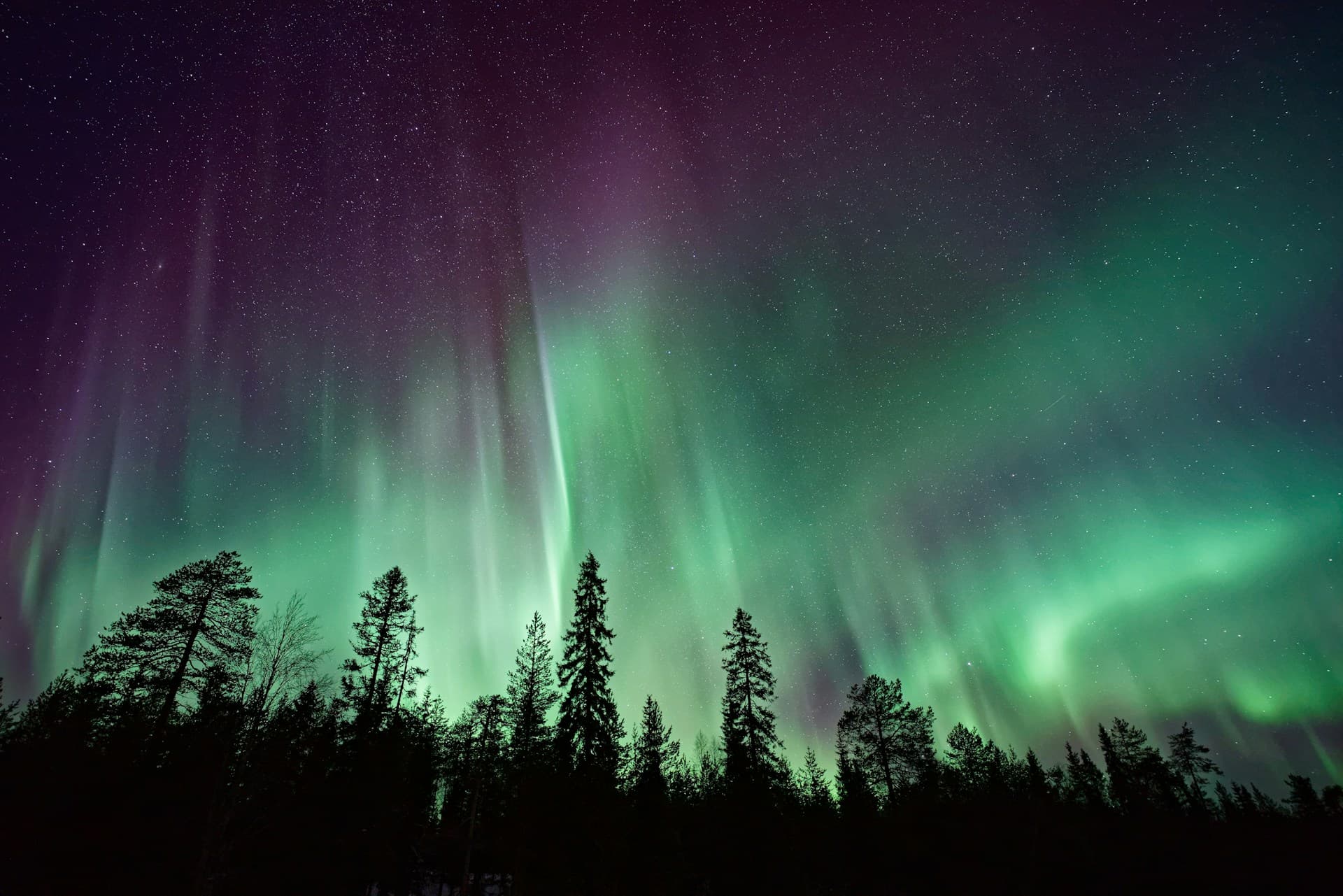
The aurora borealis is the headline attraction of winter Iceland, and it is genuinely one of nature's most spectacular phenomena. Green, purple, and pink curtains of light ripple across the sky in a display that no photograph fully captures.
Northern lights practical guide:
- Season: September through March, with peak darkness (and therefore peak viewing) from November to February.
- Conditions needed: Clear skies, darkness, and solar activity. Check the Icelandic Met Office aurora forecast (vedur.is) and cloud cover maps daily.
- Where to see them: Away from Reykjavik's light pollution. Drive 20-30 minutes outside the city, or visit rural areas. The north of Iceland often has clearer skies than the south.
- Tours vs. self-drive: Guided tours include an expert who reads conditions and knows clear-sky locations. Self-driving offers flexibility — you can chase clear skies at your own pace. Both work.
- Manage expectations. The northern lights are not guaranteed on any given night. Plan a trip of at least 4-5 nights to give yourself multiple chances. Some visitors see them on their first night; others have clear skies and strong displays throughout the week.
Photography tips for the aurora:
- Use a tripod (essential for long exposures)
- Wide-angle lens, f/2.8 or wider
- ISO 1600-3200, 10-25 second exposures
- Manual focus set to infinity
- Bring spare batteries — cold drains them fast
Ice Caves
Natural ice caves inside Vatnajokull glacier are one of Iceland's most extraordinary experiences. The caves form each autumn as meltwater channels freeze, creating caverns of sculpted blue ice that glow when sunlight filters through.
What to know:
- Season: November through March. Each year's caves are different because they are naturally formed.
- Access: Only with certified guides. Tours depart from Jokulsarlon glacier lagoon area. Book well in advance — they sell out weeks ahead.
- Cost: ISK 20,000-30,000 (EUR 130-200) per person for a 3-4 hour tour.
- The crystal blue caves in Breidamerkurjokull are the most famous, but Katla ice cave near Vik is accessible for a longer season.
- Conditions vary dramatically. Some years produce stunning blue caves; other years, the caves are smaller or less photogenic. Nature dictates.
What Winter Offers
Dramatic landscapes: Iceland in winter is stark, moody, and hauntingly beautiful. Waterfalls freeze into ice sculptures. Black sand beaches are pounded by North Atlantic storms. Snow-covered lava fields stretch to the horizon under skies that cycle through pink, orange, and deep blue in the few hours of daylight.
Hot springs: Iceland's geothermal hot springs are even more magical in winter. Soaking in 38-40C water while snow falls around you is an unforgettable experience. Beyond the famous Blue Lagoon (book weeks ahead), try the Sky Lagoon near Reykjavik, the Myvatn Nature Baths in the north, or hidden wild hot springs like Reykjadalur.
Fewer tourists: Outside the Christmas/New Year period, winter Iceland is significantly quieter than summer. Popular sights like Gullfoss and Jokulsarlon feel more personal.
Lower accommodation prices: Except for the holiday period (December 20-January 5), winter hotels are 20-40% cheaper than summer equivalents.
The Snaefellsnes Peninsula is spectacular in winter — the Kirkjufell mountain capped in snow with aurora overhead is one of Iceland's most iconic photographs.
Winter Drawbacks
- Limited daylight. In December, Reykjavik gets about 4-5 hours of "daylight," and even that is more like extended twilight. This limits how much you can see and do per day.
- Road closures. The Ring Road's northern and eastern sections may close without notice due to storms. The East Fjords and Westfjords are often impassable. Realistically, winter travel is limited to the south coast and the Golden Circle for most visitors.
- Dangerous driving conditions. Black ice, sudden storms, strong winds, and zero visibility are real hazards. A 4x4 with good winter tires is essential. Check road.is before every drive.
- No puffins. They leave by mid-August and do not return until May.
- No highland access. F-roads close in September or October and do not reopen until June or July.
Best Winter Itineraries
5-7 days — South Coast and Northern Lights:
Reykjavik - Golden Circle - South Coast - Jokulsarlon/Ice Cave - Vik - Reykjavik (with nightly aurora hunting)
3-4 days — Quick Reykjavik Getaway:
Reykjavik - Golden Circle day trip - South Coast day trip - Blue Lagoon/Sky Lagoon
7-10 days — Extended Winter (for experienced winter drivers):
Reykjavik - Snaefellsnes - Akureyri (domestic flight) - Myvatn - South Coast - Jokulsarlon - Reykjavik
The Shoulder Months
September
September is many experienced Iceland travelers' favorite month. The northern lights season begins, autumn colors paint the landscape in reds and golds, the Ring Road is still fully open, and summer's crowds have departed. Days are still 12-13 hours long. The downside is unpredictable weather — it can swing from sunny to stormy within hours.
October
Northern lights viewing improves as nights lengthen. Highland roads close. Weather becomes more volatile but the landscape is dramatic. A good month for the south coast and northern lights combination.
April-May
Spring brings lengthening days, migrating birds (including puffins from late April), and melting ice. The highland roads remain closed, but the Ring Road is generally passable. April can be snowy; May is more reliable. Northern lights are still occasionally visible in early April.
Budget Comparison
Iceland is expensive in any season, but the difference between summer and winter is meaningful.
| Expense | Summer (Jun-Aug) | Winter (Nov-Feb) |
|---|---|---|
| Budget hotel/guesthouse | ISK 25,000-45,000/night | ISK 15,000-30,000/night |
| Rental car (basic) | ISK 10,000-18,000/day | ISK 6,000-12,000/day |
| Rental car (4x4) | ISK 18,000-30,000/day | ISK 12,000-20,000/day |
| Golden Circle tour | ISK 10,000-15,000 | ISK 8,000-12,000 |
| Ice cave tour | Not available | ISK 20,000-30,000 |
| Whale watching | ISK 12,000-15,000 | ISK 10,000-13,000 |
| Restaurant dinner | ISK 4,000-8,000 | ISK 4,000-8,000 |
Budget-saving tips year-round:
- Buy groceries at Bonus (the cheapest supermarket, marked with a pink pig logo)
- Bring a refillable water bottle — tap water is excellent
- Cook meals in guesthouse kitchens or campervans
- Skip the Blue Lagoon (ISK 12,000+) and visit free or cheaper hot springs instead
- Buy alcohol at the duty-free shop at Keflavik airport on arrival
Essential Practical Tips
Driving in Iceland
- Summer: Standard 2WD is fine for the Ring Road and most paved roads. 4x4 required for F-roads and some gravel roads.
- Winter: 4x4 with winter tires is essential, even on main roads. Insurance that covers gravel and ash damage is strongly recommended.
- Check road.is before every drive for road conditions and closures.
- Never drive off-road. Iceland's fragile moss and vegetation takes decades to recover. Off-road driving is illegal and heavily fined.
What to Pack
Both seasons:
- Waterproof outer layer (jacket and pants)
- Layers (base layer, fleece, outer shell)
- Waterproof hiking boots
- Swimsuit (for hot springs)
- Windproof hat and gloves
Summer additions:
- Sunglasses and sunscreen (yes, even in Iceland — long daylight hours mean significant UV exposure)
- Sleep mask
- Bug repellent for the Lake Myvatn area
Winter additions:
- Thermal base layers
- Heavy-duty warm layers
- Hand and toe warmers
- Headlamp (essential in limited daylight)
- Camera tripod for aurora photography
The Verdict
Choose summer if: You want to drive the full Ring Road, see puffins, visit the highlands, experience the midnight sun, go whale watching, or tackle serious hiking. You are comfortable with higher prices and more tourists.
Choose winter if: Northern lights are your priority, you want to explore ice caves, you prefer dramatic moody landscapes, you want fewer crowds and lower prices, and you are comfortable with limited daylight and potentially challenging driving conditions.
Choose September if: You want the best of both worlds — aurora visibility, autumn colors, full Ring Road access, and fewer crowds than summer peak.
No matter which season you choose, Iceland will deliver landscapes and experiences unlike anywhere else on Earth. The country is small enough that even a short trip covers extraordinary ground — and large enough in its impact that you will almost certainly start planning your return before you leave.
Topics

Written by
TripGenie Team
The TripGenie team is passionate about making travel planning effortless with AI. We combine travel expertise with cutting-edge technology to help you explore the world.
@tripgenieGet Travel Tips Delivered Weekly
Get our best travel tips, destination guides, and exclusive deals delivered straight to your inbox every week.
No spam, ever. Unsubscribe anytime.