
Mexico Is Not One Destination -- It Is Dozens
Mexico spans nearly two million square kilometers, crosses multiple climate zones, and ranges from sea-level beaches to 5,000-meter volcanic peaks. Treating it as a single destination with one "best time to visit" would be like saying there is one best time to visit all of Western Europe. The answer depends entirely on where you are going and what you want to do.
The Yucatan Peninsula has its own weather patterns. The Pacific coast follows a different calendar. Mexico City sits at 2,240 meters of elevation and has a climate completely unlike either coast. Baja California is a desert peninsula with whale-watching seasons. Oaxaca has a distinct dry season that aligns with its most important cultural events.
This guide breaks Mexico into its key travel regions and gives you the specific seasonal intel for each one.
Mexico's Key Travel Regions and Their Climates
Caribbean Coast (Cancun, Playa del Carmen, Tulum, Riviera Maya)
Tropical with two seasons: dry (November through April) and wet (May through October). Temperatures stay in the 25-35 degrees Celsius range year-round, so the main variable is rainfall and hurricanes, not temperature.
- Dry Season: Sunny, low humidity, warm but comfortable. Peak tourist season.
- Wet Season: Daily afternoon thunderstorms (usually brief), higher humidity, and hurricane risk from June through November, with peak hurricane season from August through October.
Pacific Coast (Puerto Vallarta, Sayulita, Huatulco, Zihuatanejo)
Similar tropical pattern but with less hurricane exposure than the Caribbean. The wet season brings afternoon rain and lush green landscapes. The dry season is sunny and warm.
- Dry Season: November through May. December through March is peak tourist season.
- Wet Season: June through October. More rain than the Caribbean coast, especially August and September.
Mexico City and Central Highlands
Thanks to its elevation (2,240 meters), Mexico City has a spring-like climate year-round. Summers are warm with daily afternoon rain (June through September). Winters are dry and mild, with cool mornings and pleasant afternoons.
- Average temperatures: 8-25 degrees Celsius year-round. The range is remarkably consistent.
- Rainy season: June through September. Afternoon thunderstorms are almost daily but rarely last more than an hour or two.
- Dry season: October through May. Clear blue skies and comfortable temperatures.
Oaxaca
Similar to Mexico City but lower elevation (1,550 meters) and warmer. The dry season (October through May) is the prime travel window, coinciding with the region's major cultural events.
Baja California (Cabo San Lucas, La Paz, Todos Santos)
Desert climate. Hot summers (35-40 degrees Celsius in Cabo), mild winters (20-28 degrees Celsius). Very little rainfall year-round, though the rare hurricane can bring dramatic downpours in September and October. Whale watching season runs December through April.
Chiapas (San Cristobal de las Casas, Palenque)
Highland and jungle climate. San Cristobal sits at 2,200 meters and is cool and pleasant in the dry season (November through April). Palenque, in the lowland jungle, is hot and humid year-round.
Month-by-Month Guide
January and February
Weather: Dry season across Mexico. Caribbean coast is warm and sunny (26-30 degrees Celsius). Mexico City is mild and clear (10-22 degrees Celsius). Baja is cool but sunny (18-25 degrees Celsius in Cabo).
Highlights:
- Whale Watching in Baja: Gray whales arrive in the lagoons of Baja California Sur, particularly Magdalena Bay, Guerrero Negro, and Ojo de Liebre. January through mid-March is prime viewing season. A whale-watching tour from Cabo costs $150-200 USD per person. From La Paz, tours to Espiritu Santo Island combine whale sharks (snorkeling with juvenile whale sharks is a bucket-list experience, tours $150-180 USD) with sea lion colonies.
- Cancun and Riviera Maya: Peak season. Hotels are at maximum pricing. Beaches are packed with American and Canadian winter escapees.
- Mexico City: Comfortable weather for walking the city. The Centro Historico, Chapultepec Park, and Coyoacan are all pleasant.
Costs: Peak pricing on the Caribbean and Pacific coasts. Cancun resort hotels run $200-500+ per night. Mexico City remains a relative bargain year-round (good hotels $80-150 per night).
March and April (Semana Santa)
Weather: Continued dry season. Temperatures begin to climb. Caribbean coast hits 28-32 degrees Celsius. Mexico City warms to 14-26 degrees Celsius.
Critical Event -- Semana Santa (Holy Week): The week leading up to Easter is Mexico's most important domestic travel period. Schools close, businesses shut down, and millions of Mexicans head to the beaches. Cancun, Puerto Vallarta, Acapulco, and Huatulco are absolutely packed. Hotel prices double or triple. If you are a foreign visitor planning a beach trip, avoid Semana Santa unless you specifically want to experience the festive atmosphere.
- When is Semana Santa? It varies yearly based on Easter's date. Check the calendar for your travel year.
- Mexico City during Semana Santa: Actually quieter than usual, as residents leave for the coast. It can be an excellent time to explore the capital without normal traffic and crowds.
Spring Break: American university spring break (March) also drives crowds and prices up in Cancun and Los Cabos.
May
Weather: Transitional. Humidity increases on both coasts. Temperatures peak in many regions. Mexico City reaches its warmest (15-28 degrees Celsius) with the first serious rain showers. Caribbean coast is hot (30-33 degrees Celsius) but not yet in hurricane season.
Costs: A sweet spot for value. Peak season has ended, hurricane season has not fully started. Hotels across the Caribbean and Pacific coasts drop 30-50% from peak. This is the time to book a luxury resort at mid-range prices.
June through August: Summer and Hurricane Season
Weather: The wet season is fully established across Mexico. Afternoon rain is virtually guaranteed on both coasts and in Mexico City. Humidity is high everywhere except Baja.
Hurricane Season: Officially June 1 through November 30. The highest-risk period for the Caribbean coast (Cancun, Riviera Maya) is August through October. The Pacific coast faces its own hurricane risk, with Cabo San Lucas most exposed in September and October.
Should You Avoid Mexico in Summer?
Not necessarily. Here is the nuance:
- Mexico City: Summer is actually wonderful. The rain keeps temperatures comfortable, the city is green and lush, and the cultural calendar is full. The afternoon storms are brief -- plan outdoor activities for the morning, and move indoors for the afternoon downpour.
- Oaxaca: The Guelaguetza festival in late July is one of Mexico's most spectacular cultural events (more on this below).
- Cancun/Riviera Maya: If you accept the hurricane risk and the daily rain, prices are at their lowest. Many travelers book refundable reservations and monitor weather forecasts.
- Baja: Summer in Cabo is extremely hot (38-42 degrees Celsius) and not ideal for outdoor activities beyond the beach and pool.
Costs: Low season on the coasts. Cancun resorts drop to $80-150 per night for properties that charge $300+ in winter.
September and October
Weather: Peak hurricane risk on the Caribbean coast. September is statistically the most dangerous month. Rain continues across Mexico. October sees conditions gradually improve.
Cancun Warning: While major hurricanes hitting Cancun directly are statistically rare in any given year, the risk is real. Travel insurance with hurricane coverage is essential if visiting the Caribbean coast from August through October.
Mexico City in September: Independence Day celebrations on September 15-16. The Grito de Independencia ceremony in the Zocalo on the night of September 15 is an unforgettable experience, with the president reenacting the historic cry for independence before enormous crowds.
November: The Golden Month
Weather: The rains taper off across Mexico. Hurricane season winds down. Temperatures moderate. November might be the single best month for a multi-region Mexico trip.
Day of the Dead (Dia de los Muertos, November 1-2): Mexico's most iconic cultural event. While observed nationwide, the best places to experience it are:
- Oaxaca City: Arguably the best Day of the Dead destination. Cemeteries are decorated with marigolds, candles, and offerings. Comparsas (parades) wind through the streets. Markets sell pan de muerto, chocolate, and mole. Hotels sell out 2-3 months in advance.
- Patzcuaro and Janitzio Island, Michoacan: Indigenous Purepecha communities hold all-night vigils in their cemeteries. The island of Janitzio in Lake Patzcuaro is famous for its candlelit cemetery ceremony. Arrive early -- boat access to Janitzio is limited.
- Mexico City: The massive Mega Desfile (Grand Parade) runs along Paseo de la Reforma. Inspired partly by the opening scene of the James Bond film Spectre, it has become a major event since 2016. Ofrendas (altars) are displayed throughout the city.
- Mixquic (near Mexico City): A pueblo with one of the most authentic cemetery vigil traditions. Extremely crowded but deeply moving.
Costs: Moderate. Post-hurricane-season, pre-Christmas. Hotels are reasonably priced except in Day of the Dead destinations during the event.
December
Weather: Dry season established across Mexico. Caribbean coast is sunny and warm (24-30 degrees Celsius). Mexico City is dry and cool (6-22 degrees Celsius). Baja is pleasant (18-26 degrees Celsius).
Holiday Season: Christmas and New Year drive prices to annual maximums on the coasts. Cancun, Cabo, and Puerto Vallarta are packed with international visitors. Mexico City celebrates with posadas (pre-Christmas processions), piatas, and festive markets.
Costs: December 15 through January 5 is the most expensive window of the year for beach destinations.
Cenote Conditions by Season
Cenotes -- the natural sinkholes filled with crystal-clear groundwater -- are a highlight of the Yucatan Peninsula. Season affects your cenote experience:
- Dry Season (November-April): Water clarity is at its best. Water temperature is a refreshing 24-25 degrees Celsius year-round (cenotes maintain consistent temperatures). More visitors during this period.
- Wet Season (May-October): Rain can temporarily reduce visibility in some cenotes. However, water levels rise, which can make some cenotes more accessible for swimming. Fewer visitors.
- Best Cenotes: Gran Cenote (Tulum, entry 500 MXN / $29 USD), Cenote Suytun (Valladolid, entry 250 MXN / $15 USD), Cenote Ik Kil (Chichen Itza, entry 250 MXN / $15 USD), Cenotes Dos Ojos (Tulum, entry 400 MXN / $23 USD, excellent for snorkeling and diving).
Festival Calendar
| Event | When | Where | Notes |
|---|---|---|---|
| Three Kings Day (Dia de Reyes) | January 6 | Nationwide | Gift-giving tradition, special bread (Rosca de Reyes) |
| Carnival | February (before Lent) | Mazatlan, Veracruz, Merida | Parades, music, dancing. Mazatlan has one of the world's largest |
| Semana Santa | March/April | Nationwide, best in Taxco and San Miguel de Allende | Elaborate religious processions |
| Guelaguetza | Last two Mondays of July | Oaxaca | Indigenous dance festival, tickets 200-1,000 MXN |
| Independence Day | September 15-16 | Nationwide, best in Mexico City | The Grito ceremony, fireworks |
| Day of the Dead | November 1-2 | Nationwide, best in Oaxaca, Patzcuaro, Mexico City | Ofrendas, cemetery vigils, parades |
| Guadalupe Virgin Festival | December 12 | Mexico City (Basilica of Guadalupe) | Millions of pilgrims |
Budget Comparison by Region and Season
Daily Budget Estimates (Per Person, USD)
| Region | Peak Season | Shoulder | Low Season |
|---|---|---|---|
| Cancun/Riviera Maya | $100-250 | $60-150 | $40-100 |
| Mexico City | $50-120 | $40-100 | $35-80 |
| Oaxaca | $40-100 | $30-70 | $25-55 |
| Puerto Vallarta | $80-200 | $50-130 | $35-90 |
| Cabo San Lucas | $120-300+ | $70-180 | $50-130 |
| San Cristobal, Chiapas | $30-70 | $25-55 | $20-45 |
Specific Costs
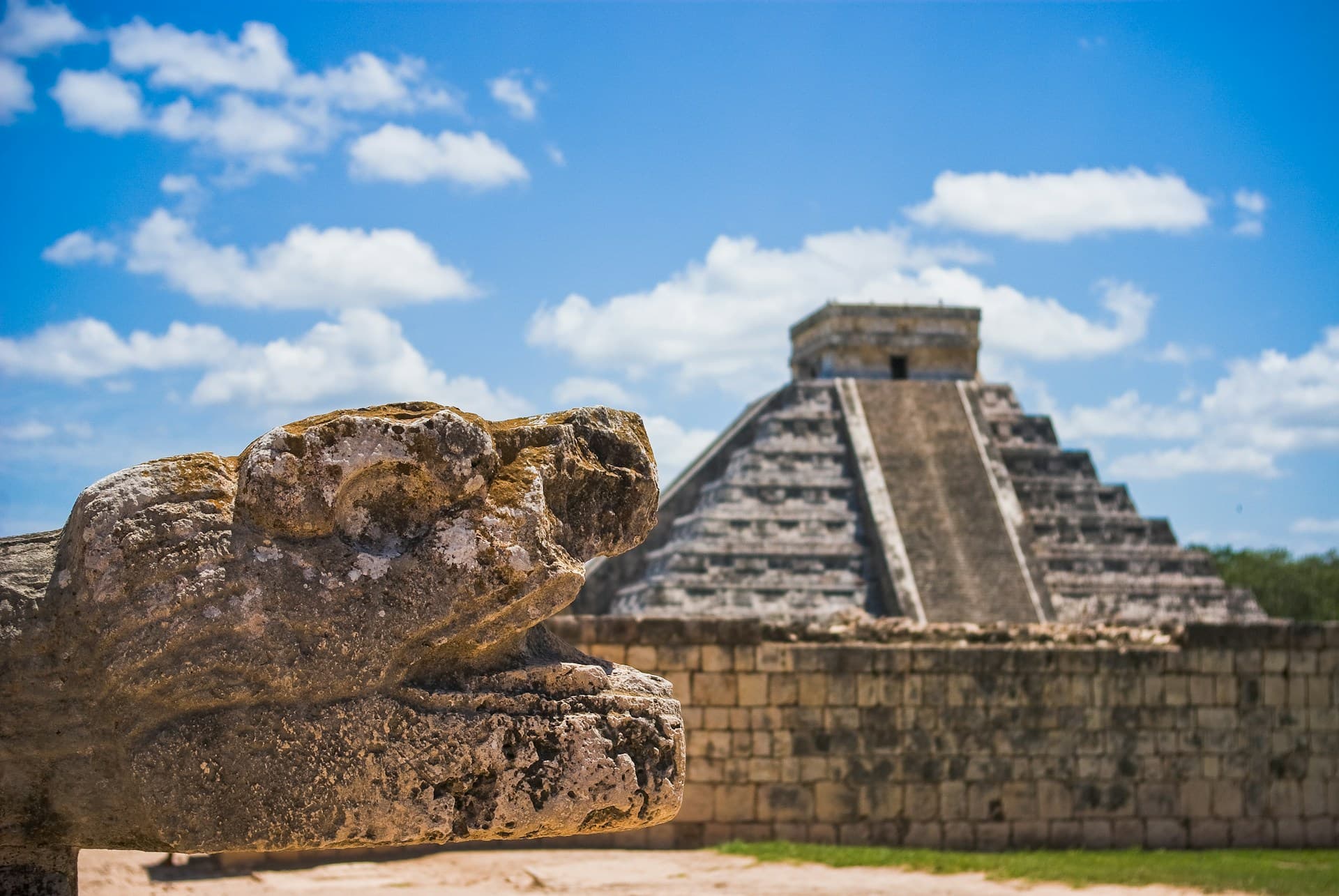
- Chichen Itza entry: 614 MXN ($36 USD, combined federal and state fee)
- Teotihuacan entry: 90 MXN ($5 USD)
- Mexico City Metro ride: 5 MXN ($0.30 USD)
- Street tacos: 15-25 MXN each ($0.90-1.50 USD)
- Sit-down restaurant meal: 150-350 MXN ($9-20 USD)
- ADO bus Cancun to Tulum: 250-350 MXN ($15-20 USD)
- Domestic flight Mexico City to Cancun: $50-150 USD one-way (Volaris, VivaAerobus)
Getting Around Mexico
Flights
Low-cost carriers Volaris and VivaAerobus have made domestic flying in Mexico remarkably affordable. Book 3-6 weeks ahead for best prices. Both charge for everything beyond a personal item -- pack light or pay for checked bags.
Buses
Mexico's long-distance bus system is excellent. First-class buses (ADO on the Gulf/Caribbean side, ETN on the Pacific/central side) offer reclining seats, air conditioning, Wi-Fi, and onboard restrooms. They are safe, comfortable, and significantly cheaper than flying.
Rental Cars
Useful for Baja road trips, Yucatan exploration, and Pacific coast hopping. Book through international companies for full insurance coverage. Note: Mexican rental car insurance is mandatory and often not covered by foreign credit card insurance. Budget an additional $15-25 per day for the required Mexican liability insurance.
Colectivos
Shared vans that run fixed routes at a fraction of taxi prices. The Cancun-to-Playa del Carmen colectivo runs every 10 minutes and costs about 50 MXN ($3 USD) compared to $40+ for a private transfer.
Plan Your Mexico Trip with TripGenie
Mexico's regional diversity means a well-planned itinerary can combine beaches, colonial cities, ancient ruins, and culinary capitals in a single trip -- but the sequencing matters. TripGenie can build a multi-destination Mexico itinerary that routes you efficiently between regions, accounts for seasonal weather patterns and festival dates, and keeps your budget on track. Whether you are planning a Yucatan circuit, a Mexico City-Oaxaca cultural deep-dive, or a coast-to-coast adventure, feed in your dates and let the AI handle the logistics.
The Bottom Line
Best overall month: November. The rains have stopped, hurricane season is ending, Day of the Dead adds cultural richness, and prices have not yet hit holiday peaks.
Best for beaches: December through April (dry season), with January and February offering the best weather and the highest prices.
Best for Mexico City: October through May (dry season). March through May offers warm, clear weather before the summer rains.
Best for budget travelers: May or late October through early November. Shoulder season pricing with good weather.
Best for culture: Late July (Guelaguetza in Oaxaca), November 1-2 (Day of the Dead), or September 15 (Independence Day in Mexico City).
Avoid if risk-averse: August through October for the Caribbean coast (hurricane season).
Mexico is a country that reveals more depth the more time you spend in it. Beyond the beach resorts, there is a civilization of food, art, history, and human warmth that ranks among the richest in the Americas.
Topics

Written by
TripGenie Team
The TripGenie team is passionate about making travel planning effortless with AI. We combine travel expertise with cutting-edge technology to help you explore the world.
@tripgenieGet Travel Tips Delivered Weekly
Get our best travel tips, destination guides, and exclusive deals delivered straight to your inbox every week.
No spam, ever. Unsubscribe anytime.