
Getting Around Seoul: The Complete Transportation Guide
Navigating a new city can be the difference between a stressful trip and a smooth one. The good news: Seoul has solid transportation infrastructure, and once you understand your options, getting around is straightforward and affordable.
This guide covers every transport mode from airport arrivals to day-trip excursions, with real costs and practical tips.
Airport to City Center
Your trip starts the moment you land. Here are your options for getting from the airport to central Seoul:
| Option | Cost | Time | Best For |
|---|---|---|---|
| Public transit | $2–$4 | 45–60 min | Budget travelers |
| Airport shuttle/bus | $4–$6 | 30–45 min | Solo/couple |
| Taxi/ride-share | $12–$20 | 20–35 min | Groups, late arrivals |
| Private transfer | $48+ | 20–35 min | Luxury, families |
Pro tip: If you arrive late at night, pre-book a transfer. Public transit may have limited service, and taxi queues can be long.
Public Transit
Public transportation in Seoul is the backbone of local movement:
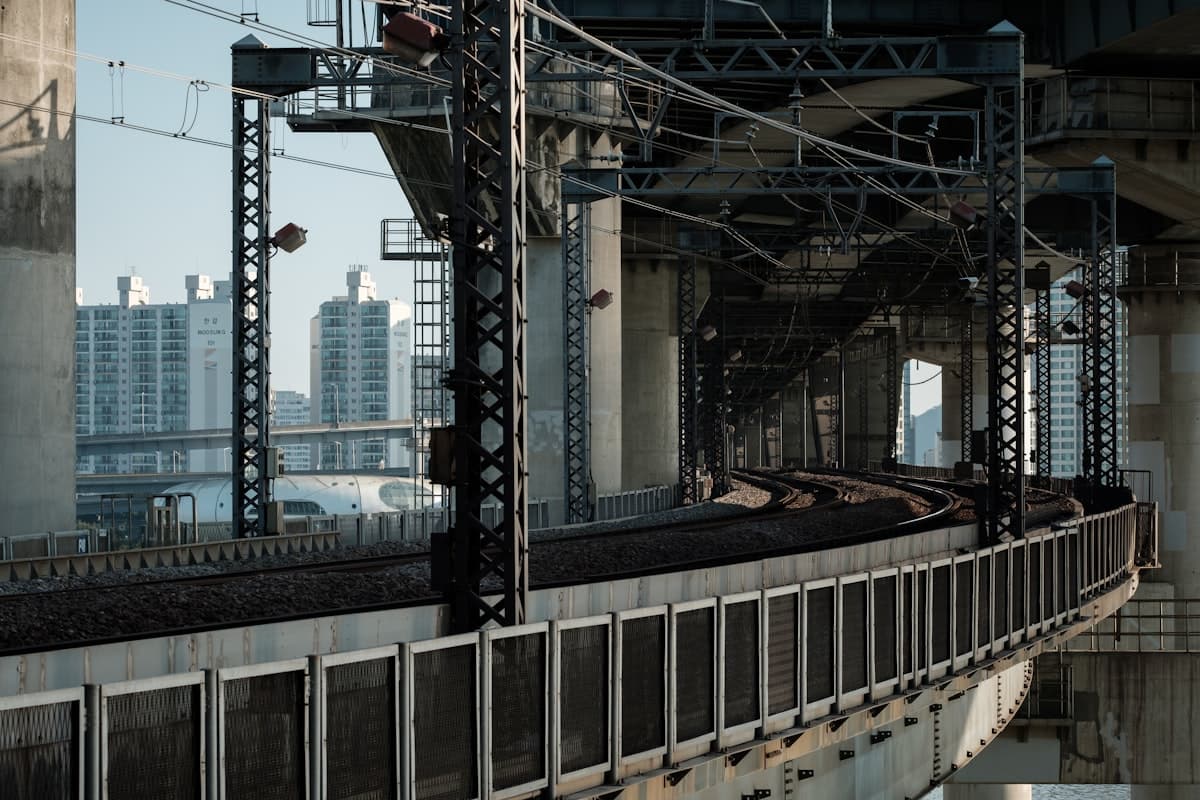
- Seoul Metro is extensive, clean, and runs until midnight
- KTX high-speed train connects Seoul to Busan in 2.5 hours
- T-money card works on subway, buses, and even taxis
Key Routes for Tourists
- Myeongdong — K-beauty shops and street food stalls to Gangnam — upscale shopping and K-pop entertainment — The most common tourist route. Direct service available.
- Myeongdong — K-beauty shops and street food stalls to Gyeongbokgung Palace — Check the latest schedules as routes may vary seasonally.
- Itaewon — international restaurants and diverse nightlife to Insadong — traditional art galleries and teahouses — Express services are usually available.
Transit Passes and Cards
If you are staying more than 2 days, a multi-day transit pass almost always saves money. Look for:
- Day passes — Unlimited rides for 24 hours.
- Multi-day passes — 3-day and 7-day options offer the best per-ride value.
- Contactless payment — Many systems now accept tap-to-pay credit cards.
Taxis and Ride-Sharing
Taxis are plentiful in Seoul. A few ground rules:
- Use ride-hailing apps whenever possible — prices are transparent and routes are tracked.
- If taking a street taxi, insist on the meter or agree on a price before departing.
- Have your destination written down in Korean — it prevents miscommunication and scenic detours.
- Tipping is not always expected but rounding up the fare is appreciated.
Typical costs:
- Short ride within the center: $3–$6
- Cross-city ride: $8–$14
Walking and Biking
Seoul's central areas are surprisingly walkable. Many of the key attractions — including Gyeongbokgung Palace and N Seoul Tower — are within walking distance of each other in the Myeongdong — K-beauty shops and street food stalls area.
Walking Tips
- Wear comfortable shoes — you will average 15,000+ steps on a full sightseeing day.
- Download offline maps to navigate without data.
- Get a T-money card for subway, bus, and convenience store payments
Biking
- Bike-sharing programs are available in many parts of Seoul.
- Dedicated bike lanes exist in some neighborhoods — check a local cycling map.
- Always lock your bike and wear a helmet if available.
Day Trip Transportation
Some of Seoul's best experiences are just outside the city. Here is how to reach the most popular day-trip destinations:
DMZ and JSA — Korean Demilitarized Zone border tour, 1.5 hours by bus
The most popular day trip from Seoul. Reachable by public bus, organized tour, or private car. Public transport is cheapest (around $6 round trip) but takes longer. An organized tour includes transport and a guide for approximately $48.
Suwon — UNESCO Hwaseong Fortress walls, 1 hour by subway
Another excellent option for a day out. Best reached by bus or train. Depart early to maximize your time.
Nami Island — famous tree-lined paths from Winter Sonata, 1.5 hours by bus
Worth the journey for travelers who want to see a different side of the region. Check seasonal schedules as some routes operate only during peak months.
Pro Tips
- Google Maps works well in Seoul for transit directions, but download the offline map as backup.
- Avoid rush hours (typically 7:30–9:30 AM and 5–7 PM) on public transit if possible.
- Keep small bills and coins handy for buses and taxis that do not accept cards.
- Airport pickups booked through your hotel are often competitively priced and more reliable than random taxis.
- Many restaurants and shops stay open past midnight
- Use TripGenie to plan routes between attractions automatically — it factors in transit times and opening hours.
Budget Transport Summary
| Mode | Daily Cost Estimate |
|---|---|
| Public transit only | $4–$8 |
| Mix of transit + taxi | $18–$30 |
| Taxis/ride-share only | $36–$70 |
Getting around Seoul does not have to be complicated or expensive. With a bit of planning, you will navigate like a local by day two.
Planning a trip to Seoul? Let TripGenie create your perfect itinerary — it's free and takes just 60 seconds.
Topics

Written by
TripGenie Team
The TripGenie team is passionate about making travel planning effortless with AI. We combine travel expertise with cutting-edge technology to help you explore the world.
@tripgenieGet Travel Tips Delivered Weekly
Get our best travel tips, destination guides, and exclusive deals delivered straight to your inbox every week.
No spam, ever. Unsubscribe anytime.