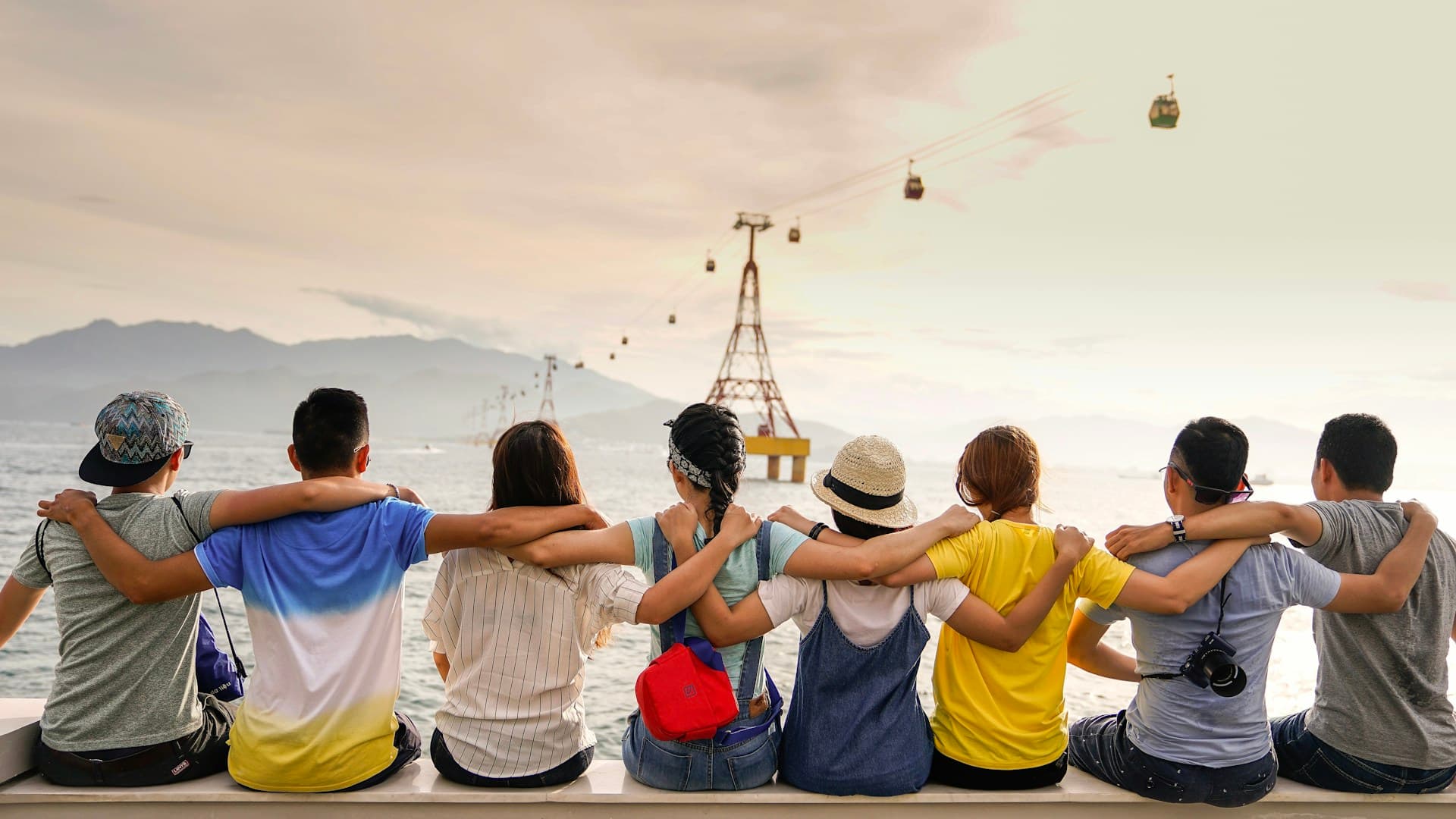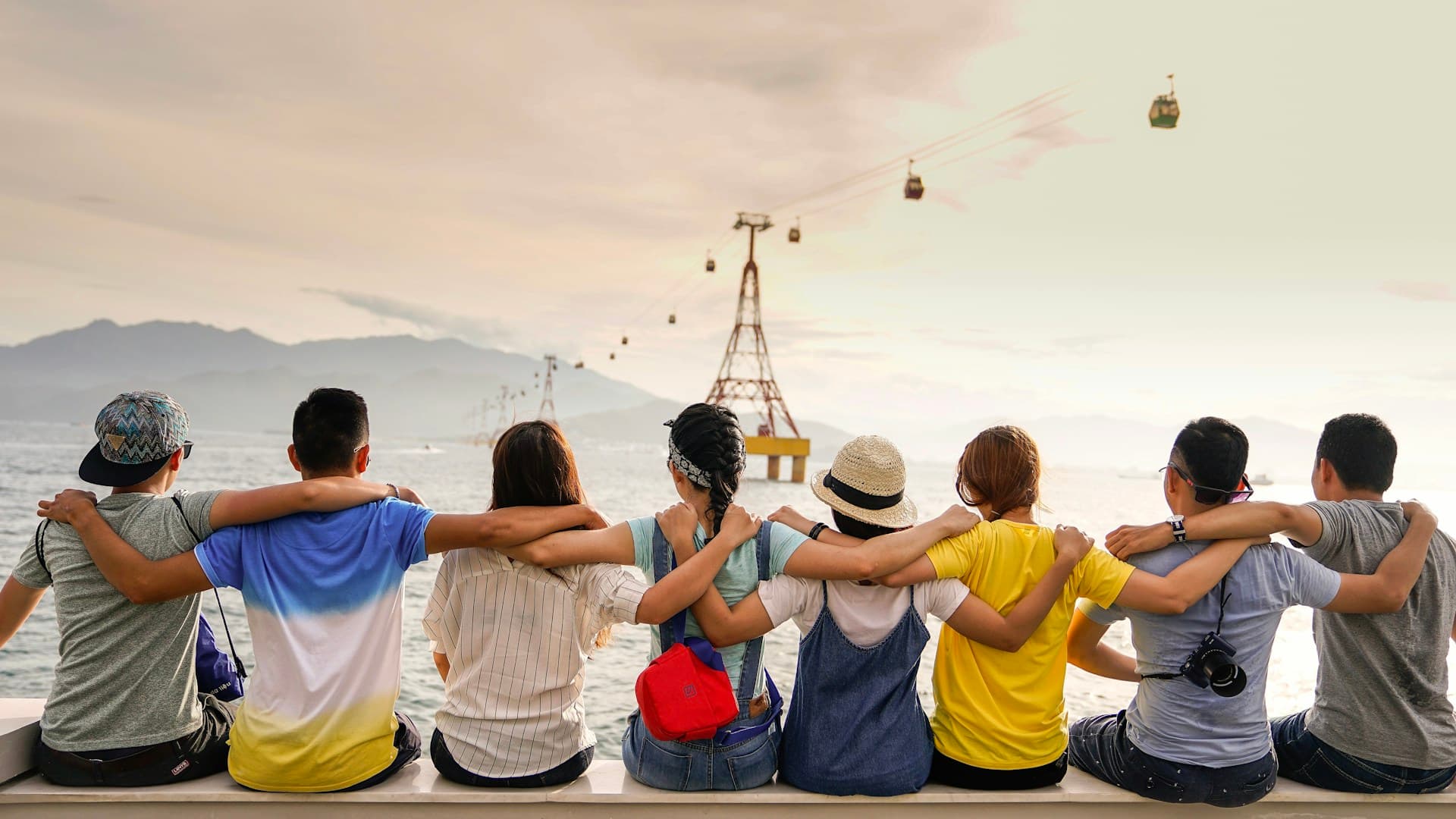

Packing for a group trip is fundamentally different from packing solo. When you travel alone, everything in your bag is yours. When you travel with 6, 8, or 12 people, there is an entire category of items that only one person needs to bring for the whole group -- and another category of items that everyone needs their own. Getting this division right saves space, weight, and money while ensuring the group has everything it needs.
This guide breaks down exactly what to share, what to bring yourself, how to coordinate the process, and the specific lists you need for different types of group trips.
The Shared Items Principle
The core principle is simple: if the group only needs one of something, one person should bring it. If everyone needs their own, it stays on the personal list. A Bluetooth speaker is shared. Toothpaste is personal. A first aid kit is shared. Prescription medication is personal.
The challenge is not identifying what is shared -- it is assigning who brings what. Without a system, you end up with three Bluetooth speakers and zero bottle openers, or everyone assumes someone else is bringing sunscreen and nobody does.
How to Coordinate: The Google Sheets Method
Before diving into the lists, here is the coordination system that actually works:
Step 1: Create a Shared Google Sheet
Set up a spreadsheet with three tabs:
Tab 1: Shared Items
- Column A: Item name
- Column B: Quantity needed
- Column C: Assigned to (person's name)
- Column D: Status (Packed / Still Need / Not Bringing)
Tab 2: Personal Items Checklist
- A universal checklist that each person can copy and customize
Tab 3: Activity-Specific Add-Ons
- Items needed for specific planned activities (hiking gear, snorkeling equipment, etc.)
Step 2: Assign Shared Items
The trip organizer fills in Tab 1 with all shared items and assigns each to a specific person. Distribute items roughly evenly by weight and bulk. The person driving (if it is a road trip) or the person with the most luggage allowance should take the heaviest shared items.
Step 3: Deadline
Set a "confirm packed" deadline 48 hours before departure. Everyone marks their assigned items as "Packed" in the spreadsheet. If anything is missing, there is still time to buy it.
Shared Items Checklist
These are items where one (or a few) serves the entire group. Assign each to a specific person.
First Aid and Health
- [ ] First aid kit (one comprehensive kit for the group)
- Adhesive bandages (assorted sizes)
- Antibiotic ointment (Neosporin)
- Antiseptic wipes
- Gauze pads and medical tape
- Tweezers
- Pain relievers (ibuprofen and acetaminophen)
- Antihistamine (Benadryl or Zyrtec)
- Anti-diarrheal (Imodium)
- Hydrocortisone cream
- Blister patches (Compeed or moleskin)
- Thermometer
- [ ] Insect repellent (one large bottle with DEET or picaridin, enough for the group)
- [ ] Sunscreen (one or two large bottles of SPF 50; individual face sunscreen stays on the personal list)
- [ ] Aloe vera gel (one bottle for post-sunburn relief)
- [ ] Hand sanitizer (one large pump bottle for the rental house/car plus individual travel-sized bottles on the personal list)
Electronics and Entertainment
- [ ] Bluetooth speaker (one quality speaker; the JBL Charge 5 or Bose SoundLink Flex are excellent, waterproof, and loud enough for a group)
- [ ] Power strip or multi-port USB charger (one per 4-5 people; the Anker 6-port charger or a power strip with USB ports saves outlet fights)
- [ ] Portable phone charger / power bank (one shared 20,000mAh bank for emergencies; personal chargers stay on individual lists)
- [ ] HDMI cable or streaming device (a Roku Streaming Stick or Amazon Fire Stick if the rental has a TV but no streaming apps)
- [ ] Portable projector (optional; the Nebula Capsule or Epson EpiqVision Mini turns any wall into a movie screen for group movie nights)
- [ ] Travel adapter set (for international trips, one universal adapter per 2-3 people; Ceptics and Epicka make reliable ones)
Games and Activities
- [ ] Card games (a standard deck plus at least one group game: Codenames, Wavelength, or Exploding Kittens)
- [ ] Board game (one compact travel game: Bananagrams, Spot It, or a travel-sized Catan)
- [ ] Inflatable pool floats (for beach or pool trips; one or two, not one per person)
- [ ] Frisbee, football, or volleyball (one per group for beach/park days)
- [ ] Binoculars (for nature trips, wildlife watching, or scenic viewpoints; one pair is sufficient)
Kitchen and Dining (for Rental House Trips)
Most vacation rentals provide basic cookware, but they often lack specialty items and the quantities needed for large groups. Bring:
- [ ] Sharp chef's knife (rental kitchens almost always have dull knives; one good knife transforms group cooking)
- [ ] Spice kit (a small collection of salt, pepper, garlic powder, chili flakes, and olive oil; rental kitchens rarely stock these)
- [ ] Corkscrew and bottle opener (never assume the rental has one; always bring a backup)
- [ ] Reusable water bottles (assign each person a different color or label them; one shared large water jug for the fridge is also useful)
- [ ] Trash bags (rentals sometimes provide one roll; bring extras for a group that generates more trash than a couple)
- [ ] Paper towels (one extra roll; you will go through them faster with a large group)
- [ ] Coffee setup (if you are particular about coffee, bring a pour-over or AeroPress plus your preferred beans; rental coffee makers are usually 10-cup drip machines with questionable cleanliness)
- [ ] Cooler (for road trips and beach days; one large cooler for the group, not individual small ones)
- [ ] Reusable shopping bags (3-4 for grocery runs)
Miscellaneous Shared Items
- [ ] Flashlights or headlamps (two for the group; essential for camping, useful for rental houses with poor exterior lighting)
- [ ] Duct tape (a small roll; fixes everything from torn luggage to leaky air mattresses)
- [ ] Ziplock bags (a box of gallon and quart sizes; for wet swimsuits, leftovers, phone protection at the beach, and a hundred other uses)
- [ ] Clothesline and clothespins (one portable clothesline for drying swimsuits and towels; the Sea to Summit Lite Line is lightweight and compact)
- [ ] Multi-tool or Swiss Army knife (one for the group; keep it in checked luggage)
- [ ] Sewing kit (a mini travel kit with needles, thread, and safety pins)
- [ ] Stain remover pen (one Tide To Go pen; someone will spill wine on a white shirt)
Personal Items Checklist
These items are non-shareable. Every person needs their own.
Documents and Money
- [ ] Passport (check expiration: must be valid for 6+ months beyond travel dates for most international destinations)
- [ ] Driver's license or government ID
- [ ] Travel insurance documents (printed and digital copy)
- [ ] Credit card and debit card (notify your bank of travel dates)
- [ ] Cash in local currency (at least enough for the first day; $50-$100 equivalent)
- [ ] Copies of all documents stored digitally (Google Drive, iCloud, or email to yourself)
Clothing (Adjust for Destination and Duration)
- [ ] Underwear (one per day plus two extras)
- [ ] Socks (one pair per day; two pairs of wool socks if hiking)
- [ ] Sleepwear
- [ ] Outfits for daytime activities (plan by day; re-wear where appropriate)
- [ ] One nicer outfit for a dinner out or night out
- [ ] Swimsuit(s) (at least two so one can dry while wearing the other)
- [ ] Cover-up or sarong
- [ ] Light jacket or layers for evenings
- [ ] Rain jacket (packable; the Patagonia Torrentshell or North Face Venture are reliable)
- [ ] Comfortable walking shoes
- [ ] Sandals or flip-flops
- [ ] Dress shoes or going-out shoes (if needed)
- [ ] Hat for sun protection
- [ ] Sunglasses
Toiletries
- [ ] Toothbrush and toothpaste
- [ ] Deodorant
- [ ] Shampoo and conditioner (or solid bars to save space)
- [ ] Face wash and moisturizer
- [ ] Razor
- [ ] Makeup and makeup remover
- [ ] Hair styling tools and products
- [ ] Contact lenses and solution (plus backup glasses)
- [ ] Personal medications (in original labeled containers)
- [ ] Face sunscreen (SPF 30+; body sunscreen is on the shared list)
- [ ] Lip balm with SPF
- [ ] Personal hand sanitizer (travel size)
- [ ] Feminine hygiene products
Personal Electronics
- [ ] Phone and charger
- [ ] Headphones or earbuds (wired or wireless; essential for planes and for personal quiet time)
- [ ] Camera (if not relying on phone)
- [ ] E-reader or book
- [ ] Laptop or tablet (if needed for work or entertainment)
- [ ] Personal power bank (10,000mAh is sufficient for most people)
Comfort and Convenience
- [ ] Reusable water bottle
- [ ] Day bag or small backpack (for excursions; the Osprey Daylite or Fjallraven Kanken are popular)
- [ ] Travel pillow (for flights over 3 hours)
- [ ] Eye mask and earplugs (essential when sharing a room)
- [ ] Packing cubes (Eagle Creek and Peak Design make excellent ones; they transform how efficiently you pack)
- [ ] Laundry bag (a stuff sack or a simple plastic bag for dirty clothes)
- [ ] Snacks for travel days
Activity-Specific Add-Ons
Depending on what your group has planned, add these items to the relevant lists.
Beach Trip Add-Ons
Shared:
- [ ] Beach umbrella or pop-up shade tent (one for the group)
- [ ] Beach blanket or large towel (one XL blanket beats individual towels for group hangouts)
- [ ] Snorkeling gear (if not renting; 2-3 sets to share)
- [ ] Waterproof phone pouch (2-3 for the group)
- [ ] Cooler bag with ice packs
Personal:
- [ ] Beach towel (one per person; microfiber towels dry faster and pack smaller)
- [ ] Reef-safe sunscreen (required by law in Hawaii, Palau, and parts of Mexico)
- [ ] Water shoes (for rocky shores or coral)
Hiking Trip Add-Ons
Shared:
- [ ] Trail maps (downloaded to one phone with offline maps, plus one paper backup)
- [ ] Bear spray (if hiking in bear country; one per subgroup)
- [ ] Water purification tablets or a Sawyer filter
- [ ] Emergency whistle (one per subgroup)
Personal:
- [ ] Hiking boots or trail shoes (broken in before the trip)
- [ ] Moisture-wicking base layers
- [ ] Trekking poles (optional; Black Diamond Distance Carbon Z is a good packable option)
- [ ] Blister prevention kit (moleskin, Leukotape, or Compeed patches)
- [ ] Hydration pack or water bottles (minimum 2 liters capacity per person)
Ski Trip Add-Ons
Shared:
- [ ] Boot dryer (one DryGuy or Peet dryer for the group)
- [ ] Wax kit (if anyone owns their own skis)
- [ ] Deck of cards and board games for evening lodge time
Personal:
- [ ] Base layers (top and bottom; merino wool is best)
- [ ] Ski socks (2-3 pairs; SmartWool or Darn Tough)
- [ ] Neck gaiter or balaclava
- [ ] Hand warmers and toe warmers (HotHands brand; bring a box)
- [ ] Goggles and helmet (or rent at the resort)
- [ ] Ski jacket and pants (or rent)
Road Trip Add-Ons
Shared:
- [ ] Phone mount for the driver's dashboard
- [ ] AUX cable or Bluetooth FM transmitter (for cars without Bluetooth)
- [ ] Road trip snack box (assembled collaboratively before departure)
- [ ] Paper towels and wet wipes for the car
- [ ] Jumper cables
- [ ] Roadside emergency kit (if not already in the vehicle)
Personal:
- [ ] Neck pillow for car napping
- [ ] Downloaded podcasts, audiobooks, or playlists (do not rely on cell service in rural areas)
What NOT to Share
Some items seem like they could be shared but really should not be:
- Towels at a rental house. Bring your own labeled towel or assign towels by color on arrival. Using someone else's towel is a fast path to awkwardness.
- Razor. Never share a razor. Ever.
- Makeup. Eye makeup in particular carries infection risk when shared.
- Earbuds or headphones. Hygiene reasons.
- Prescription medications. Even common ones like ibuprofen should not be freely distributed from one person's supply due to allergy and interaction risks. Each person should carry their own over-the-counter basics.
- Sunscreen for the face. Face sunscreen is formulated differently from body sunscreen and people have different skin sensitivities. The shared group sunscreen is for body application.
Weight Distribution for Road Trips
When driving to the destination, strategic packing saves space and frustration:
- Heaviest items go in the trunk first, closest to the rear axle. This includes the cooler, cases of drinks, and the heaviest bags.
- Frequently needed items go on top and at the edges. Snacks, the aux cord, a jacket for rest stops, and the first aid kit should be accessible without unpacking the entire trunk.
- Assign one bag per person maximum for the cabin. Everything else goes in the trunk. A car interior stuffed with bags is uncomfortable and unsafe (loose items become projectiles in a sudden stop).
- Use a roof rack or cargo box if available. A Thule or Yakima cargo box adds 15-20 cubic feet of storage. For a group of 6+ in a single vehicle, this can be the difference between comfort and chaos.
- Soft bags pack better than hard suitcases. Duffel bags and backpacks fill irregular spaces in a trunk. Hard-sided suitcases leave gaps.
The Rental House Kitchen Essentials List
If your group is staying in a vacation rental and plans to cook, here is what to buy on arrival (or bring from home). Most rentals provide pots, pans, and plates, but assume the following will be missing or insufficient:
Grocery Run Essentials (Buy on Arrival)
- Coffee and filters (or pods if the rental has a Keurig)
- Milk, cream, or non-dairy alternative
- Cooking oil (olive oil and a neutral oil like canola)
- Butter
- Salt and pepper (rental kitchens sometimes have these; do not rely on it)
- Basic condiments: ketchup, mustard, hot sauce, soy sauce
- Paper towels (at least 2 rolls for the group)
- Dish soap (rental might provide one small bottle; bring backup)
- Sponges (rental sponges are often used and questionable)
- Trash bags (bring from home or buy; the rental's supply may not last a large group)
- Aluminum foil and plastic wrap
- Ziplock bags
- Ice (for the cooler and for drinks)
Cooking Planning
Assign cooking duties in advance:
- Night 1: Group cooks together (pasta, tacos, or something collaborative and simple)
- Night 2: Pair A cooks for the group
- Night 3: Dinner out at a restaurant
- Night 4: Pair B cooks for the group
- Night 5: Leftovers or takeout
This rotation means no one person is stuck cooking every night, and the cost of groceries is split evenly.
Use TripGenie to Coordinate Everything
Packing is just one piece of group trip coordination. TripGenie helps you organize the full picture: the itinerary, restaurant reservations, activity bookings, and shared logistics. Instead of managing packing lists, daily plans, and cost tracking across five different apps and a group chat, create a single shared trip plan in TripGenie that everyone can access. The organizer builds the itinerary, and the group follows along in real time.
The Final Check
Forty-eight hours before departure, have everyone in the group confirm three things in the shared spreadsheet:
- All assigned shared items are packed.
- All personal essentials (passport, medications, chargers) are packed.
- Any activity-specific gear is packed.
If anything is missing, there is still time to buy it or reassign it. The worst feeling on a group trip is arriving at the destination and realizing nobody brought the one thing everyone assumed someone else would handle.
Pack smart, pack collaboratively, and leave room in your bag for the souvenirs and memories you will bring home.
Topics

Written by
TripGenie Team
The TripGenie team is passionate about making travel planning effortless with AI. We combine travel expertise with cutting-edge technology to help you explore the world.
@tripgenieGet Travel Tips Delivered Weekly
Get our best travel tips, destination guides, and exclusive deals delivered straight to your inbox every week.
No spam, ever. Unsubscribe anytime.