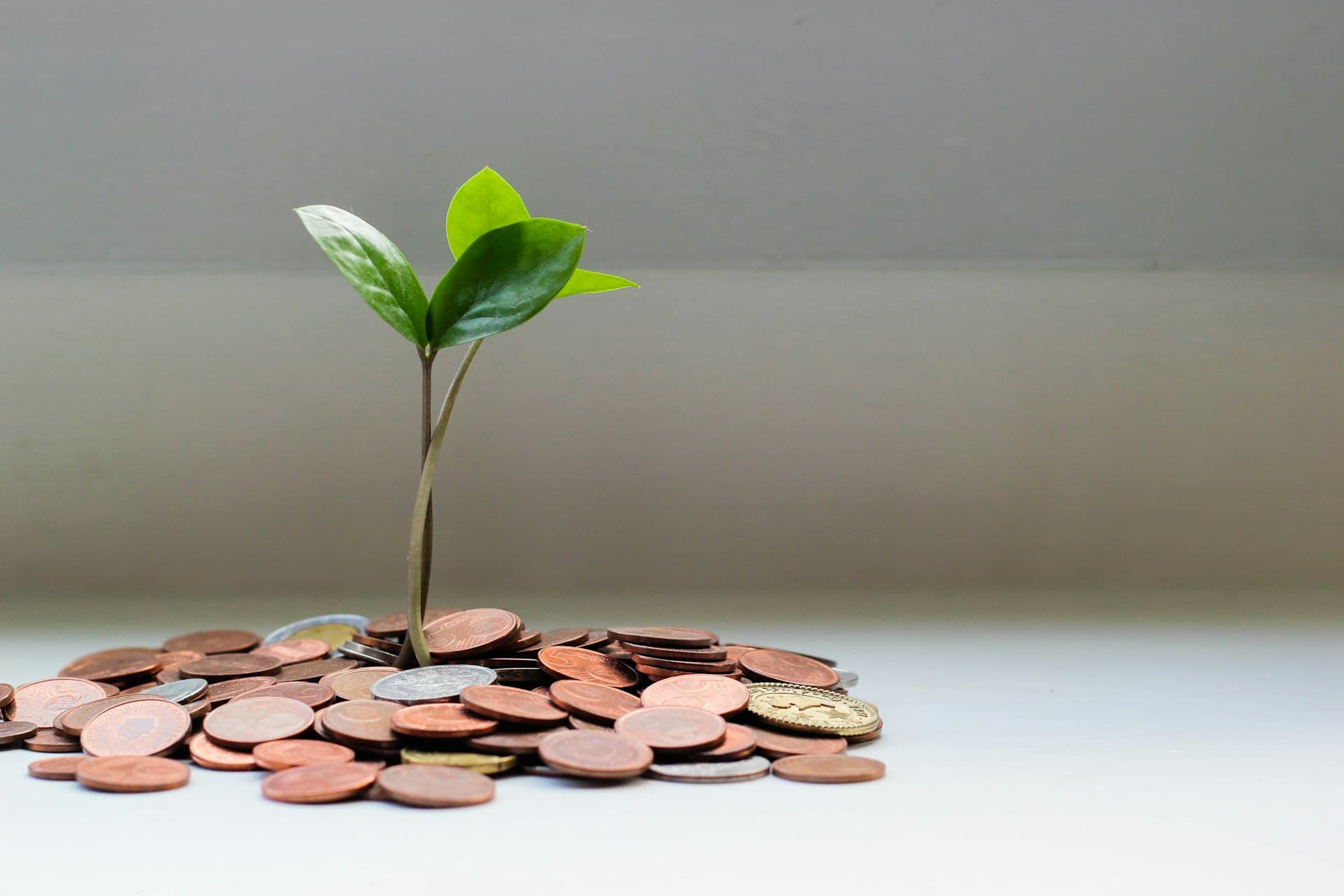

Saving $5,000 in six months means putting away roughly $834 per month. That sounds like a lot until you break it down into specific, actionable steps. This is not a guide that tells you to "stop buying lattes" -- it is a concrete plan with monthly targets, specific tools, and strategies that real people use to fund their travels.
I used a version of this plan to save $6,200 in five months for a three-week trip through Japan. The key was not deprivation -- it was redirection. Most of us leak money in dozens of small ways we barely notice. Plug those leaks, add one or two income boosts, and the math works out faster than you expect.
The Big Picture: Where $5,000 Comes From
Before we get into the monthly breakdown, here is the framework. Your $5,000 will come from three sources:
| Source | Monthly Target | 6-Month Total |
|---|---|---|
| Expense cuts | $350 | $2,100 |
| Automated savings | $250 | $1,500 |
| Extra income | $234 | $1,400 |
| Total | $834 | $5,000 |
This is a balanced approach. You are not relying on any single strategy, which makes it sustainable. If one area falls short, the others pick up the slack.
Month 1: The Audit and Setup
The first month is about understanding where your money goes and setting up the systems that will do the heavy work for the next five months.
Week 1: Track Every Dollar
Before you can cut anything, you need to see everything. Download your last three months of bank and credit card statements and categorize every transaction. Use one of these tools:
- Monarch Money ($9.99/month, but worth it for the clarity it provides): The best overall budgeting app, with automatic categorization and custom categories
- YNAB (You Need A Budget) ($14.99/month or $99/year): Best if you want to adopt a zero-based budgeting approach
- Google Sheets or Excel: Free, and a simple income/expenses spreadsheet works surprisingly well
Week 2: Identify Your "Invisible" Spending
Most people find $200-$400 in monthly spending they did not realize they had. Look for:
- Subscriptions you forgot about: The average American has 12 paid subscriptions totaling $219/month. Use Rocket Money (formerly Truebill) to scan for forgotten ones. Common culprits: streaming services you do not watch, gym memberships you do not use, premium app tiers you do not need
- Convenience spending: Delivery fees, DoorDash markups, Uber rides for short distances, bottled water. These individually small charges often total $150-$300/month
- Impulse purchases: Amazon orders under $20, in-app purchases, "treat yourself" retail therapy
Week 3: Set Up Your Travel Fund
Open a high-yield savings account (HYSA) specifically for travel. Keeping it separate from your regular savings removes the temptation to dip into it. Top options as of early 2026:
- Marcus by Goldman Sachs: 4.3% APY, no minimum balance, no fees
- Ally Bank: 4.1% APY, excellent app with "buckets" feature to label savings goals
- SoFi Savings: 4.0% APY with direct deposit, plus occasional bonus offers
Set up an automatic transfer of $250 from your checking account to this HYSA, timed for the day after payday. This is your "pay yourself first" amount. It leaves your account before you can spend it.
Week 4: Make Your First Cuts
Cancel or downgrade the subscriptions you identified. Here is a realistic cut list:
| Expense | Monthly Savings |
|---|---|
| Cancel 2-3 unused streaming services | $30-$45 |
| Downgrade phone plan (try Mint Mobile or US Mobile) | $30-$50 |
| Cancel or pause gym (use free YouTube workouts or outdoor exercise) | $30-$60 |
| Reduce dining out from 3x/week to 1x/week | $120-$200 |
| Switch to home-brewed coffee on weekdays | $40-$80 |
| Cancel premium app subscriptions (Spotify to free, etc.) | $20-$30 |
| Total | $270-$465 |
Month 1 target: $500 (a smaller amount as you ramp up)
Month 2: The Grocery Overhaul
Food is typically the second-largest expense after housing, and it is the area with the most room for optimization without feeling deprived.
Meal Planning and Batch Cooking
- Plan meals for the week every Sunday: This single habit reduces food waste and eliminates the "I do not know what to eat, let's order delivery" trap
- Batch cook 2-3 base recipes: Cook a large pot of rice, roasted vegetables, and a protein on Sunday. Mix and match throughout the week
- Use the Mealime app (free): Generates meal plans and shopping lists based on your preferences
Smart Grocery Shopping
- Switch to Aldi or Lidl if available in your area. The same basket of groceries costs 30-40% less than at conventional supermarkets
- Use the Flashfood app: Buy grocery items approaching their sell-by date at 50% off. Fresh produce, dairy, and meat are regularly available
- Buy store brands: Kroger's Simple Truth, Costco's Kirkland, and Trader Joe's house brands are often identical to name brands at 20-40% less
- Stop buying pre-cut, pre-washed, and pre-packaged: A whole head of lettuce costs $1.50. A bag of pre-washed salad mix costs $4.99
The Alcohol Adjustment
This is a sensitive topic, but it is mathematically significant. If you currently spend $50-$100/week on alcohol (bars, restaurants, or home consumption), reducing that by half saves $100-$200/month. You do not have to stop entirely -- just be intentional about it.
Month 2 target: $834 (full target reached)
Month 3: Launch Your Side Income
By now, your expense cuts and automated savings are handling about $600/month. The remaining $234 comes from earning more. Here are proven options ranked by effort and earning potential:
Low Effort, Quick Cash ($100-$300/month)
- Sell what you own: Go through closets, garage, and storage. Facebook Marketplace, Poshmark (for clothing), and Decluttr (for electronics) make this easy. Most people have $500-$2,000 in sellable items they never use
- Plasma donation: BioLife and CSL Plasma pay $50-$75 per visit. You can donate twice per week. New donors often receive bonus offers of $800-$1,000 for the first month
- Online surveys and micro-tasks: Prolific (not the low-paying survey sites) pays $8-$12/hour for academic studies. UserTesting pays $10-$60 per website or app test
Medium Effort, Steady Income ($300-$800/month)
- Freelance your existing skills: If you can write, design, edit photos, manage social media, or do data entry, platforms like Upwork and Fiverr connect you with clients. Even 5-10 hours/week at $20-$40/hour adds up fast
- Tutoring: Wyzant and Varsity Tutors pay $25-$80/hour depending on the subject. If you have expertise in math, science, or test prep, this is high-value work
- Pet sitting and dog walking: Rover and Wag connect you with local pet owners. Dog walking pays $15-$25 per 30-minute walk, and weekend pet sitting can bring in $50-$100 per booking
Higher Effort, Higher Reward ($500-$2,000/month)
- Delivery driving: DoorDash, Instacart, and Amazon Flex let you work whenever you want. Peak hours (dinner time, weekends) pay $20-$30/hour in most markets
- Weekend event work: Catering, bartending, and event staffing companies are always looking for part-time help. Pay ranges from $18-$30/hour, and you often get free food
Month 3 target: $834
Month 4: Optimize and Automate
By month four, your systems are running. This month is about fine-tuning and finding additional savings you might have missed.
Negotiate Your Bills
Call every service provider and ask for a better rate. This works more often than people expect:
- Internet: Call your ISP and mention a competitor's lower price. Success rate: about 70%. Average savings: $15-$30/month
- Car insurance: Get quotes from at least three competitors using Policygenius or The Zebra. Switching saves $50-$100/month on average
- Cell phone: If you have not already switched to a budget carrier, consider Mint Mobile ($15/month for 5GB), Visible ($25/month unlimited), or Google Fi ($20/month base)
- Credit card interest: If you carry a balance, call and ask for a lower APR, or apply for a 0% balance transfer card
The 24-Hour Rule
Implement a strict 24-hour waiting period for any non-essential purchase over $25. Add it to a "want" list in your phone, and revisit it the next day. Research shows that 70% of impulse purchases are regretted. This single habit can save $100-$200/month.
Cash Back and Rewards
If you are not already using a cash-back credit card for everyday purchases (and paying the balance in full monthly), you are leaving money on the table:
- Citi Double Cash: 2% on everything (1% when you buy, 1% when you pay)
- Chase Freedom Flex: 5% on rotating quarterly categories, 3% on dining and drugstores
- Capital One SavorOne: 3% on dining, entertainment, and grocery stores
At typical spending levels, cash back adds $30-$60/month.
Month 4 target: $834
Month 5: The Acceleration Phase
You are past the halfway point. Motivation can dip here, so this is the month to reconnect with your "why" and push for extra savings.
Visualize Your Goal
- Create a countdown: Put a physical calendar on your fridge with your trip date circled. Cross off each day
- Make it your phone wallpaper: Use a photo of your destination
- Track your progress visually: Color in a thermometer chart or use the savings goal tracker in your HYSA app
Find One Big Win
Look for a single action that saves $200-$500 in one shot:
- Refinance a loan: If interest rates have dropped since you took out your auto loan or personal loan, refinancing could lower your monthly payment
- Cancel a service for 3 months: Pause your house cleaning service, lawn care, or other outsourced tasks and do them yourself temporarily
- Sell a bigger item: A second car, unused furniture, that road bike collecting dust, old electronics
- Negotiate your rent: If your lease is up for renewal, research comparable units in your area and negotiate. Even $50/month off is $300 over six months
The Social Spending Shift
You do not have to become a hermit, but you can change how you socialize:
- Host potluck dinners instead of going to restaurants
- Suggest free activities: hiking, beach days, game nights, park hangouts
- If you go out, eat before and limit yourself to 1-2 drinks
- Be honest with friends: "I am saving for a trip" is a perfectly acceptable reason to suggest cheaper alternatives
Month 5 target: $834
Month 6: The Final Push and Trip Planning
You are on the home stretch. By now, saving has become habitual, and your travel fund should be approaching $5,000.
Squeeze Out the Last Savings
- No-spend week: Pick one week this month where you spend nothing beyond absolute necessities (rent, utilities, basic groceries). Many people save $200-$400 in a single no-spend week
- Sell final items: Go through your home one more time for sellable items
- Pick up extra shifts or projects: The finish line is in sight -- extra effort now pays off immediately
Start Booking Strategically
With your $5,000 saved, book smart:
- Flights first: Use Google Flights to find the best deals, and book as soon as you see a good price. Waiting rarely pays off for international flights
- Use TripGenie for planning: Let AI build an optimized itinerary that maximizes your budget. The app suggests the best value accommodation, dining, and activities based on your travel style and budget
- Book accommodation with free cancellation: Plans change. Use Booking.com's free cancellation options so you can rebook if you find a better deal later
Month 6 target: $834 (plus any bonus from extra income or cash back)
The Complete 6-Month Savings Tracker
Here is your month-by-month summary:
| Month | Expense Cuts | Auto Savings | Side Income | Total Saved | Running Total |
|---|---|---|---|---|---|
| 1 | $200 | $250 | $50 | $500 | $500 |
| 2 | $350 | $250 | $234 | $834 | $1,334 |
| 3 | $350 | $250 | $234 | $834 | $2,168 |
| 4 | $350 | $250 | $234 | $834 | $3,002 |
| 5 | $350 | $250 | $234 | $834 | $3,836 |
| 6 | $350 | $250 | $234 | $834 | $4,670 |
| Bonus | Cash back, interest, big wins | $330 | $5,000 |
The "bonus" row accounts for accumulated cash-back rewards, HYSA interest (roughly $50-$80 over 6 months at 4%+ APY), and any bigger one-time savings or sales.
What If You Fall Behind?
Life happens. Here is how to course-correct:
- Missed one month by $200: Add $50/month to the remaining months. Barely noticeable
- Missed two months: Pick up a weekend side gig for 4-6 weekends. At $150/weekend, you will catch up quickly
- Major unexpected expense: Adjust your trip plan rather than abandoning it. A $3,500 trip is still an incredible experience
- Lost motivation: Revisit your destination research, watch travel vlogs, talk to friends who have been there. Reconnect with the excitement
The Mindset Shift That Makes This Work
The people who successfully save for travel share one mental model: they view saving not as sacrifice, but as pre-spending. Every dollar you redirect to your travel fund is not a dollar lost -- it is a dollar already spent on your future adventure.
When you skip a $15 delivery order and cook at home, you are not "going without." You are buying a street food tour in Bangkok. When you cancel a $13 streaming service, you are buying a sunset boat tour in Croatia.
This reframe turns the entire process from deprivation into anticipation. And anticipation, as research consistently shows, is one of the greatest sources of happiness -- sometimes even more than the experience itself.
Start today. Open that HYSA, set up the automatic transfer, and begin your audit. Six months from now, you will be boarding a plane to somewhere extraordinary, knowing you earned every moment of it.
Topics

Written by
TripGenie Team
The TripGenie team is passionate about making travel planning effortless with AI. We combine travel expertise with cutting-edge technology to help you explore the world.
@tripgenieGet Travel Tips Delivered Weekly
Get our best travel tips, destination guides, and exclusive deals delivered straight to your inbox every week.
No spam, ever. Unsubscribe anytime.