
The idea of traveling the world with no money sounds like a fantasy, but thousands of people do it every year. They are not trust fund recipients or lottery winners. They are resourceful individuals who have learned to leverage systems, platforms, and opportunities that most people never consider. This guide lays out 12 concrete strategies for traveling on virtually nothing, with specific platforms, realistic expectations, and the trade-offs involved in each approach.
Strategy 1: House Sitting
House sitting is the single most effective way to get free accommodation in desirable locations worldwide. Homeowners need someone to care for their property and pets while they travel. You provide that service in exchange for a free place to stay -- often a fully furnished home with a kitchen, laundry, and sometimes even a car.
The Best House Sitting Platforms
TrustedHousesitters (trustedhousesitters.com) is the largest platform with over 100,000 listings across 130 countries. Annual membership costs $129 for sitters. Listings range from a weekend in a London flat to three months on a New Zealand sheep farm.
Nomador (nomador.com) charges $89 per year and has strong coverage in France, Spain, and Southern Europe. MindMyHouse (mindmyhouse.com) costs $20 per year and is particularly popular in Australia and the UK.
How to Get Your First House Sit
The biggest challenge is building credibility when you have zero reviews. Here is how to overcome that:
- Start local. Offer to house sit for friends, family, or neighbors, and ask them to write you a reference.
- Write a compelling profile. Include clear photos of yourself, mention any pet care experience, and explain why you enjoy house sitting.
- Apply quickly. New listings get dozens of applications within hours. Set up alerts and respond within the first hour.
- Offer video calls. Homeowners want to trust the person staying in their home. A brief video chat builds that trust faster than any written message.
- Accept short or less glamorous sits first. A 3-day sit in a suburban house is a stepping stone to a 3-week sit in a Tuscan villa.
Realistic Expectations
Experienced house sitters on TrustedHousesitters report securing 80-90% of their accommodation through the platform during long-term travel. The average sit lasts 10-14 days. In popular destinations like London, Paris, and Sydney, competition for sits is intense, so applying early and having strong reviews is essential.
Strategy 2: Couchsurfing and Hospitality Exchanges
Couchsurfing (couchsurfing.com) connects travelers with local hosts who offer a free place to sleep -- typically a couch, spare room, or air mattress. The platform charges a $14.99 monthly verification fee (or $2.39/month paid annually), which helps reduce spam accounts.
BeWelcome (bewelcome.org) and Warm Showers (warmshowers.org, specifically for touring cyclists) are free alternatives. Warm Showers has an especially generous and active community.
Making Couchsurfing Work
- Complete your profile thoroughly. Hosts are more likely to accept guests with filled-out profiles, verified IDs, and references.
- Send personalized requests. Generic copy-paste messages get ignored. Reference something specific from the host's profile.
- Host first if possible. Even hosting one or two travelers gives you references and demonstrates you understand the exchange.
- Attend Couchsurfing events. Most major cities have weekly meetups. These are great for meeting potential hosts in person.
Safety Considerations
Always read host reviews carefully. If a host has no reviews or recent negative feedback, move on. Trust your instincts. Let someone know where you are staying. Both men and women use Couchsurfing successfully, but solo female travelers in particular should prioritize hosts with extensive positive reviews and consider staying with female hosts or families.
Strategy 3: Work Exchanges (Volunteering for Room and Board)
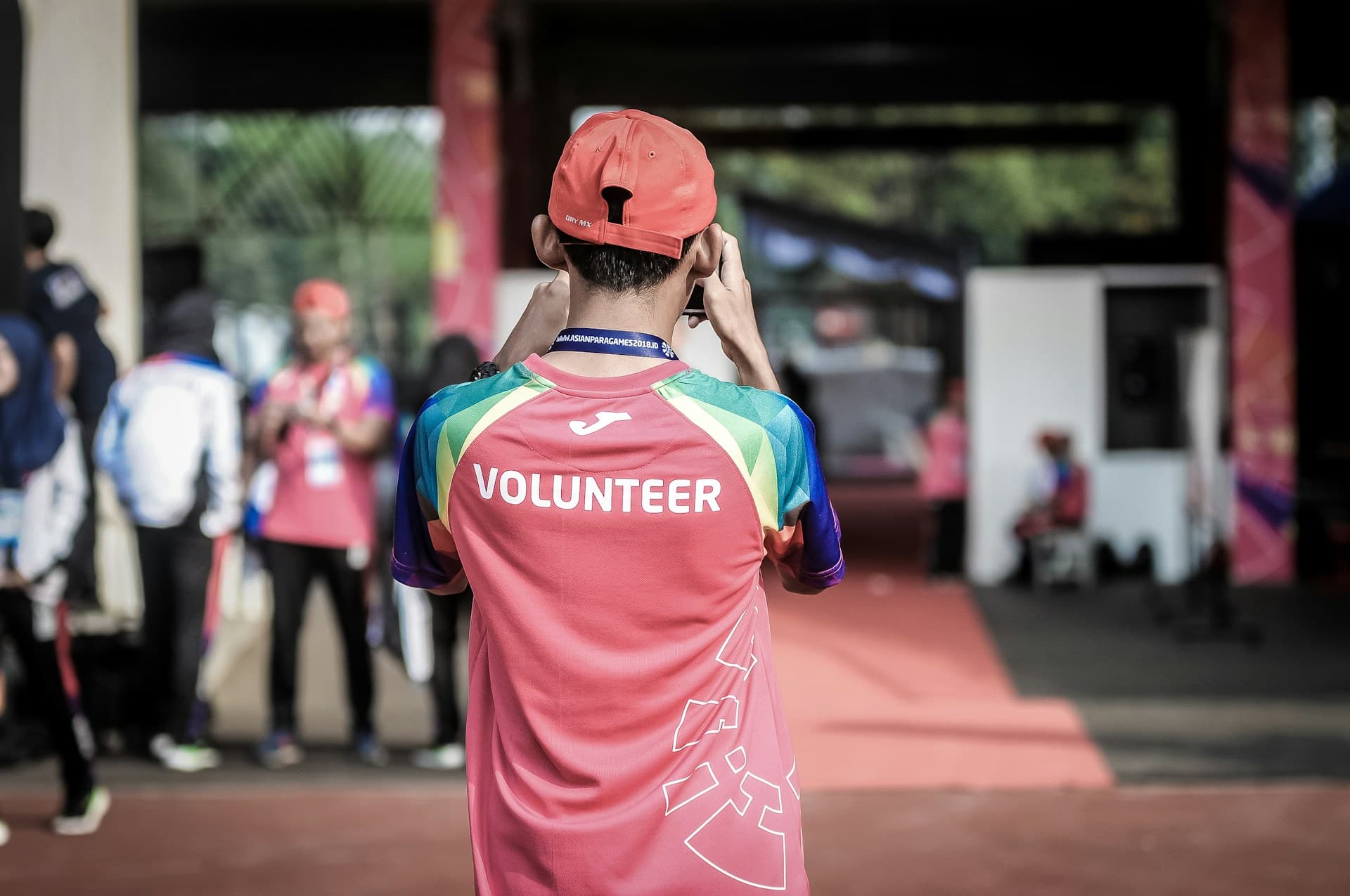
Work exchange programs let you trade 4-5 hours of daily work for free accommodation and often meals. The work varies: farming, hostel reception, teaching English, construction, childcare, animal care, and more.
Top Work Exchange Platforms
Worldpackers (worldpackers.com) charges $49/year and has over 3,500 hosts in 100+ countries. The platform is particularly strong in Southeast Asia and South America, with many hostel positions.
Workaway (workaway.info) costs $49/year and has over 50,000 hosts worldwide. Coverage is excellent in Europe, and the variety of positions is broader than Worldpackers.
WWOOF (wwoof.net) focuses specifically on organic farms. Membership costs vary by country ($20-$65) and provides access to hundreds of farms in that country. If you enjoy physical outdoor work and want to learn about sustainable agriculture, WWOOF is ideal.
HelpX (helpx.net) costs $20 for a 2-year membership and is popular in Australia, New Zealand, and Europe.
What to Expect
Most work exchanges require 20-25 hours per week. Some positions offer private rooms; others provide dorm-style shared accommodation. Meals are included at roughly 70% of positions. The quality of experiences varies dramatically -- read reviews carefully and communicate expectations clearly before arriving.
Best work exchange positions for travelers:
- Hostel reception: You work at the front desk, meet travelers, get a free bed, and often free meals. Many hostels in Southeast Asia and South America offer this.
- Language teaching: Particularly in demand in South America, Eastern Europe, and Southeast Asia. No formal teaching qualification is needed for most exchange positions.
- Farm stays in Europe: Especially popular in Italy, France, Spain, and Portugal. You might help with olive harvests, vineyard work, or cheese making.
Strategy 4: Credit Card Travel Rewards (Churning)
Credit card churning is the practice of strategically opening credit cards to earn sign-up bonuses, then using those points for free flights and hotels. Done responsibly, this can fund thousands of dollars in travel annually.
The Best Cards for Travel Rewards
Chase Sapphire Preferred: 60,000 bonus points after spending $4,000 in 3 months. Points transfer to United, Hyatt, Southwest, and others. Value: approximately $750-$1,200 in travel.
American Express Gold Card: 60,000 bonus points after spending $6,000 in 6 months. Points transfer to Delta, Air France/KLM, Hilton, and others. Value: approximately $720-$1,200 in travel.
Capital One Venture X: 75,000 bonus miles after spending $4,000 in 3 months. Redeemable at 1 cent per mile or transferable to partners. Value: approximately $750-$1,000 in travel.
Chase Ink Business Preferred: 100,000 bonus points after spending $8,000 in 3 months (business card, but sole proprietors qualify). Value: approximately $1,250-$2,000 in travel.
Important Rules for Responsible Churning
- Never carry a balance. Interest charges will erase any rewards value instantly.
- Track your spending requirements. Use a spreadsheet or the CardPointers app to monitor minimum spend deadlines.
- Know the Chase 5/24 rule. Chase will deny most applications if you have opened 5 or more personal credit cards in the past 24 months.
- Space out applications. Apply for one card every 3-4 months to minimize credit score impact.
- Only spend what you would normally spend. Shift existing expenses (groceries, gas, subscriptions, insurance) to new cards to meet minimums.
Strategy 5: Hitchhiking
Hitchhiking remains a viable and commonly practiced form of free transportation in many parts of the world. It is culturally accepted and widely practiced in parts of Europe, particularly in Eastern Europe, Scandinavia, and the Balkans. It is also common in New Zealand, parts of South America, and rural areas worldwide.
Where Hitchhiking Works Best
- New Zealand: Exceptionally hitchhiker-friendly. Average wait times of 10-20 minutes on main routes.
- Iceland: Small population, strong hitchhiking culture around the Ring Road during summer.
- Eastern Europe (Romania, Poland, Balkans): Common and culturally accepted. Drivers may even offer food.
- Patagonia (Argentina/Chile): Long distances, limited public transport, and a strong tradition of picking up travelers.
- Rural Japan: Surprisingly hitchhiker-friendly, especially on Hokkaido.
Practical Hitchhiking Tips
Use Hitchwiki (hitchwiki.org) to find recommended hitchhiking spots and read reports from other travelers. Stand in a well-lit, safe location where cars can easily pull over. Make a sign with your destination in the local language. Dress cleanly and smile. In Europe, BlaBlaCar (blablacar.com) is a paid alternative that bridges the gap between hitchhiking and public transport, with typical costs of $5-$15 for rides of 200-400 kilometers.
Strategy 6: Free Camping and Wild Camping
In many countries, wild camping (camping outside of designated campgrounds) is legal and free.
Countries Where Wild Camping Is Legal
- Sweden, Norway, Finland: "Allemansratten" (Right to Roam) allows camping almost anywhere on public and even private land for one night, as long as you leave no trace.
- Scotland: Similar right-to-roam laws. Wild camping is legal almost everywhere.
- New Zealand: Freedom camping is allowed in many areas with a self-contained vehicle. Check local regulations via the CamperMate app.
- United States: Dispersed camping on Bureau of Land Management (BLM) and National Forest land is free. Use FreeRoam (freeroam.app) or iOverlander (ioverlander.com) to find spots.
Gear for Budget Camping
You do not need expensive gear. A basic setup for 3-season camping:
- Tent: Naturehike Cloud Up 2 ($80-$100) or similar ultralight tent
- Sleeping bag: 3-season synthetic bag ($40-$80)
- Sleeping pad: Foam pad ($15-$25) or budget inflatable ($30-$50)
- Cooking: Compact butane stove ($15-$20) and a single pot
Total initial investment: $150-$275, which pays for itself within a few nights of free camping.
Strategy 7: Travel Grants and Funded Opportunities
Several organizations offer grants, fellowships, and funded programs for travelers.
Grants and Fellowships
- National Geographic Explorers Grant: Up to $35,000 for research, conservation, education, or storytelling projects.
- Fulbright Program: Fully funded study, research, or teaching abroad in over 160 countries.
- WWOOF and Peace Corps: Not grants per se, but fully funded volunteer programs with living stipends.
- Bonderman Fellowship (University of Washington): $20,000 for solo travel to multiple regions over 8 months. Must be a UW graduate.
- Thomas J. Watson Fellowship: $36,000 for graduating college seniors to pursue a year of independent travel and research.
Content Creation Grants
- Matador Network: Occasionally sponsors travel creators with trips and stipends.
- Tourism board press trips: Once you have an established blog or social media presence (10,000+ followers typically), tourism boards will invite you on fully funded press trips.
Strategy 8: Teaching English Abroad
Teaching English abroad typically provides a salary, free housing, and airfare reimbursement. While this is not "traveling for free" in the traditional sense, it funds extended living abroad with minimal upfront cost.
Best Countries for English Teaching
- South Korea (EPIK program): $1,600-$2,000/month salary, free furnished apartment, round-trip airfare, completion bonus. Requires a bachelor's degree and TEFL certificate.
- Japan (JET Programme): 3.36 million yen/year (approximately $22,000), subsidized housing, round-trip airfare.
- Vietnam: $1,200-$2,000/month at private language centers. Cost of living is $500-$800/month, leaving significant savings.
- Spain (Auxiliares de Conversacion): 700-1,000 euros/month stipend for 12-16 hours/week as a conversation assistant.
Strategy 9: Seasonal Work in Tourist Destinations
Seasonal work lets you live in desirable locations while earning enough to fund onward travel.
High-Demand Seasonal Positions
- Ski resort jobs (Alps, Rockies, New Zealand): Lift operators, instructors, hospitality staff. Many positions include housing, meals, and a ski pass.
- Summer camp counselors (USA): Programs like Camp America and CCUSA provide flights, visa sponsorship, room, board, and a stipend.
- Fruit picking (Australia, New Zealand): Earns $18-$28 AUD/hour. In Australia, 88 days of farm work qualifies you for a second-year Working Holiday Visa.
- Yacht crew (Mediterranean, Caribbean): Positions as deckhands, stewards, or cooks on charter yachts. Free accommodation, food, and salary. Check Dockwalk and Crew4Yachts for listings.
Strategy 10: Travel Blogging and Content Creation
Building a travel blog or social media presence can eventually fund your travels, though this is a long-term strategy rather than an immediate solution.
Revenue Streams for Travel Creators
- Affiliate marketing: Earn commissions recommending booking platforms, travel gear, and insurance. Travelpayouts aggregates travel affiliate programs.
- Sponsored content: Tourism boards and travel brands pay $200-$5,000+ per sponsored post depending on your audience size.
- Display advertising: Once your blog reaches 50,000+ monthly sessions, networks like Mediavine pay $15-$40 per 1,000 pageviews.
- Digital products: Sell travel guides, itineraries, Lightroom presets, or courses.
Realistic Timeline
Expect 12-24 months of consistent content creation before generating meaningful income. Most successful travel bloggers started while funding travel through other means on this list.
Strategy 11: Slow Travel to Reduce Costs
The fastest way to spend money while traveling is to move quickly. Every transit between cities costs money -- buses, trains, flights, taxis to stations, luggage fees. Slow travel flips this equation.
How Slow Travel Saves Money
- Weekly and monthly accommodation discounts: Airbnb offers 20-50% discounts for stays of 28+ days. Hostels often give weekly rates.
- Cooking at home: With a kitchen, you can eat for $3-$8 per day in most countries instead of $15-$30+ at restaurants.
- Reduced transit costs: Staying in one place for weeks eliminates intercity transport expenses.
- Local pricing: The longer you stay somewhere, the better you learn where locals eat, shop, and socialize -- which is always cheaper than tourist areas.
Cheapest Long-Stay Destinations
- Chiang Mai, Thailand: $500-$800/month including a furnished apartment, coworking space, and food.
- Tbilisi, Georgia: $400-$700/month. One of Europe's most affordable capitals.
- Oaxaca, Mexico: $600-$1,000/month in a comfortable apartment with a vibrant food and culture scene.
- Da Nang, Vietnam: $400-$650/month. Beach city with excellent infrastructure.
- Medellin, Colombia: $500-$900/month. Spring-like weather year-round.
Strategy 12: Combining Multiple Strategies
The most effective approach is layering several strategies together. Here is what a realistic year of nearly-free travel might look like:
Months 1-2: House sitting in London and Paris. Apply 2-3 months in advance on TrustedHousesitters. Cost: $0 accommodation, $200-$400 for food (cooking in the homes).
Month 3: WWOOF in Tuscany. Work on an organic farm 4-5 hours/day. Free room and board. Cost: $0.
Months 4-5: Workaway at a hostel in Lisbon. Free bed and breakfast in exchange for front desk shifts. Cost: $300-$500 for food and activities.
Month 6: Hitchhike and wild camp through Scandinavia. Right to roam makes this free. Cost: $200-$400 for food.
Months 7-8: House sitting in Sydney. Long sit caring for two dogs. Cost: $0 accommodation, $300-$500 for food.
Months 9-10: Fruit picking in Queensland, Australia. Earn $3,000-$4,000 while getting second-year visa eligibility. Shared worker accommodation costs $120-$150/week.
Months 11-12: Travel Southeast Asia on savings. $30-$50/day budget covers everything in Thailand, Vietnam, Cambodia, or Indonesia.
Total cost for 12 months of travel: approximately $3,000-$6,000 -- less than many people spend on a two-week vacation.
Planning Your No-Budget Adventure
Coordinating multiple strategies across different countries and timelines requires careful planning. Booking windows for house sits, work exchanges, and seasonal jobs all overlap, and missing a deadline can derail months of plans. TripGenie can help you organize your travel timeline, track application deadlines, and structure complex multi-destination itineraries so nothing falls through the cracks.
The Real Cost of "Free" Travel
Every strategy in this guide involves a trade-off. House sitting requires flexibility and responsibility. Work exchanges trade labor for accommodation. Hitchhiking trades time for money. Credit card churning requires financial discipline and good credit.
None of these strategies are truly free -- they cost time, effort, flexibility, or some combination of the three. But for travelers who are rich in resourcefulness and willing to embrace unconventional approaches, the world is remarkably accessible regardless of bank account balance.
The travelers I have met who successfully cross continents on almost nothing share a common trait: they view constraints not as limitations but as creative challenges. Limited money forces you to interact with locals, learn languages, develop practical skills, and experience places at a depth that resort tourists never reach. In many ways, traveling with less money leads to richer experiences.
Start with one strategy from this list. Master it. Then layer in a second. Before long, you will have built a toolkit that makes the world accessible on any budget -- or no budget at all.
Topics

Written by
TripGenie Team
The TripGenie team is passionate about making travel planning effortless with AI. We combine travel expertise with cutting-edge technology to help you explore the world.
@tripgenieGet Travel Tips Delivered Weekly
Get our best travel tips, destination guides, and exclusive deals delivered straight to your inbox every week.
No spam, ever. Unsubscribe anytime.