
Two Southeast Asian Giants, Very Different Experiences
The Philippines and Thailand are both Southeast Asian tropical destinations with stunning beaches, warm hospitality, and affordable travel costs. On the surface, they might seem interchangeable. They are not.
Thailand is the polished, well-oiled tourism machine of Southeast Asia. Infrastructure is excellent, tourist trails are well-established, and the country has been perfecting its hospitality industry for decades. The Philippines is the rawer, more adventurous sibling -- wilder beaches, harder logistics, more genuine surprise, and an English-speaking population that makes spontaneous connection easier.
I have spent significant time in both countries across multiple trips, and the question I get asked most is: "Which should I visit first?" The honest answer is that it depends on who you are as a traveler. This guide breaks down every major category so you can make the right call.
The Quick Comparison Table
| Category | Philippines | Thailand |
|---|---|---|
| Daily Budget (mid-range) | $50-80 USD | $40-70 USD |
| Best Beaches | More pristine, harder to reach | More accessible, more developed |
| Food Scene | Good, underrated | World-class |
| Nightlife | Decent (Boracay, Manila) | Exceptional (Bangkok, islands) |
| Infrastructure | Developing, can be challenging | Excellent for Southeast Asia |
| Safety | Generally safe, some regional concerns | Generally safe |
| English Proficiency | Excellent (official language) | Limited outside tourist areas |
| Visa (most nationalities) | 30 days visa-free | 30-60 days visa-free |
| Diving | World-class, more affordable | Very good, well-organized |
| Island Hopping | Extraordinary, more remote | Easy, well-connected |
| Cultural Depth | Spanish-Asian fusion, unique | Buddhist, deeply traditional |
| Getting There | Fewer direct international flights | Major international hub |
| Internal Transport | Challenging, weather-dependent | Efficient, multiple options |
| Rainy Season | June-November (typhoon belt) | May-October (varies by coast) |
Daily Costs: Detailed Breakdown
Budget Traveler (Dorms, Street Food, Public Transport)
| Expense | Philippines | Thailand |
|---|---|---|
| Hostel dorm bed | $8-15 | $6-12 |
| Local meal | $2-4 | $1.50-3 |
| Beer (local brand) | $1-2 | $1.50-2.50 |
| Local transport (per trip) | $0.50-3 | $0.30-2 |
| Daily Total | $25-40 | $20-35 |
Mid-Range Traveler (Private Room, Restaurants, Some Activities)
| Expense | Philippines | Thailand |
|---|---|---|
| Mid-range hotel | $30-60 | $25-50 |
| Restaurant meal | $5-10 | $4-8 |
| Activity/tour | $15-40 | $10-30 |
| Transport (mix of options) | $5-15 | $3-10 |
| Daily Total | $50-80 | $40-70 |
Luxury Traveler (Resorts, Fine Dining, Private Transfers)
| Expense | Philippines | Thailand |
|---|---|---|
| Luxury resort | $150-400+ | $100-350+ |
| Fine dining | $20-50 | $15-40 |
| Private transfers | $30-80 | $20-60 |
| Spa/premium activities | $30-80 | $20-60 |
| Daily Total | $200-500+ | $150-400+ |
Verdict: Thailand is slightly cheaper overall, particularly for food and budget accommodation. The Philippines narrows the gap at the mid-range and luxury levels. Both are excellent value compared to Western destinations.
Beaches: The Main Event
Philippines Beaches
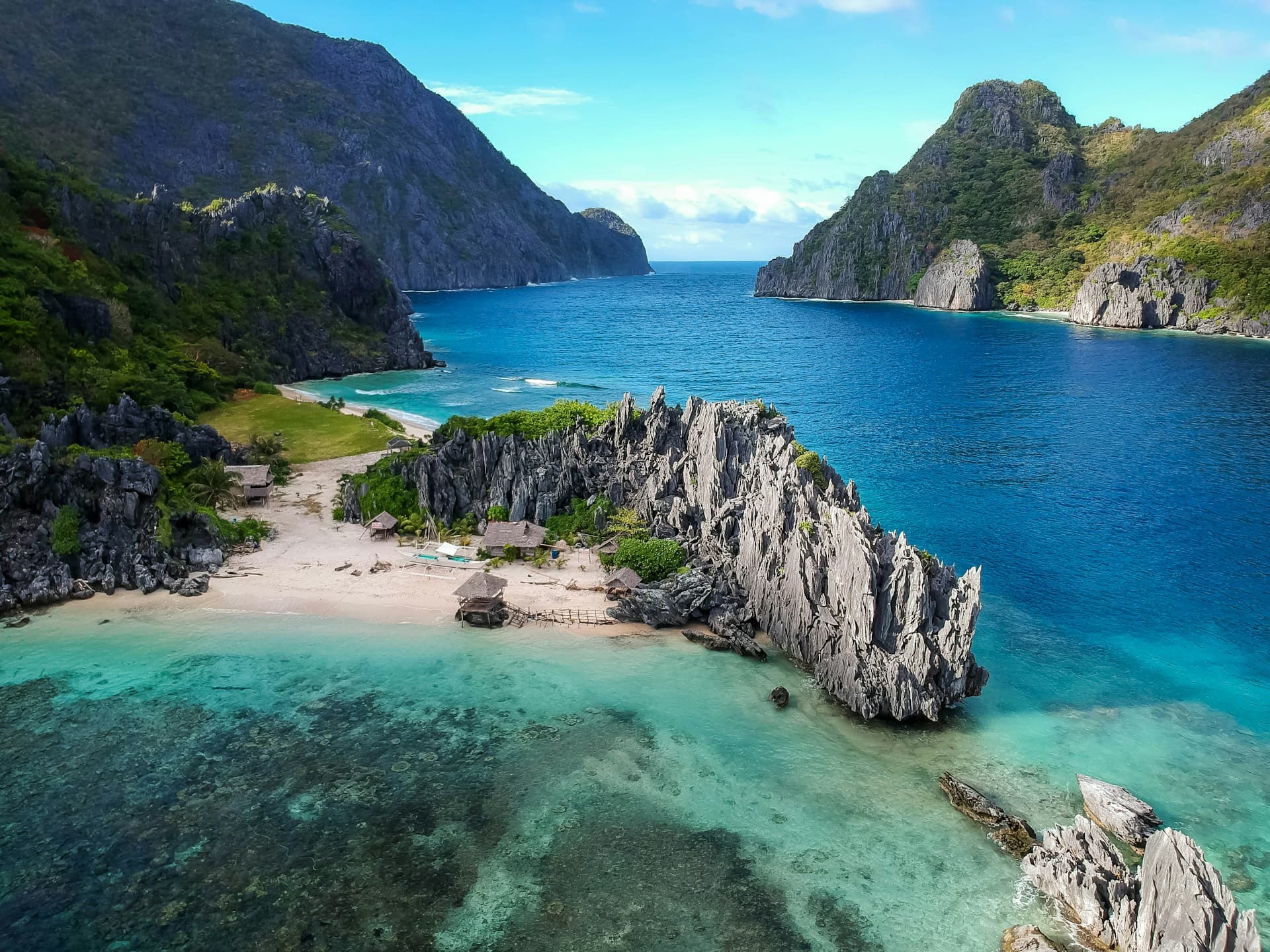
The Philippines has over 7,600 islands. Let that number sink in. The sheer quantity and diversity of beach environments is staggering. Many of the best beaches require effort to reach, which keeps them uncrowded and pristine.
Standout Beaches:
- El Nido, Palawan: Dramatic limestone karst islands rising from turquoise water. Big Lagoon and Small Lagoon are accessed by kayak through narrow cliff openings. Island-hopping tours run $20-30 per person for a full day including lunch.
- Nacpan Beach, Palawan: Four kilometers of empty golden sand with a handful of basic beachfront restaurants. Feels like a beach from 30 years ago.
- Siargao: The surfing capital of the Philippines. Cloud 9 is the famous break, but the island has a laid-back vibe that extends well beyond surfing. Board rentals $4-6 per hour. Lessons $15-20.
- Boracay (White Beach): The famous powdery white sand beach. Boracay was closed for 6 months in 2018 for environmental rehabilitation and reopened with stricter regulations. It remains stunning but is the most commercialized beach destination in the Philippines.
- Coron, Palawan: Known for wreck diving and pristine lakes hidden inside limestone islands. Kayangan Lake and Barracuda Lake are bucket-list swims.
- Bantayan Island, Cebu: Off the northern tip of Cebu, this small island offers gorgeous white sand beaches without the crowds of Boracay. Still relatively undiscovered by international tourists.
Thailand Beaches
Thailand's beaches are more developed, more accessible, and more diverse in their offerings -- from party islands to family-friendly resorts to quiet hideaways.
Standout Beaches:
- Koh Lipe: The "Maldives of Thailand." Crystal-clear water, excellent snorkeling right off the beach, and a relaxed island atmosphere. Accessible by speedboat from Pak Bara or by ferry from Langkawi, Malaysia.
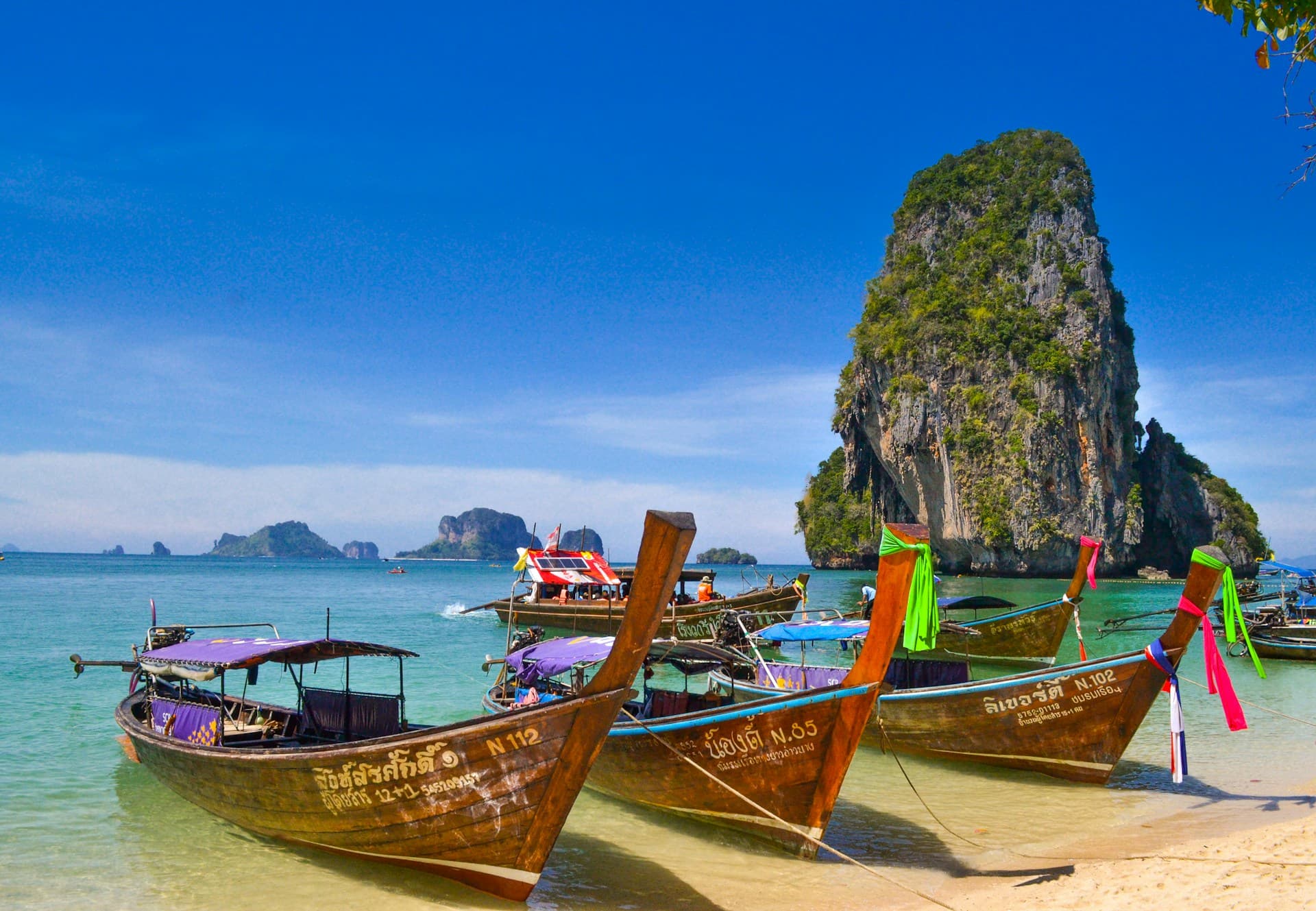
- Railay Beach, Krabi: Only accessible by boat, surrounded by towering limestone cliffs. World-class rock climbing directly above the beach.
- Koh Phi Phi: Iconic and beautiful, but heavily touristed. Maya Bay (from "The Beach" film) has reopened with visitor limits.
- Koh Samui: The family-friendly option with luxury resorts, good infrastructure, and reliable flights from Bangkok.
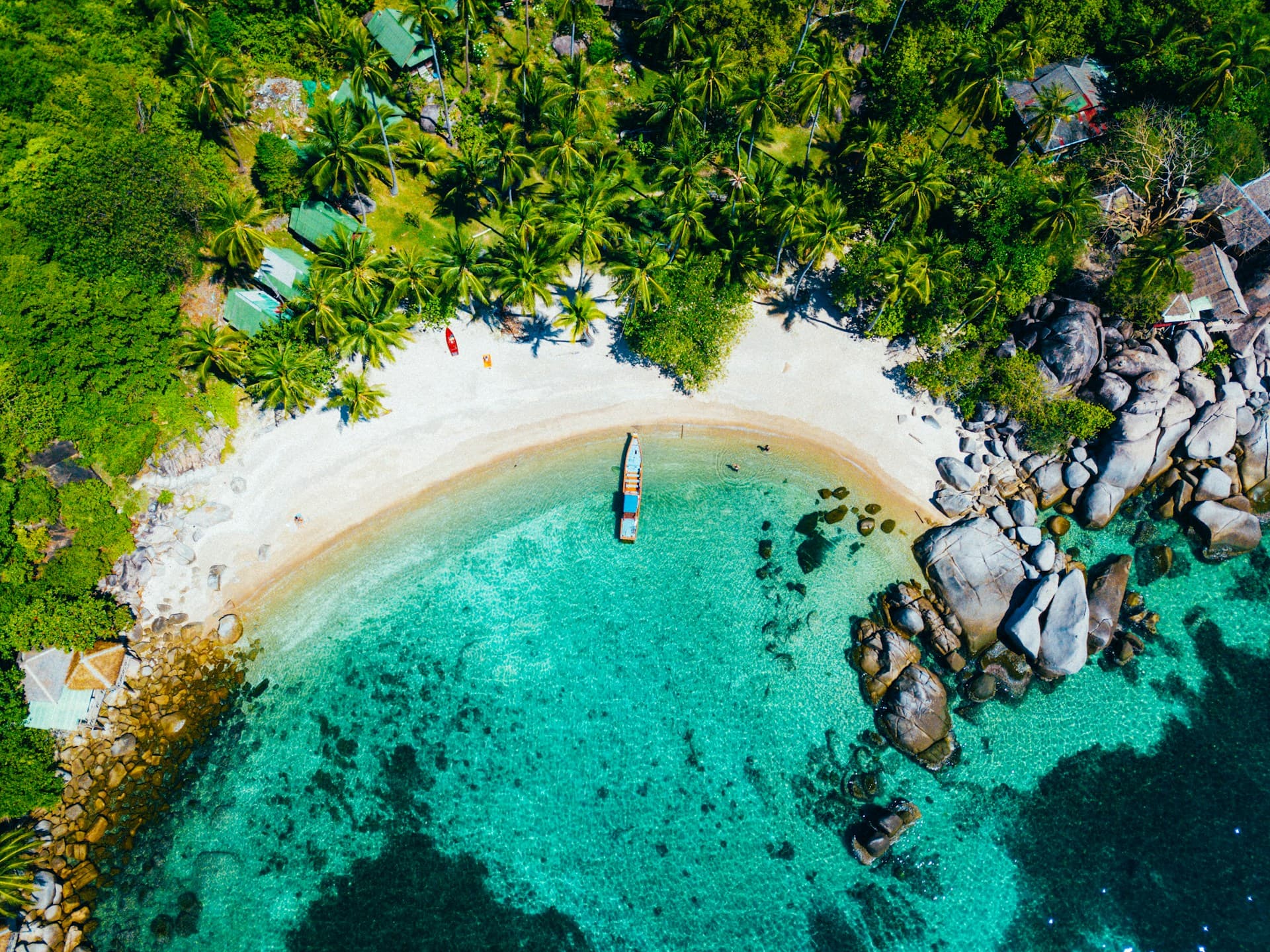
- Koh Tao: Diving island. One of the cheapest places in the world to get PADI certified ($200-300 for Open Water). Small enough to explore on foot or motorbike.
- Similan Islands: National marine park open November through May only. Some of Thailand's best diving and snorkeling.
Verdict: The Philippines wins for raw, unspoiled beauty and sheer variety. Thailand wins for accessibility, infrastructure, and the ability to combine beach time with everything else. If your perfect beach is one you share with 10 other people, go to the Philippines. If you want great beaches with great restaurants and easy logistics nearby, Thailand delivers.
Food
Philippines Cuisine
Filipino food has historically been underrated in global food discourse, but that is changing. The cuisine is a unique blend of Malay, Spanish, Chinese, and American influences.
Must-Try Dishes:
- Adobo: Braised meat (chicken or pork) in vinegar, soy sauce, garlic, and bay leaves. The national dish, and every family has their own recipe.
- Sinigang: Sour soup made with tamarind, tomatoes, and meat or seafood. Deeply comforting.
- Lechon: Whole roasted pig with crackling skin. Cebu lechon is considered the best.
- Kare-kare: Oxtail and vegetable stew in peanut sauce, served with shrimp paste.
- Halo-halo: Shaved ice dessert loaded with sweet beans, jellies, fruit, leche flan, ube (purple yam) ice cream, and evaporated milk.
Street Food Culture: Active and affordable. Look for barbecue sticks (isaw, chicken intestine skewers -- better than they sound), fish balls, and kwek-kwek (battered quail eggs).
Thailand Cuisine
Thai food is one of the world's great cuisines, and eating in Thailand is consistently one of the best food experiences available anywhere at any price point.
Must-Try Dishes:
- Pad Thai: Stir-fried rice noodles with shrimp, egg, tofu, peanuts, and lime. The tourist classic, and for good reason.
- Som Tum (Green Papaya Salad): Spicy, sour, sweet, and salty in one dish. Northeastern (Isaan) style is the most authentic.
- Tom Yum Goong: Hot and sour shrimp soup with lemongrass, galangal, and kaffir lime leaves. A perfect dish.
- Khao Soi: Northern Thai coconut curry noodle soup. Best in Chiang Mai. A must-eat.
- Massaman Curry: Rich, mild curry with peanuts, potatoes, and meat. Influenced by Persian cuisine.
- Mango Sticky Rice: Seasonal dessert (March-May when mangoes peak). Sweet, creamy, and addictive.
Street Food Culture: Legendary. Bangkok's street food scene alone could fill a month of exploration. Yaowarat Road (Chinatown), Sukhumvit Soi 38, and the street stalls outside any BTS station deliver outstanding food for 40-80 THB ($1.10-2.20 USD) per dish.
Verdict: Thailand wins the food comparison decisively. Thai cuisine has more range, more complexity, and is available at an extraordinary quality-to-price ratio. Filipino food is good and improving, but it does not yet match Thailand's depth.
Nightlife
Philippines
- Manila: Poblacion in Makati is the current nightlife hub -- rooftop bars, speakeasies, and clubs packed into a walkable neighborhood. BGC (Bonifacio Global City) has upscale lounges and bars.
- Boracay: The most consistent party scene in the Philippines. Beachfront bars on White Beach (Stations 1-3) with fire dancers and DJ sets.
- Siargao: Laid-back island bar scene. More sundown cocktails than club culture.
Thailand
- Bangkok: One of Asia's best nightlife cities. Khao San Road (backpacker party strip), Sukhumvit (rooftop bars like Octave at the Marriott, speakeasies like Tropic City), RCA (club district), and Thonglor (trendy bar scene). Full-moon party vibes without leaving the city.
- Koh Phangan: The original Full Moon Party. Haad Rin beach attracts thousands monthly for all-night beach raves. Half Moon and Jungle parties are popular alternatives.
- Phuket: Bangla Road in Patong is loud, neon, and intense. Not everyone's cup of tea, but undeniably energetic.
- Chiang Mai: More relaxed. Night bazaar, craft cocktail bars, and rooftop spots on Nimmanhaemin Road.
Verdict: Thailand wins comprehensively. The range and quality of nightlife, from street-level Khao San Road chaos to world-class cocktail bars, is unmatched in Southeast Asia.
Infrastructure and Getting Around
Philippines
Infrastructure is the Philippines' biggest weakness as a travel destination. Getting between islands often involves:
- Domestic flights that are frequently delayed or cancelled, especially during typhoon season
- Multi-hour ferry rides on boats of varying quality
- Tricycles, jeepneys, and habal-habal (motorcycle taxis) for local transport
- Roads that range from good (main highways in Luzon) to terrible (rural island roads)
- Wi-Fi that is slow and unreliable outside major cities
Domestic Airlines: Cebu Pacific and Philippines AirAsia offer budget domestic flights. Philippine Airlines is the full-service option. Manila to El Nido takes 1 hour 15 minutes by air (vs. 8+ hours by bus and boat). Book directly on airline websites.
Island Hopping: The Philippines' greatest logistical challenge and its greatest reward. Getting from Manila to a remote Palawan beach might take a full day of transfers. But when you arrive, you often have paradise largely to yourself.
Thailand
Thailand's tourism infrastructure is outstanding for the region:
- Extensive domestic flight network (AirAsia, Nok Air, Thai Lion Air, Bangkok Airways)
- Modern bus system with VIP overnight buses between major cities ($15-30)
- Efficient train network including overnight sleepers (Bangkok to Chiang Mai, 12 hours, $20-50)
- Reliable ferry networks between islands with online booking through 12Go.asia
- Ride-hailing apps (Grab, Bolt) work nationwide
- Good-to-excellent 4G/5G coverage and Wi-Fi
Verdict: Thailand wins by a wide margin. The infrastructure gap is the single biggest practical difference between these two countries. If you have limited time and want to cover multiple destinations efficiently, Thailand is far easier.
Diving
Both countries offer world-class diving, but with different character.
Philippines Diving
- Tubbataha Reefs Natural Park: UNESCO World Heritage Site in the Sulu Sea. Only accessible by liveaboard (March-June). Considered one of the world's top 10 dive sites. Liveaboard trips run $2,000-3,500 for 6-7 days.
- Moalboal, Cebu: Famous for its resident sardine run (millions of sardines in a swirling bait ball, accessible from shore) and easy access to whale sharks at nearby Oslob.
- Coron: WWII Japanese wreck diving. Twelve sunken warships in diveable conditions.
- Malapascua, Cebu: The only place in the world with almost guaranteed daily sightings of thresher sharks at Monad Shoal.
- PADI Open Water certification: $250-350, among the cheapest globally.
Thailand Diving
- Richelieu Rock: Thailand's most famous dive site, in the Similan/Surin area. Whale sharks and manta rays from February through May. Liveaboards run $800-2,000 for 4 days.
- Koh Tao: The diving factory of Southeast Asia. Hundreds of new divers get certified here monthly. PADI Open Water costs $200-300.
- Similan Islands: Pristine reefs, large pelagics, and crystal visibility. Open November through May only.
- Koh Lanta and Koh Phi Phi: Good reef diving with manta ray encounters from November through April.
Verdict: The Philippines has a slight edge for serious divers -- more varied dive environments, rare marine life encounters (thresher sharks, whale sharks), and iconic wreck diving. Thailand has better-organized dive operations and easier access for beginners.
Safety
Philippines
The Philippines is generally safe for tourists, with some important caveats:
- Mindanao: The southern island has areas with ongoing security concerns. The cities of Davao and Cagayan de Oro are considered safe, but travel advisories exist for parts of the Sulu Archipelago and the Bangsamoro region.
- Natural Disasters: The Philippines sits in the typhoon belt. June through November brings typhoon risk, with August through October being the highest-risk months. Check forecasts and have flexible plans.
- Petty Crime: Standard precautions apply in Manila and tourist areas. Pickpocketing and scams targeting tourists occur but are not unusually prevalent.
Thailand
Thailand is one of the safest countries in Southeast Asia for tourists:
- Petty Crime: Low overall. Bag-snatching on motorbike can occur in Bangkok. Use cross-body bags.
- Scams: More common than violent crime. Tuk-tuk scams (drivers taking you to gem shops), jet-ski damage scams in Phuket, and inflated taxi fares are the main concerns. Use Grab for rides to avoid meter disputes.
- Road Safety: Motorbike accidents are the leading cause of tourist injuries and deaths. If you rent a motorbike, wear a helmet, have experience, and get proper travel insurance.
- Southern Border: The provinces of Pattani, Yala, and Narathiwat near the Malaysian border have an ongoing insurgency. Tourist areas are not affected.
Verdict: Both are generally safe. Thailand has a slight edge for overall tourist safety and infrastructure for handling emergencies. The Philippines' typhoon risk is a factor that Thailand largely avoids.
When Each Country Wins
Choose the Philippines If...
- You want uncrowded, pristine beaches that feel genuinely undiscovered
- Diving is a major priority, especially wreck diving or rare marine life
- You value spontaneous connections with English-speaking locals
- You are an adventurous traveler comfortable with imperfect logistics
- Surfing is on your list (Siargao is world-class)
- You want to get off the beaten path in Southeast Asia
Choose Thailand If...
- This is your first trip to Southeast Asia
- Food is a top priority
- You want reliable infrastructure and easy planning
- Nightlife matters to you
- You are traveling with family or on a tight schedule
- You want to combine temples, beaches, mountains, and cities in one trip
- You are a digital nomad (Chiang Mai and Bangkok have outstanding coworking infrastructure)
Choose Both If...
You have three weeks or more. A common route: Bangkok (3-4 days) then fly to Chiang Mai (3-4 days) then fly to a Thai island (4-5 days) then fly from Bangkok to Manila (3-hour flight) then fly to Palawan or Siargao (5-7 days). Budget flights between Bangkok and Manila on AirAsia run $80-150 one-way.
Plan Your Southeast Asia Trip with TripGenie
Whether you choose the Philippines, Thailand, or both, TripGenie can build a day-by-day itinerary that handles the complex logistics of island-hopping, flight connections, ferry schedules, and activity sequencing. This is particularly valuable for the Philippines, where transport between islands requires careful planning to avoid wasted days. Input your dates, budget, and must-see destinations, and get a plan that maximizes your time in paradise.
The Final Word
Both the Philippines and Thailand are exceptional destinations that deliver far more than their price tags suggest. Thailand is the easier choice -- better food, better infrastructure, more polished. The Philippines is the more rewarding choice for travelers willing to work for their experiences. The pristine lagoons of El Nido, the thresher sharks of Malapascua, the surf breaks of Siargao -- these are experiences that Thailand simply does not replicate.
If I had to send a first-time Southeast Asia traveler to one country, I would say Thailand. It sets the bar high, and the logistics never get in the way of the experience. But if that same traveler came back and asked where to go next, I would say the Philippines without hesitation. It is the trip that stays with you longer.
Topics

Written by
TripGenie Team
The TripGenie team is passionate about making travel planning effortless with AI. We combine travel expertise with cutting-edge technology to help you explore the world.
@tripgenieGet Travel Tips Delivered Weekly
Get our best travel tips, destination guides, and exclusive deals delivered straight to your inbox every week.
No spam, ever. Unsubscribe anytime.