
Two Iberian Neighbors, Surprisingly Different Personalities
Portugal and Spain share a peninsula, a border, and a general Mediterranean vibe. But spend a few days in each, and the differences become obvious. Portugal is quieter, more melancholic, more intimate. Spain is louder, more flamboyant, more extroverted. Portugal whispers; Spain shouts. Both are magnificent.
The question of which to visit is one I hear constantly, and the honest answer is that both belong on your travel list. But if you have one trip and two weeks, this guide will help you make the right call based on your priorities, budget, and travel style.
The Quick Comparison
| Category | Portugal | Spain |
|---|---|---|
| Daily Budget (mid-range) | $80-130 | $90-150 |
| Food Quality | Excellent, seafood-focused | Exceptional, incredible range |
| Wine | Port, Vinho Verde, Douro reds | Rioja, Ribera del Duero, Cava, Sherry |
| Beaches | Atlantic (cooler, wilder) | Mediterranean + Atlantic (varied) |
| Cities | Lisbon, Porto (intimate, hilly) | Barcelona, Madrid, Seville (grand, diverse) |
| Nightlife | Good (Lisbon, Porto) | Outstanding (Madrid, Barcelona, Ibiza) |
| Safety | Very safe (one of safest in Europe) | Very safe |
| Language Barrier | Moderate (English widely spoken in tourism) | Moderate (English in tourist areas) |
| Getting Around | Easy, compact country | Excellent rail, larger distances |
| Crowds | Growing but still manageable | Heavy in peak season |
| Culture | Fado, tiles, maritime heritage | Flamenco, bullfighting, festivals |
| Size | Small (fits many highlights in 2 weeks) | Large (need to choose regions) |
Cost Comparison: Where Your Money Goes Further
Accommodation
Portugal has traditionally been one of Western Europe's best values, though Lisbon and Porto have seen significant price increases in recent years due to tourism growth and the digital nomad boom.
| Accommodation Type | Portugal (avg/night) | Spain (avg/night) |
|---|---|---|
| Hostel dorm | $15-25 | $18-30 |
| Mid-range hotel (double) | $80-140 | $90-160 |
| Boutique hotel | $120-220 | $130-250 |
| Luxury hotel | $200-400+ | $250-500+ |
| Airbnb (1-bedroom apartment) | $60-110 | $70-130 |
Food and Drink
| Item | Portugal | Spain |
|---|---|---|
| Coffee (espresso/cafe) | $0.80-1.20 | $1.20-1.80 |
| Beer (draft, local) | $1.50-3 | $2-3.50 |
| Glass of wine | $2-4 | $2.50-5 |
| Meal at local restaurant | $8-15 | $10-18 |
| Fine dining tasting menu | $60-120 | $80-200 |
| Pastel de nata (Portuguese tart) | $1.20 | N/A |
| Pintxos/tapas (per piece) | N/A | $2-4 |
Transport
| Route | Portugal | Spain |
|---|---|---|
| Metro single ride (Lisbon/Madrid) | $1.65 | $1.65-2.10 |
| Train Lisbon-Porto / Madrid-Barcelona | $20-40 (2.5 hours) | $30-80 (2.5 hours AVE) |
| Full-day car rental | $25-45 | $25-50 |
| Budget airline domestic flight | $20-50 | $20-60 |
Verdict: Portugal is 10-20% cheaper than Spain on average, with the gap most noticeable in food, drink, and everyday expenses. Both are significantly more affordable than France, Italy, or the UK.
Food: The Deciding Factor for Many Travelers
Portugal's Culinary Identity
Portuguese food is honest, ingredient-driven, and deeply connected to the sea. It does not aim for the fireworks of Spanish tapas culture. Instead, it delivers simple dishes executed with care and the finest ingredients.
Essential Portuguese Foods:
- Bacalhau (Salt Cod): The Portuguese claim to have 365 recipes for bacalhau, one for each day of the year. Bacalhau a Bras (shredded cod with eggs, potatoes, and olives), Bacalhau com Natas (baked with cream), and Bacalhau a Lagareiro (roasted with olive oil and potatoes) are the most popular.
- Pastel de Nata: Custard tarts with flaky pastry and a caramelized top. Pasteis de Belem in Lisbon (near the Jeronimos Monastery) is the most famous bakery, using a recipe from 1837. Expect a line, but it moves quickly. $1.30 per tart.
- Francesinha: Porto's legendary sandwich -- layers of ham, sausage, and steak between bread, covered in melted cheese and drowned in a spicy tomato-beer sauce, served with fries. It is gloriously excessive. Cafe Santiago and Bufete Fase in Porto are two traditional spots ($8-12).
- Grilled Sardines: The national snack, especially during June's Santo Antonio festival in Lisbon. Best eaten at outdoor grills with bread and a glass of Vinho Verde.
- Cataplana: An Algarve specialty -- seafood stewed in a clam-shaped copper pot with tomatoes, peppers, and white wine.
- Arroz de Marisco: Seafood rice, Portugal's answer to paella but with a soupier, more intensely flavored broth.
Spain's Culinary Identity
Spain's food scene is one of the world's best, full stop. The combination of regional diversity, tapas culture, avant-garde molecular gastronomy, and a deeply rooted respect for ingredients makes eating in Spain a constant revelation.
Essential Spanish Foods:
- Tapas: The culture of small shared plates is Spain's greatest gift to the dining world. In cities like Granada and parts of Andalusia, a free tapa comes with every drink you order. In San Sebastian, the Basque version (pintxos) reaches an art form -- the bars of the Parte Vieja district in San Sebastian are one of the world's great culinary experiences.
- Jamon Iberico: Spanish cured ham, specifically Jamon Iberico de Bellota (acorn-fed Iberian pigs), is arguably the finest cured meat in the world. A plate at a good ham bar in Madrid (Lateral, Cinco Jotas) runs $15-25 and is worth every cent.
- Paella: Authentic Valencian paella uses rabbit, chicken, green beans, and snails -- not seafood. Seafood rice dishes exist but are not technically paella. For the real thing, eat in Valencia. La Pepica and Casa Carmela are classic choices ($15-20 per person).
- Pintxos in San Sebastian: The old town (Parte Vieja) contains the densest concentration of culinary excellence per square meter in Europe. Bar-hop from Gandarias to La Cuchara de San Telmo to A Fuego Negro, eating 2-3 pintxos at each bar ($2-4 per pintxo).
- Gazpacho and Salmorejo: Cold tomato soups that define Andalusian summer. Salmorejo (from Cordoba) is thicker, creamier, and topped with hard-boiled egg and jamon.
- Tortilla Espanola: Spanish omelette with potatoes and onions. Served everywhere from gas stations to Michelin-starred restaurants.
Verdict: Spain wins the food comparison. It is not that Portuguese food is bad -- it is very good, particularly for seafood. But Spain's range (Basque Country, Catalonia, Andalusia, Valencia, Galicia -- each with a distinct culinary identity), the tapas/pintxos culture, and the sheer density of excellent restaurants make it one of the world's top food destinations. Portugal's advantage is value -- you eat very well for less money.
Beaches
Portugal's Beaches
Portugal's coastline faces the Atlantic Ocean, which means cooler water temperatures (16-22 degrees Celsius depending on region and season) and stronger waves compared to Spain's Mediterranean coast. This creates a different beach culture -- more surfing, more dramatic cliffs, more raw natural beauty.
Top Beach Regions:
- Algarve: Southern Portugal's famous coastline features golden sandstone cliffs, hidden coves, and some of Europe's most photogenic beaches. Praia da Marinha, Benagil Cave (accessible by kayak or boat, entry to the cave itself is free but you need a way to reach it -- kayak rentals $20-30), and Praia do Camilo are highlights. The Algarve is the warmest part of Portugal with the most sun.
- Costa Vicentina: The wild, undeveloped southwestern coast. Protected as a natural park, the beaches here are dramatic, uncrowded, and perfect for surfers. Praia do Amado and Arrifana are top surf spots.
- Cascais and the Lisbon Coast: Day-trip beaches from Lisbon. Praia do Guincho is a famous surf and windsurf beach 30 minutes from Cascais.
- Porto and the North: Cooler water and a rougher Atlantic feel. Not classic beach holiday territory, but the coastline is beautiful.
Spain's Beaches
Spain has both Atlantic and Mediterranean coastline, offering dramatically different beach experiences.
Top Beach Regions:
- Balearic Islands (Mallorca, Menorca, Ibiza, Formentera): Formentera has Caribbean-quality turquoise water. Menorca's Cala Macarella and Cala Turqueta are pristine coves. Mallorca combines beach resorts with mountain hikes in the Serra de Tramuntana.
- Costa Brava (Catalonia): Rocky coves north of Barcelona. Tossa de Mar, Cadaques (where Dali lived), and the Cap de Creus natural park.
- Basque Country: Dramatic surfing beaches (Mundaka, Zarautz) in a green, mountainous setting. Water is cooler but the scenery is outstanding.
- Canary Islands: Technically off the coast of Africa. Year-round warm weather. Fuerteventura and Lanzarote have white sand beaches; Tenerife has volcanic black sand.
- Andalusia: Long, sandy beaches along the Costa de la Luz (Atlantic side) near Tarifa -- Europe's wind and kite surfing capital.
Verdict: It depends on what you want. Portugal wins for surf culture, dramatic cliff-backed beaches, and wild, unspoiled coastline. Spain wins for warm-water swimming (Mediterranean), island hopping (Balearics, Canaries), and beach variety. If you want to swim in warm, calm water, Spain's Mediterranean coast is the clear choice.
Cities
Portugal's Cities
Portugal's urban highlights are Lisbon and Porto. Both are compact, walkable, and deeply photogenic.
Lisbon: Built on seven hills, Lisbon is a city of miradouros (viewpoints), azulejo-tiled facades, and winding tram routes. Alfama is the oldest neighborhood, with Fado bars and labyrinthine streets. Belem houses the Jeronimos Monastery and the Tower of Belem. LX Factory is the creative hub. The city is manageable in 3-4 days.
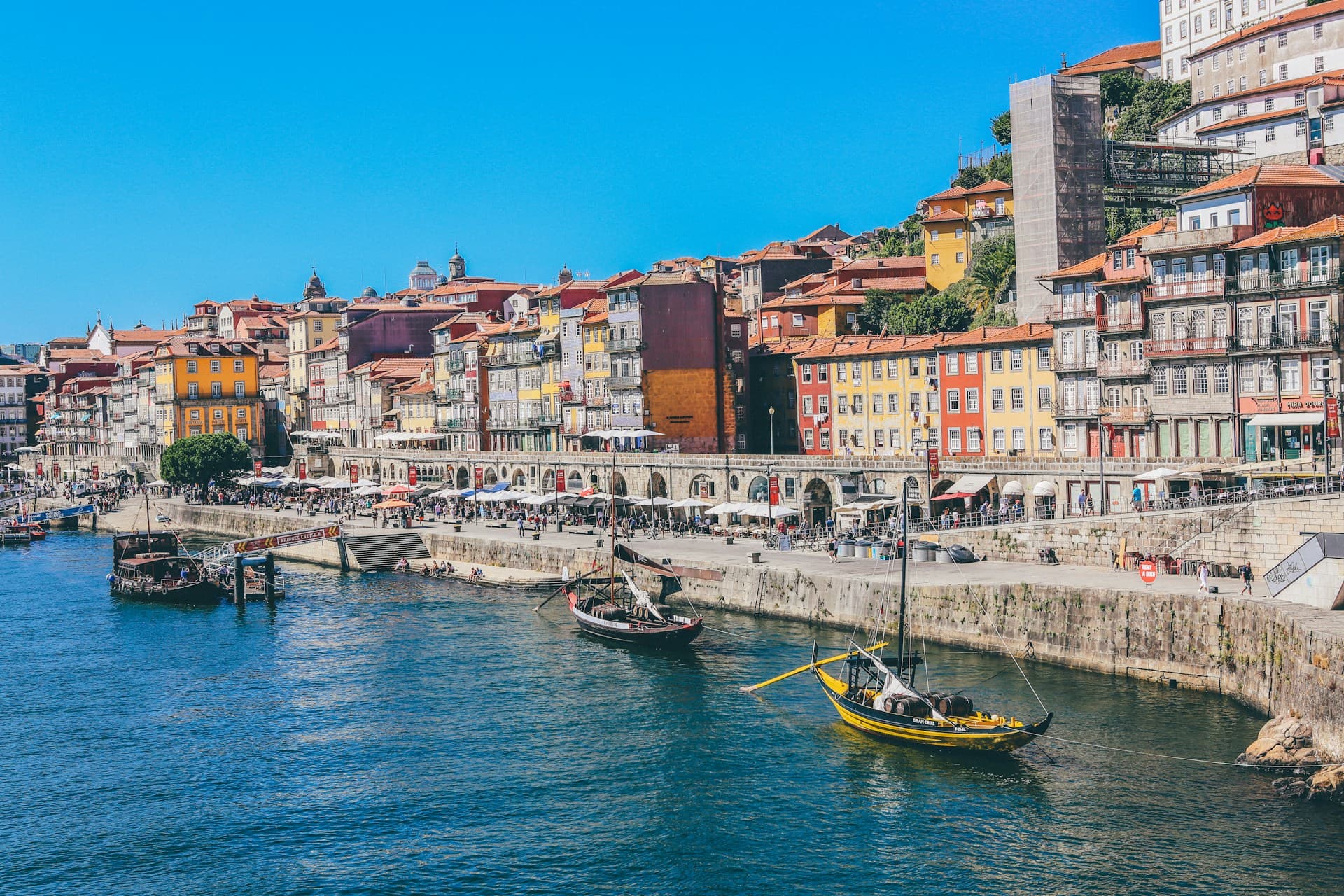
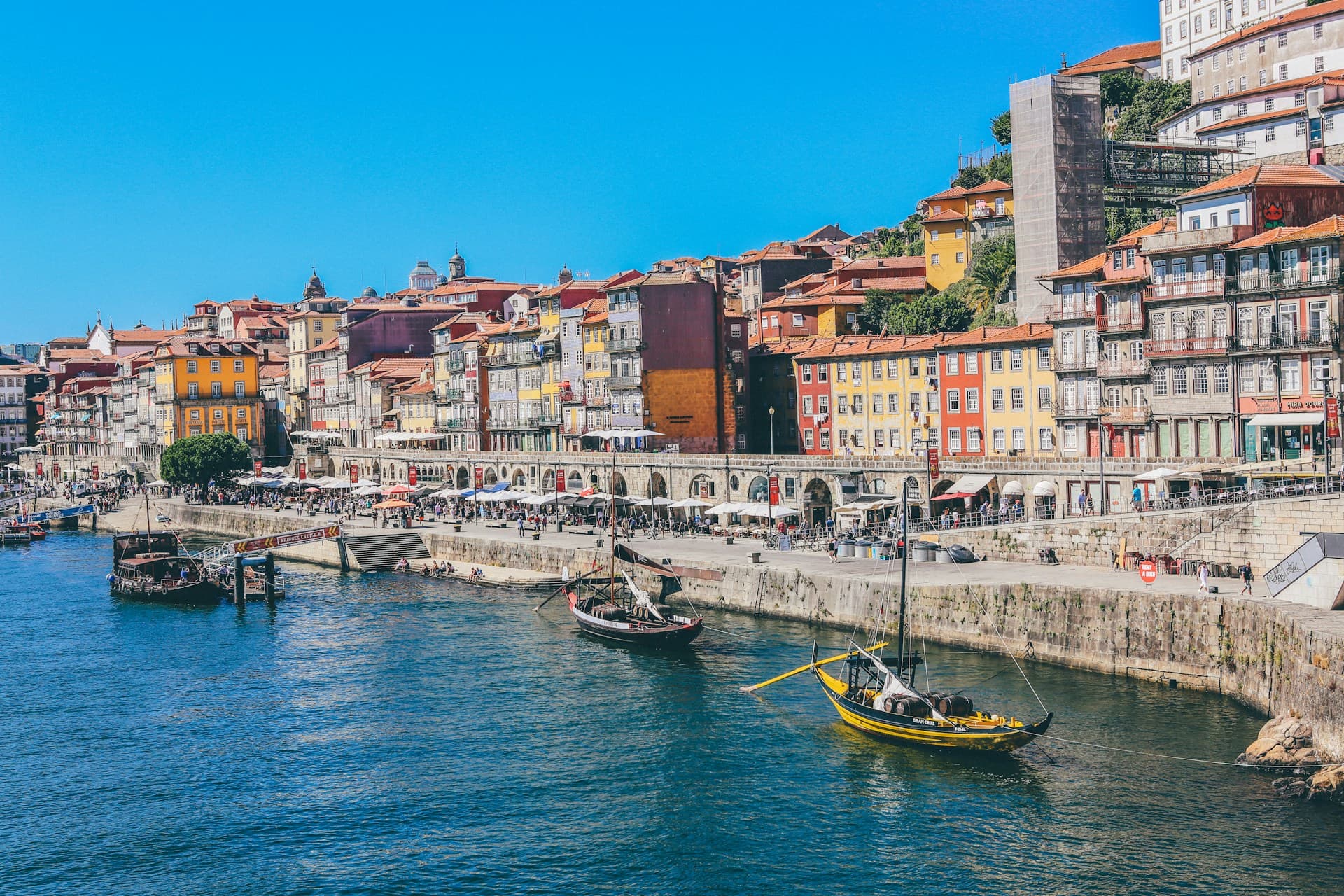
Porto: Smaller and grittier than Lisbon, with the Douro River and Port wine lodges providing the defining experience. The Livraria Lello bookshop, Ribeira waterfront, and a Port wine tasting in Vila Nova de Gaia are the essentials. Porto is a 2-3 day city.
Sintra: A day trip from Lisbon, this UNESCO World Heritage town has fairy-tale palaces (Pena Palace, Quinta da Regaleira) nestled in misty forest. Budget a full day. Entry to Pena Palace is approximately $15.
Spain's Cities
Spain has multiple world-class cities, each with a distinct personality.
Madrid: The capital. The Prado, Reina Sofia (Guernica), and Thyssen-Bornemisza form Europe's densest museum triangle. The tapas bars of La Latina, the Retiro Park, and the late-night dining culture (dinner at 10 PM, out until dawn) make Madrid feel endlessly alive.
Barcelona: Gaudi's Sagrada Familia, Park Guell, and Casa Batllo define the city architecturally. Las Ramblas, the Gothic Quarter, and the Barceloneta beach add layers. Book Sagrada Familia tickets 2-4 weeks ahead ($28 with audio guide).
Seville: Andalusia's capital, with the Real Alcazar (a functioning royal palace with stunning Mudejar architecture), the Cathedral and Giralda tower, flamenco tablaos in Triana, and the best tapas bar-hopping in Spain.
San Sebastian: Small but extraordinary. World-class pintxos, a perfect crescent beach (La Concha), and the highest density of Michelin stars per capita in the world.
Granada: The Alhambra -- one of the world's greatest buildings. Free tapas with every drink. The Albaicin neighborhood has views of the Alhambra against the Sierra Nevada. Book Alhambra tickets 2-3 months in advance ($16 general entry).
Verdict: Spain wins through sheer variety. Portugal's cities are wonderful but limited to two main options. Spain offers five or six genuinely world-class city experiences, each with a different character.
Wine
Portugal
- Port Wine: The country's most famous export. The Port wine lodges in Vila Nova de Gaia (across from Porto) offer tastings from $5-15. Taylor's, Graham's, and Sandeman are top lodges.
- Douro Valley: One of the world's most beautiful wine regions. Steep terraced vineyards along the Douro River. Day trips from Porto by train ($15 round trip to Pinhao) or car. Wine tastings at quintas (wine estates) run $10-25.
- Vinho Verde: Light, slightly effervescent white wine from the Minho region in northern Portugal. Perfect summer drinking at $3-5 per glass.
- Alentejo: Portugal's emerging red wine region, producing bold, fruit-forward reds at excellent value.
Spain
- Rioja: Spain's most famous wine region. Bodegas like Marques de Riscal (Frank Gehry-designed hotel), Lopez de Heredia (one of Rioja's oldest), and CVNE offer tours and tastings ($10-30).
- Ribera del Duero: Home to Tempranillo-based reds that rival Rioja in quality. Bodegas Vega Sicilia produces one of Spain's most celebrated wines.
- Cava: Spanish sparkling wine, primarily from Penedes near Barcelona. Sant Sadurni d'Anoia is the production center. Tours at Freixenet and Codorniu ($10-20).
- Sherry: Produced in Jerez de la Frontera (Andalusia). Fino, Manzanilla, Amontillado, Oloroso -- the range is extraordinary. Tasting at Gonzalez Byass or Lustau runs $12-20.
Verdict: A draw. Both countries are wine powerhouses with distinct styles and excellent value. Port wine and the Douro Valley are bucket-list wine experiences. Spain's Rioja and Sherry regions are equally compelling. Wine lovers should visit both.
Nightlife
Portugal
Lisbon's nightlife is concentrated in Bairro Alto (dozens of small bars in narrow streets, drinks spill onto the street, the action starts after midnight) and Cais do Sodre (more club-oriented, Pink Street is the landmark). Porto has a smaller but vibrant scene centered on Rua Galerias de Paris.
Spain
Spain's nightlife is legendary and starts late by any standard. Dinner at 10 PM, first drinks at midnight, clubs from 2-3 AM until dawn. Madrid's Malasana and La Latina neighborhoods, Barcelona's Raval and Born districts, and Ibiza's superclubs (Pacha, Amnesia, Hi) represent different tiers of the Spanish night.
Verdict: Spain wins. The depth, variety, and sheer stamina of Spanish nightlife is unmatched in Europe. Portugal's nightlife is fun and growing, but it does not reach the same level.
Getting Around
Portugal
Portugal is small (roughly the size of Indiana). You can drive from Lisbon to Porto in 3 hours, and the Alfa Pendular train covers the route in 2.5 hours for $20-40. The Algarve is 2.5-3 hours south of Lisbon by car or train. This compactness is a huge advantage -- you can see the country's highlights in two weeks without exhausting travel days.
Spain
Spain is large (roughly twice the size of the UK). Madrid to Barcelona is 2.5 hours by AVE high-speed train ($30-80), but Madrid to Seville is 2.5 hours, and Madrid to San Sebastian is 5 hours. The AVE network is excellent but does not connect every destination. Budget airlines (Vueling, Ryanair) fill the gaps. Plan for longer travel days between regions.
Verdict: Portugal wins for ease and compactness. You spend less time in transit and more time experiencing the country.
Plan Your Iberian Trip with TripGenie
Whether you choose Portugal, Spain, or both, TripGenie can build a day-by-day itinerary that optimizes your route, accounts for train schedules and booking windows, and sequences your city stops and beach days for the best experience. This is particularly useful for a combined Portugal-Spain itinerary, where the Lisbon-to-Seville or Porto-to-Santiago de Compostela connections need to be planned around limited daily departures. Input your dates and preferences, and let the AI handle the routing.
The Bottom Line: When Each Country Wins
Choose Portugal If...
- Budget is a priority (10-20% cheaper than Spain)
- You prefer intimate, manageable cities over sprawling metropolises
- You love seafood and simple, ingredient-driven cooking
- Surfing is on your agenda
- You want dramatic Atlantic coastline and cliff beaches
- You have 7-10 days and want to feel like you have "seen the country"
- Port wine and the Douro Valley are on your bucket list
- You value a slightly slower, more melancholic pace
Choose Spain If...
- Food is your primary travel motivation
- You want city diversity (Madrid, Barcelona, Seville, San Sebastian, Granada)
- Warm-water Mediterranean beaches matter to you
- Nightlife is important
- You love cultural festivals (La Tomatina, San Fermin, Semana Santa)
- Flamenco, Gaudi, the Alhambra, or the Prado are on your list
- You have two weeks or more to explore a larger country
- You are a wine lover who wants to visit multiple distinct wine regions
Choose Both If...
You have two to three weeks. A classic route: Lisbon (3 days), Sintra day trip, Algarve (2-3 days), train or bus to Seville (4-5 hours), Seville (2-3 days), Granada (2 days), train to Madrid or Barcelona (2.5 hours each by AVE), and finish with 3 days in your chosen Spanish city. This route covers the best of both countries without excessive backtracking.
Both Portugal and Spain deliver extraordinary value, beauty, food, and culture. You genuinely cannot go wrong with either.
Topics

Written by
TripGenie Team
The TripGenie team is passionate about making travel planning effortless with AI. We combine travel expertise with cutting-edge technology to help you explore the world.
@tripgenieGet Travel Tips Delivered Weekly
Get our best travel tips, destination guides, and exclusive deals delivered straight to your inbox every week.
No spam, ever. Unsubscribe anytime.