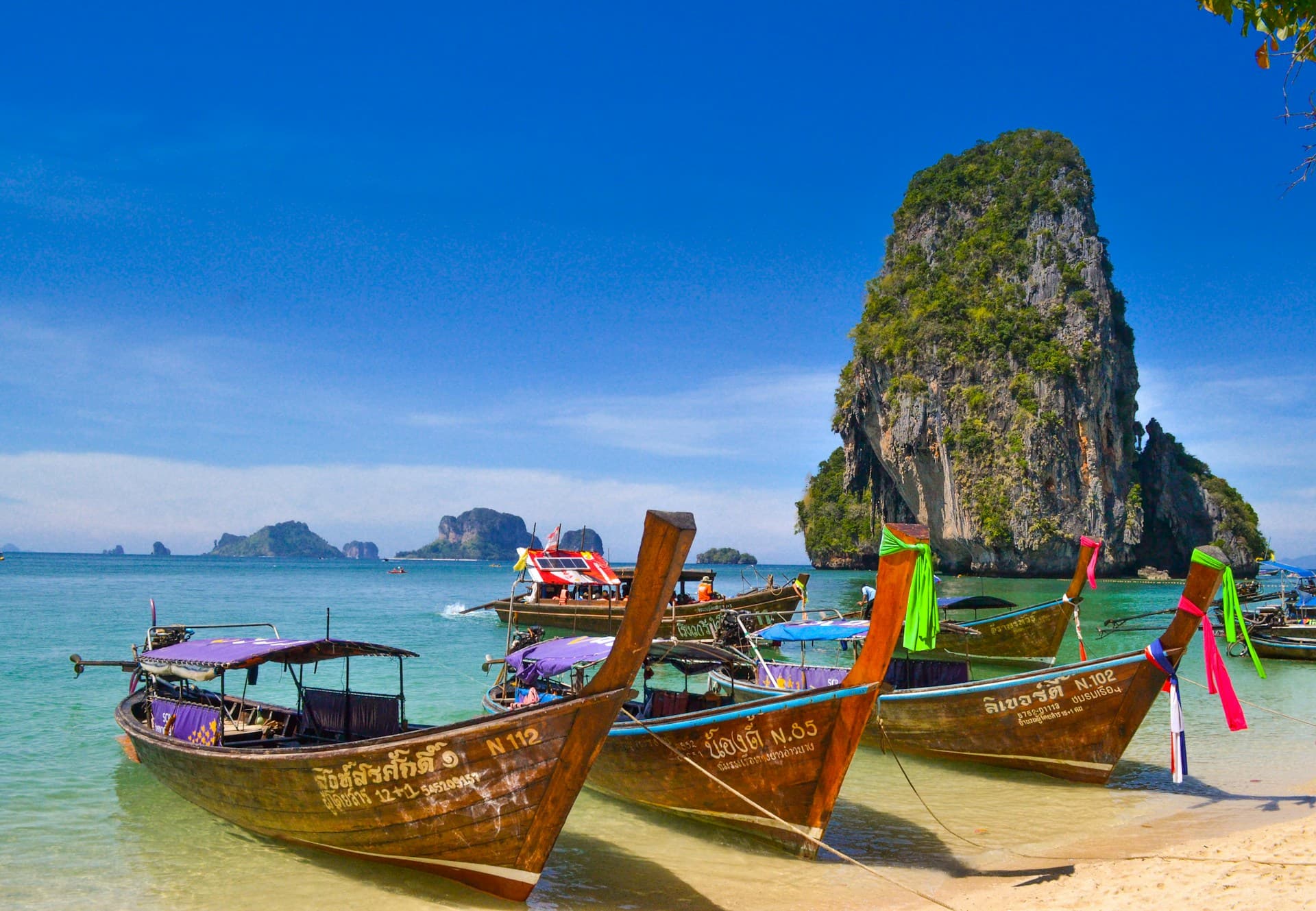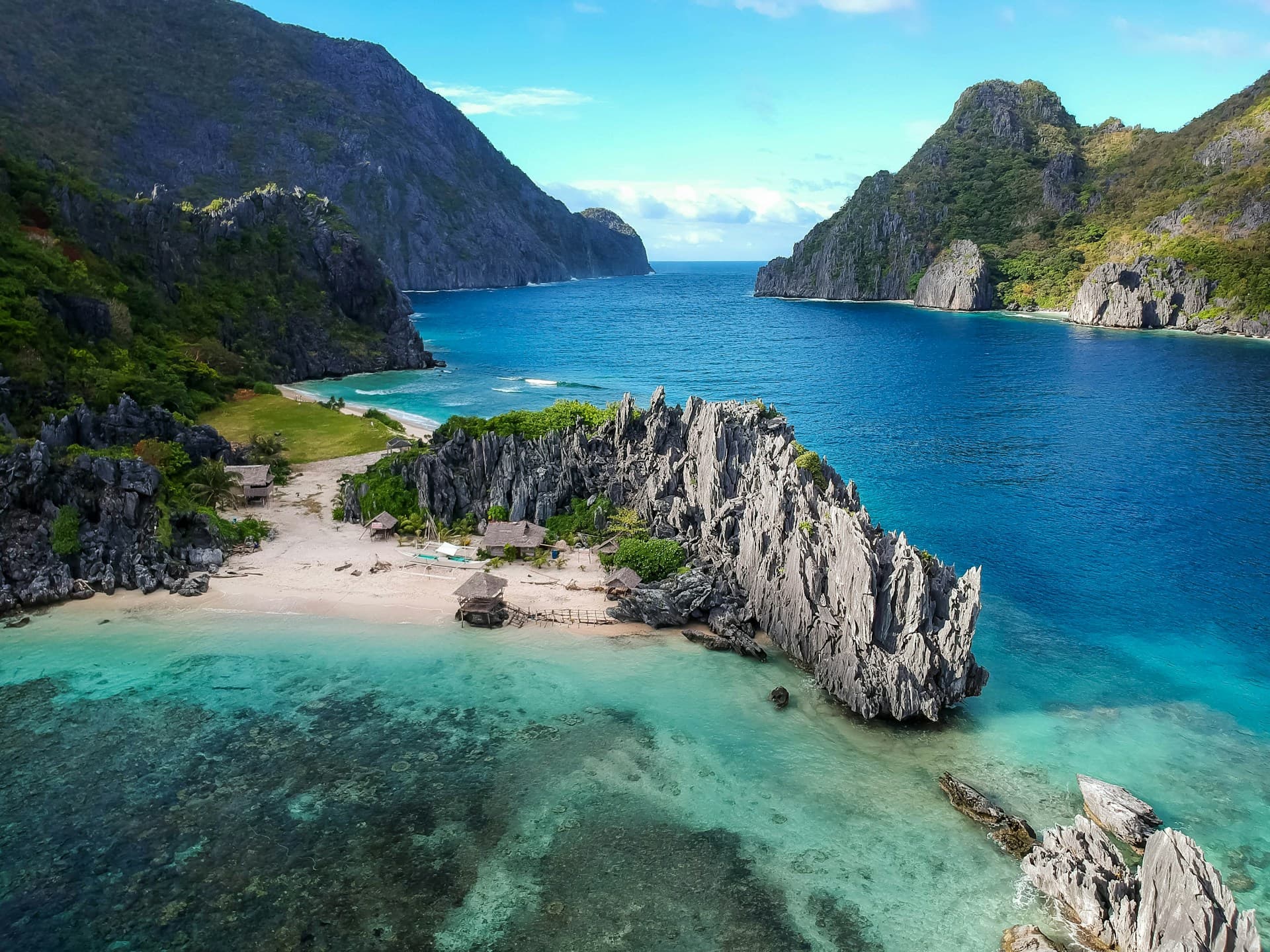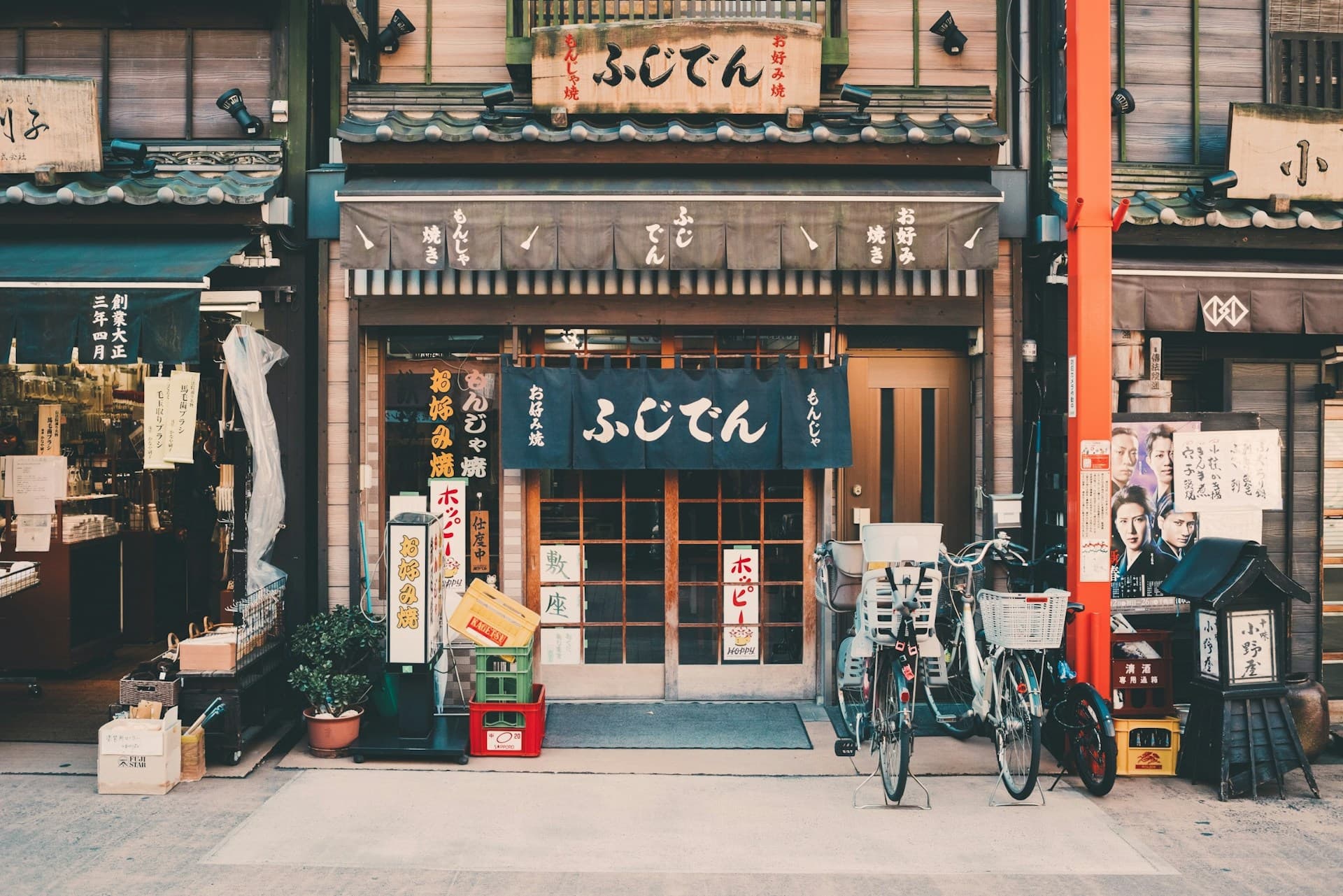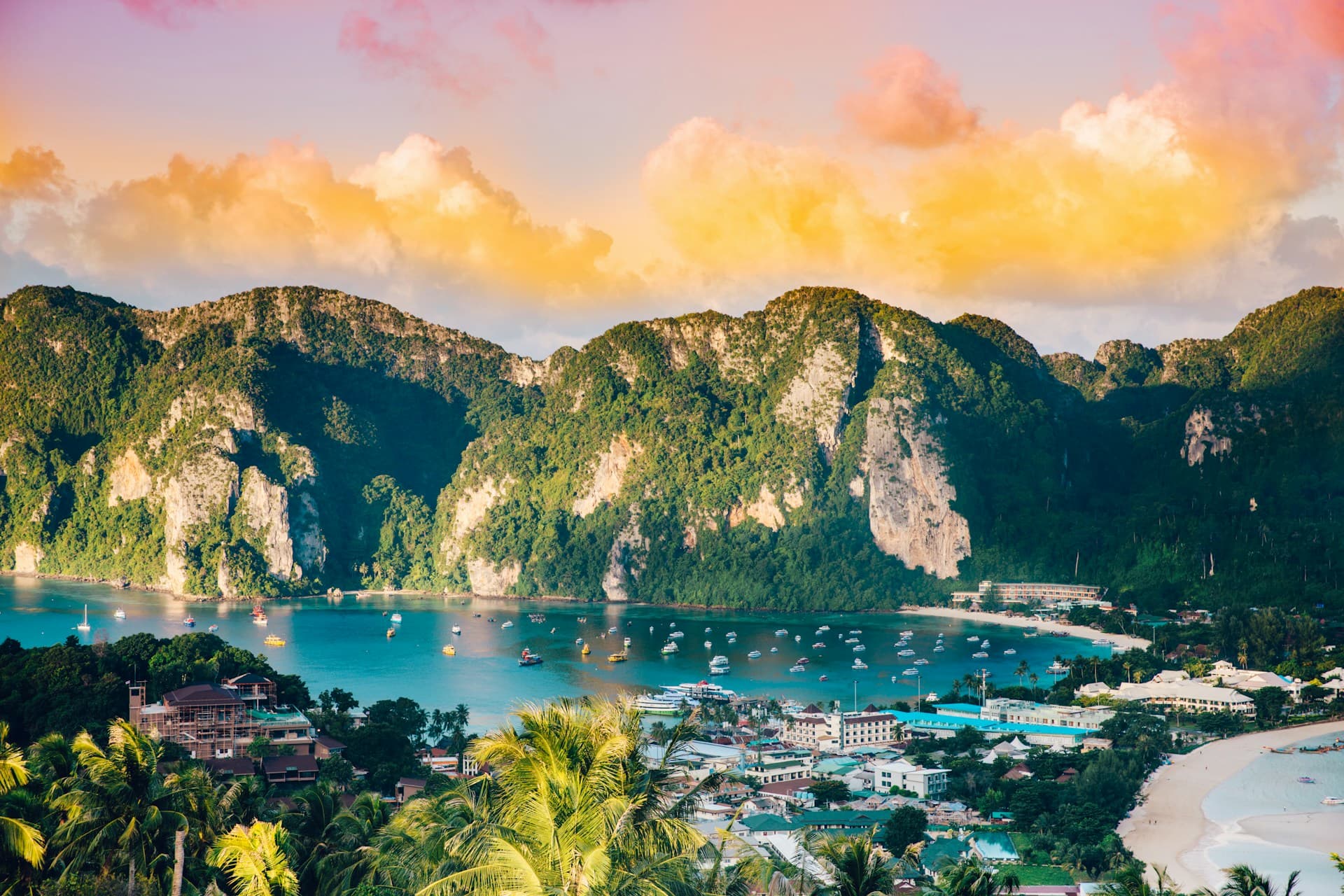

Southeast Asia is the world's greatest backpacking region. Nowhere else on Earth can you find this combination of jaw-dropping natural beauty, deeply distinct cultures, world-class food, and prices that make extended travel genuinely affordable.
I have made the circuit four times across a decade, from my first wide-eyed backpacking trip at 22 to a more refined journey in my 30s. The region has changed -- infrastructure has improved, prices have risen (though it remains a bargain by global standards), and some formerly off-the-beaten-path spots have entered the mainstream. But the essence of what makes Southeast Asia magical -- the warmth of the people, the sensory overload of the markets, the moment you first see a limestone karst rising from turquoise water -- remains unchanged.
Here are three route options depending on how much time you have. Each includes a day-by-day breakdown, transport between destinations, realistic costs, and the experiences you should not miss.
Before You Go: Essential Planning
Visas (as of 2026)
Visa policies change frequently. Always verify with official government sources before booking.
- Thailand: 30 days visa-free for most Western passports (extendable to 60 days at immigration offices for $55)
- Vietnam: 90 days with e-visa ($25, processed in 3 business days). Apply at evisa.xuatnhapcanh.gov.vn
- Cambodia: 30-day visa on arrival ($30) or e-visa ($36). Available at airports and land borders
- Laos: 30-day visa on arrival ($30-$42 depending on nationality). Available at airports and major land borders
- Indonesia: 30-day visa on arrival ($35, extendable once for 30 more days). Free 30-day visa for some nationalities at certain entry points
- Malaysia: 90 days visa-free for most Western passports
- Myanmar: E-visa required ($50), 28-day validity. Check current political situation before planning travel
Budget Overview
Daily budgets per person in 2026 (accommodation, food, local transport, activities):
| Country | Budget Tier | Mid-Range Tier | Comfortable Tier |
|---|---|---|---|
| Thailand | $25-$35 | $40-$70 | $80-$150 |
| Vietnam | $20-$30 | $35-$60 | $70-$120 |
| Cambodia | $20-$30 | $35-$55 | $60-$100 |
| Laos | $20-$30 | $35-$50 | $55-$90 |
| Indonesia (Bali) | $25-$40 | $45-$80 | $90-$200 |
These are realistic 2026 numbers. Southeast Asia has gotten more expensive over the past five years, but it remains dramatically cheaper than virtually anywhere in Europe, North America, or East Asia.
Getting There
- Best entry point for first-timers: Bangkok. It has the region's best-connected airport, the most tourist infrastructure, and is an ideal place to get your bearings
- Cheapest flights from North America: To Bangkok via Tokyo, Seoul, or Taipei. Round-trip fares average $500-$800 from the West Coast, $600-$900 from the East Coast
- Open-jaw booking: Buy a one-way into Bangkok and out of another city (Bali, Ho Chi Minh City, or Kuala Lumpur) to avoid backtracking. This often costs the same as a round-trip
Route 1: The Classic 2-Week Circuit (Thailand + Cambodia)
Total budget: $700-$1,200 per person (excluding international flights)
This route is perfect for first-time Southeast Asia visitors or those with limited time. It covers the two most accessible countries with the strongest tourist infrastructure.
Days 1-3: Bangkok, Thailand
Accommodation: Hostels in Khao San area from $8-$15/night, boutique hotels in Silom or Sukhumvit from $25-$50/night
Day 1: Arrive and recover from jet lag. Walk through Khao San Road in the evening for your first dose of sensory overload. Eat pad thai from a street vendor ($1.50) and drink a fresh mango smoothie ($1).
Day 2: Grand Palace and Wat Phra Kaew (Temple of the Emerald Buddha) in the morning ($16 entry). Take a longtail boat through the canals of Thonburi in the afternoon ($15 for a 1-hour tour). Street food dinner at Chinatown's Yaowarat Road -- do not miss the charcoal-grilled seafood at T&K Seafood.
Day 3: Chatuchak Weekend Market (if it is Saturday or Sunday -- 15,000+ stalls). Or visit Wat Arun (Temple of Dawn, $2.50) and Wat Pho (Reclining Buddha, $6.50). Evening: rooftop drinks with skyline views at a sky bar (cocktails from $8).
Transport to next stop: Overnight train to Chiang Mai (12 hours, $15-$30 for a sleeper berth). Book at the train station or via 12go.asia.
Days 4-6: Chiang Mai, Thailand
Accommodation: Old City guesthouses from $8-$15/night, boutique hotels from $20-$40/night
Day 4: Explore the Old City on foot or by rented bicycle ($3/day). Visit Wat Chedi Luang and Wat Phra Singh. Afternoon Thai cooking class ($25-$35 including market tour).
Day 5: Doi Suthep temple ($2 entry + $3 songthaew ride). Afternoon at an ethical elephant sanctuary like Elephant Nature Park ($75 -- expensive but one of the trip's best experiences and the only responsible way to interact with elephants in Thailand).
Day 6: Rent a scooter ($5/day) and ride to Sticky Waterfall (Bua Tong, 1 hour north -- a limestone waterfall you can walk up, completely free). Evening at the Night Bazaar or Saturday/Sunday walking street market.
Transport to next stop: Fly Chiang Mai to Bangkok (1.5 hours, $30-$60 on AirAsia or Nok Air), then fly Bangkok to Siem Reap (1 hour, $50-$80). Or fly directly Chiang Mai to Siem Reap if available.
Days 7-9: Siem Reap, Cambodia
Accommodation: Hostels from $5-$10/night, boutique hotels from $15-$35/night (Siem Reap has some of the best-value accommodation in Asia)
Day 7: Angkor Wat sunrise. Buy a 3-day Angkor pass ($62). Start at Angkor Wat for sunrise (arrive by 5am), then explore the main complex. Afternoon: Angkor Thom and the Bayon (the temple with the giant stone faces). You will be exhausted -- have a $5 fish amok dinner and collapse.
Day 8: Outlying temples: Ta Prohm (the "Tomb Raider" temple with trees growing through the ruins), Preah Khan, and Banteay Srei (the "jewel of Angkor," 30km from the main complex). Hire a tuk-tuk driver for the day ($15-$20).
Day 9: Morning: floating village on Tonle Sap Lake ($15-$20 boat tour). Afternoon: explore Siem Reap town -- Pub Street, the Old Market, and the excellent Angkor National Museum ($12). Evening: Phare Cambodian Circus, a world-class performance by former street youth ($18-$35).
Transport to next stop: Bus from Siem Reap to Phnom Penh (6 hours, $10-$15 via Giant Ibis or Mekong Express -- book Giant Ibis for the most comfortable ride).
Days 10-11: Phnom Penh, Cambodia
Accommodation: Hostels from $5-$8/night, hotels from $15-$30/night
Day 10: Morning: Tuol Sleng Genocide Museum ($5) and Choeung Ek Killing Fields ($6 including audio guide). These are emotionally difficult but essential for understanding Cambodia. The audio guide at the Killing Fields is one of the most powerful museum experiences in the world. Afternoon: Royal Palace and Silver Pagoda ($10). Evening: riverside promenade and rooftop bar at FCC (Foreign Correspondents Club).
Day 11: Central Market (Phsar Thmei) in the morning for souvenirs and local food. Russian Market in the afternoon for clothing and crafts at rock-bottom prices.
Transport to next stop: Bus from Phnom Penh to Sihanoukville (5 hours, $10-$15), then boat to Koh Rong or Koh Rong Samloem ($12-$25, 45 minutes).
Days 12-14: Cambodian Islands (Koh Rong Samloem)
Accommodation: Beach bungalows from $10-$25/night, guesthouses from $8-$15/night
Day 12-14: Three days of decompression. Swim in bioluminescent plankton at night (free -- wade into the water after dark and watch the glow around your hands). Snorkel from the beach. Read in a hammock. Eat fresh seafood barbecue on the sand for $5-$10. Watch the sunset. Repeat.
Return: Boat back to Sihanoukville, bus to Phnom Penh airport, fly home or continue to next route.
Route 2: The 3-Week Explorer (Thailand + Vietnam)
Total budget: $1,000-$1,800 per person (excluding international flights)
This route adds Vietnam's extraordinary north-to-south diversity to the Thai highlights.
Days 1-6: Thailand (Bangkok + Chiang Mai)
Follow the same itinerary as Route 1, Days 1-6.
Transport to Vietnam: Fly Chiang Mai or Bangkok to Hanoi ($50-$100 on VietJet or AirAsia).
Days 7-9: Hanoi, Vietnam
Accommodation: Hostels in the Old Quarter from $6-$12/night, hotels from $15-$35/night
Day 7: Old Quarter exploration on foot. This is one of the most exhilarating walks in Asia -- motorbikes swarm around you, vendors balance shoulder poles of fruit, and every alley leads to a different street-food speciality. Eat pho for breakfast ($2), bun cha (grilled pork noodles) for lunch ($2-$3), and egg coffee at Cafe Giang ($1.50).
Day 8: Ho Chi Minh Mausoleum and Museum (free, closed Mondays and Fridays), Temple of Literature ($1.50), Hoan Kiem Lake and Ngoc Son Temple ($1). Afternoon: Vietnamese cooking class ($25). Evening: Water puppet show ($5) and beer corner (bia hoi -- fresh draft beer for $0.25 per glass).
Day 9: Day trip option: Ha Long Bay (if budget allows, $80-$150 for a day cruise or $150-$250 for an overnight on a junk boat). Alternative: Ninh Binh / Tam Coc ("Ha Long Bay on land") for $30-$40 as a day trip with rowing boat through limestone valleys.
Transport to next stop: Overnight sleeper bus or train to Phong Nha (10-12 hours, $15-$25). Or fly to Dong Hoi ($30-$50) and bus/taxi to Phong Nha.
Days 10-11: Phong Nha, Vietnam
Accommodation: Hostels from $5-$8/night, homestays from $10-$20/night
Day 10: Paradise Cave ($11 entry -- a 31km underground cave system with walkways through cathedral-sized chambers) and Phong Nha Cave ($7 entry + $10 boat ride into the cave via river). Rent a motorbike ($6/day) to reach them.
Day 11: The Abandoned Valley hike through jungle to a hidden cave and swimming hole ($7 entry), or explore the Bong Lai Valley by bicycle -- a rural ride through farms and rice paddies with pub stops along the way (Pub with Cold Beer is legendary).
Transport to next stop: Overnight train from Dong Hoi to Hue (overnight option, $8-$15) or daytime train (4 hours).
Days 12-13: Hue, Vietnam
Accommodation: Hostels from $5-$8/night, hotels from $12-$25/night
Day 12: The Imperial Citadel ($7) -- a massive walled fortress modeled on Beijing's Forbidden City. Thien Mu Pagoda (free) on the Perfume River. Dragon boat ride on the Perfume River ($3-$5/person).
Day 13: Rent a motorbike and ride the Hai Van Pass to Hoi An. This 21km mountain pass is one of the most scenic roads in Asia (Jeremy Clarkson called it the best road in the world on Top Gear). The ride takes 1-2 hours one way, dropping you directly in Hoi An. Alternatively, take the train through the pass ($5) for the views without the driving.
Days 14-16: Hoi An, Vietnam
Accommodation: Hostels from $5-$10/night, boutique hotels from $15-$40/night, homestays in the countryside from $8-$15/night
Day 14: Ancient Town exploration -- Japanese Covered Bridge, Chinese Assembly Halls, tailor shops. Buy an Old Town ticket ($5) for entry to five heritage sites. Evening: lantern-lit streets and the night market.
Day 15: Hoi An cooking class ($15-$25, starting with a market tour). Afternoon: bicycle to An Bang Beach (3km, free). Visit the tailor -- get a custom suit or dress made in 24 hours for $80-$150.
Day 16: Sunrise at the rice paddies on Cam Thanh road. Basket boat ride in the coconut palms ($5). Afternoon: pick up your custom clothing and explore the town at leisure.
Transport to next stop: Fly from Da Nang (30 minutes by taxi from Hoi An, $8-$10) to Ho Chi Minh City ($30-$60, 1.5 hours).
Days 17-19: Ho Chi Minh City (Saigon), Vietnam
Accommodation: Hostels in District 1 from $6-$10/night, hotels from $15-$35/night
Day 17: War Remnants Museum ($2.50 -- one of the most powerful war museums in the world), Reunification Palace ($5), Notre Dame Cathedral (exterior only during renovation), Central Post Office (free). Street food dinner in an alley restaurant -- get com tam (broken rice) with grilled pork ($2).
Day 18: Day trip to the Cu Chi Tunnels ($12-$15 entry, $15-$25 for a group tour from the city). The tunnel network used during the Vietnam War is a cramped, claustrophobic, and unforgettable experience. Evening: rooftop bar in District 1 for skyline views.
Day 19: Ben Thanh Market and the surrounding street food stalls. Explore District 4 (the locals' food district) for banh mi ($1 -- the best sandwiches in the world), pho, and fresh spring rolls. Visit the Jade Emperor Pagoda (free). Evening: departure or continue to the Mekong Delta.
Transport to next stop: Bus to the Mekong Delta (Can Tho, 4 hours, $8-$10) for an optional extension, or fly home from Ho Chi Minh City.
Days 20-21: Mekong Delta, Vietnam
Accommodation: Homestays from $10-$20/night
Day 20: Cai Rang Floating Market at sunrise (hire a boat for $5-$8). This is the largest floating market in the Mekong Delta -- farmers sell fruit, vegetables, and noodle soup directly from their boats. Afternoon: bicycle through the delta's back roads, passing coconut candy workshops, rice paper factories, and fruit orchards.
Day 21: Return to Ho Chi Minh City for departure (4 hours by bus).
Route 3: The 4-Week Grand Circuit (Thailand + Laos + Vietnam + Cambodia)
Total budget: $1,400-$2,500 per person (excluding international flights)
This is the full Southeast Asia experience, covering four countries with overland connections that let you see the landscape change between borders.
Days 1-6: Thailand (Bangkok + Chiang Mai)
Follow Route 1, Days 1-6.
Days 7-8: Chiang Rai and the Golden Triangle, Thailand
Transport from Chiang Mai: Bus (3 hours, $5-$8)
Day 7: White Temple (Wat Rong Khun, $2) and Blue Temple (Wat Rong Suea Ten, free) -- two of the most visually extraordinary temples in Thailand. Black House (Baan Dam Museum, $3). Evening: Night Bazaar.
Day 8: Day trip to the Golden Triangle (where Thailand, Laos, and Myanmar meet). Boat ride on the Mekong ($10). Opium Museum ($5).
Transport to Laos: Slow boat from Huay Xai (Thai-Lao border) to Luang Prabang (2 days, $30-$40 including overnight stop in Pakbeng). This is one of the great overland journeys in Southeast Asia -- two days drifting down the Mekong through jungle-covered mountains. Book through your hostel or at the boat landing.
Days 9-11: Luang Prabang, Laos
Accommodation: Guesthouses from $8-$15/night, boutique hotels from $20-$45/night
Day 9: Alms-giving ceremony at dawn (observe respectfully from a distance). Royal Palace Museum ($5). Climb Mount Phousi for sunset views ($3). Night market on Sisavangvong Road for textiles, crafts, and $1.50 buffet dinners.
Day 10: Kuang Si Waterfalls (the turquoise cascading pools you have seen on Instagram, $3.50 entry, tuk-tuk from town $8/person round trip). Swim in the pools. Visit the bear rescue center at the entrance (free). Afternoon: Pak Ou Caves by boat ($10).
Day 11: Rent a bicycle ($2/day) and explore the peninsula. Visit the morning market by the Mekong for Lao breakfast (khao piak -- rice noodle soup, $1.50). Temple-hop among the 30+ wats on the peninsula. Afternoon: Lao cooking class ($20-$25).
Transport to Vietnam: Fly Luang Prabang to Hanoi ($60-$100, 1.5 hours). Or take the adventurous overland route via bus to the Vietnamese border (24+ hours total, not for the faint of heart but $20-$30).
Days 12-19: Vietnam (Hanoi to Ho Chi Minh City)
Follow Route 2, Days 7-19. Skip the Mekong Delta extension to stay on schedule, or trim Hoi An to 2 days if you want to keep the Delta.
Days 20-22: Siem Reap, Cambodia
Transport from Ho Chi Minh City: Fly ($50-$80, 1 hour) or bus ($15-$20, 6-7 hours via Mekong Express).
Follow Route 1, Days 7-9.
Days 23-24: Phnom Penh, Cambodia
Follow Route 1, Days 10-11.
Transport to next stop: Bus to Sihanoukville, boat to the islands.
Days 25-28: Cambodian Islands or Indonesian Extension
Option A: Spend 4 days on Koh Rong Samloem (see Route 1, Days 12-14, extended by a day), then return to Phnom Penh for departure.
Option B: Fly from Phnom Penh to Bali, Indonesia ($100-$180, 3.5 hours with a connection in Kuala Lumpur or Singapore). Spend the final 4 days in Bali:
Days 25-26: Ubud -- Rice terraces (Tegallalang, free from the road), monkey forest ($5), art markets, yoga classes ($8-$12), and stunning valley restaurants.
Days 27-28: South Bali -- Beach time in Canggu or Uluwatu. Uluwatu Temple at sunset ($5) with the Kecak fire dance performance ($10). Final night: seafood on Jimbaran Beach.
Practical Logistics
Money
- ATMs: Available everywhere. Withdraw in local currency. Use a debit card with no foreign transaction fees (Charles Schwab, Wise, or Revolut)
- Cash vs. cards: Southeast Asia is still primarily cash-based. Carry $100-$200 USD as backup (US dollars are accepted or easily exchangeable everywhere)
- Bargaining: Expected at markets and for taxis/tuk-tuks. Start at 50-60% of the quoted price and settle at 70-80%. Never bargain aggressively -- it is a cultural exchange, not a battle
Health and Safety
- Vaccinations: Consult a travel clinic 6-8 weeks before departure. Common recommendations: Hepatitis A and B, Typhoid, Tetanus booster. Malaria prophylaxis may be recommended for rural areas
- Travel insurance: Non-negotiable. World Nomads and SafetyWing are popular among backpackers ($40-$80/month). Ensure coverage includes motorbike riding if you plan to rent one (most basic policies exclude it)
- Street food safety: Eat at busy stalls with high turnover. Look for food cooked fresh in front of you. Avoid pre-made food sitting at room temperature. Follow the locals -- if a stall has a line of local customers, it is safe and delicious
- Water: Do not drink tap water. Bottled water costs $0.25-$0.50 everywhere. Bring a reusable bottle with a filter to reduce plastic waste
Packing Essentials
- Backpack: 40-50L is the sweet spot. Osprey Farpoint 40 or REI Ruckpack 40 are excellent choices
- Quick-dry clothing: 3-4 outfits that dry overnight. Merino wool shirts resist odor between washes
- Rain jacket: Lightweight and packable. You will need it regardless of season
- Sarong: The most versatile item you can carry. Beach towel, temple cover-up, blanket on buses, privacy curtain, picnic mat
- Padlock: For hostel lockers
- Headlamp: For cave tours, power outages, and early morning temple visits
- Dry bag: For boat trips and rainy motorbike rides. Protects electronics and documents
Getting Between Countries
- Flights: AirAsia, VietJet, and Nok Air connect all major Southeast Asian cities for $30-$100. Book 2-4 weeks ahead for the best prices
- Buses: The backbone of overland travel. Giant Ibis (Cambodia), The Sinh Tourist (Vietnam), and Nakhonchai Air (Thailand) are the most reputable operators. Book via 12go.asia
- Trains: Vietnam's Reunification Express runs the length of the country (Hanoi to Ho Chi Minh City). Thailand has sleeper trains connecting Bangkok to Chiang Mai and the south. Both are comfortable and scenic
- Boats: Slow boats in Laos, ferries to Cambodian islands, longtail boats in Thailand. Some of the most memorable transport experiences are on the water
Using TripGenie to Plan Your Route
Southeast Asia's logistics -- visas, domestic flights, bus schedules, accommodation styles -- can be overwhelming to plan manually, especially for a multi-country trip. TripGenie can build a complete day-by-day itinerary for any of these routes, including:
- Transport connections and booking links between each stop
- Accommodation recommendations at each destination matched to your budget
- Activity scheduling that accounts for travel days and jet lag
- Budget tracking across multiple currencies
- Visa requirement reminders based on your nationality
Input your dates, budget, and which countries interest you, and get a complete plan that you can adjust on the fly as your trip evolves.
The Final Word
Southeast Asia has a way of rewiring how you think about travel. The first time you eat a $2 meal that is better than anything at home, share a sunset with strangers who become friends, or watch a thunderstorm roll across rice paddies from a hammock, something shifts. You realize that the richness of a travel experience has almost nothing to do with the amount of money you spend.
Whether you have two weeks or four, $700 or $2,500, Southeast Asia will give you more than your money's worth. Go with an open mind, a light backpack, and the willingness to say yes to whatever the region puts in front of you. You will come home a different person than the one who left.
Topics

Written by
TripGenie Team
The TripGenie team is passionate about making travel planning effortless with AI. We combine travel expertise with cutting-edge technology to help you explore the world.
@tripgenieGet Travel Tips Delivered Weekly
Get our best travel tips, destination guides, and exclusive deals delivered straight to your inbox every week.
No spam, ever. Unsubscribe anytime.