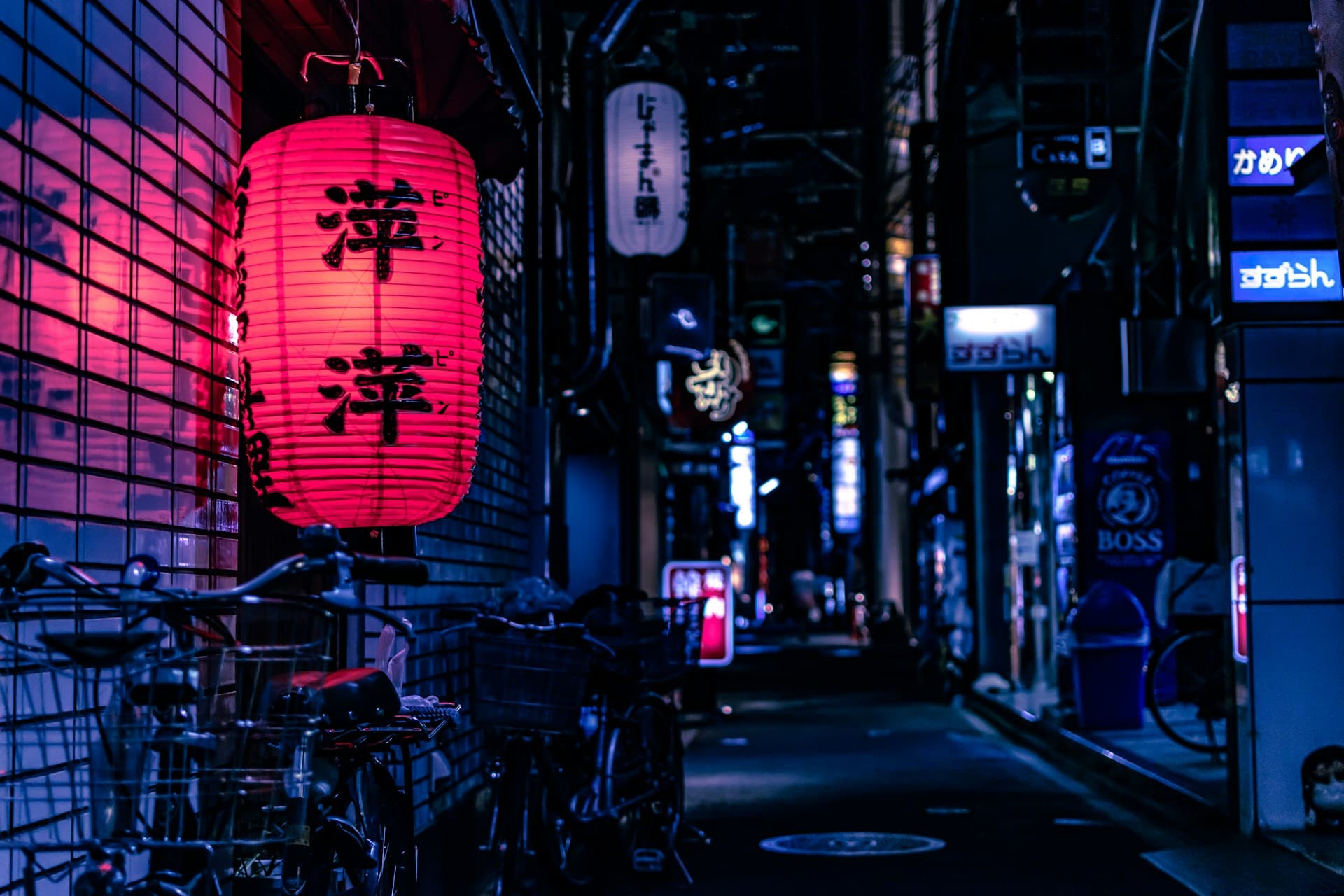

Why Cultural Etiquette Can Make or Break Your Trip
A thumbs-up in the United States means "great job." In parts of the Middle East, West Africa, and South America, it is equivalent to raising your middle finger. An enthusiastic wave hello is perfectly normal in the US but can be startling or even offensive in more reserved cultures. The "OK" sign made with your thumb and forefinger is vulgar in Brazil, Turkey, and parts of Southern Europe.
These are not obscure edge cases. They are common gestures that ordinary travelers use every day without realizing they may be offending the people around them. Cultural etiquette is not about perfection -- locals universally appreciate honest effort and forgive genuine mistakes. It is about showing enough awareness to earn the warmth and hospitality that every culture offers to respectful visitors.
This guide covers the essential cultural norms for 20 countries across every major travel region, organized by the situations you will actually encounter: greetings, dining, dress codes, religious sites, photography, and personal interactions.
Universal Rules That Apply Everywhere
Before diving into country-specific details, these five principles will serve you well in any culture on earth:
- Dress one level more conservatively than you think necessary. You can always take off a layer, but you cannot undo a first impression.
- Learn five words in the local language. "Hello," "thank you," "please," "sorry," and "goodbye" demonstrate effort and respect regardless of pronunciation.
- Observe before acting. Spend two minutes watching how locals interact before joining in. Notice whether people bow, shake hands, or kiss cheeks.
- Ask permission before photographing people. This applies everywhere but is especially critical in conservative cultures, indigenous communities, and religious settings.
- When in doubt, choose formality over casualness. Being too formal is rarely offensive. Being too casual frequently is.
East Asia
Japan
Japan has perhaps the most detailed etiquette system of any country popular with international travelers. The good news is that Japanese culture also has a deep tradition of graciously forgiving foreign visitors who make honest mistakes.
Greetings and communication:
- Bow when meeting someone. A slight 15-degree nod is appropriate for casual encounters. You do not need to match the deep 45-degree bow of a hotel employee -- that would seem over-the-top.
- Handshakes are becoming more common in international business settings, but let the Japanese person initiate physical contact.
- Exchanging business cards is a formal ritual. Receive a card with both hands, read it carefully, and place it on the table in front of you during the meeting (never shove it in your pocket).
- Avoid loud conversation in public spaces, especially on trains and buses. Set your phone to silent mode ("manner mode" in Japanese terminology).
Dining:
- Say "itadakimasu" before eating (a phrase expressing gratitude for the meal). Say "gochisousama deshita" after the meal.
- Never stick chopsticks vertically into a bowl of rice. This resembles incense at a funeral and is one of the most universally known taboos.
- Do not pass food directly from your chopsticks to another person's chopsticks. This mimics a funeral ritual for handling cremated remains.
- Slurping noodles and soup is not just acceptable; it is expected. It shows enjoyment and helps cool the food.
- Pouring your own drink is considered impolite in group settings. Pour for others, and they will pour for you.
- Tipping is not practiced and can cause confusion. (See our dedicated tipping guide.)
Shoes and indoor spaces:
- Remove shoes when entering homes, traditional restaurants (ryokan and some izakaya), temples, and certain hotels. A raised entryway (genkan) with a collection of shoes signals that you should remove yours.
- In some traditional bathrooms, there are separate toilet slippers. Switch to these at the bathroom entrance and switch back when you leave. Using toilet slippers outside the bathroom is a common foreigner mistake.
Temple and shrine etiquette:
- At Shinto shrines: Purify your hands and mouth at the temizuya (water basin). Bow twice, clap twice, make your prayer silently, then bow once more.
- At Buddhist temples: Do not clap. Simply bow, offer a prayer, and leave quietly.
- Photography is usually permitted in outdoor areas but often prohibited inside temple halls. Look for signs.
South Korea
Greetings:
- A slight bow with a handshake is standard. Use both hands to give or receive objects (business cards, gifts, payment).
- Use titles and family names until invited to use first names. Age hierarchy is central to Korean social interaction.
Dining:
- Wait for the eldest or most senior person to begin eating before you start.
- Do not pour your own drink. Others will pour for you, and you should pour for them when their glass is empty.
- When drinking with someone older, turn your head slightly away as a sign of respect.
- Rice is eaten with a spoon, not chopsticks. Chopsticks are for side dishes.
- Do not blow your nose at the dining table.
Other important norms:
- Remove shoes when entering homes and many traditional restaurants.
- Never write someone's name in red ink. Red ink is reserved for writing the names of deceased persons.
- Avoid the number 4 in gifts and certain contexts, as it sounds like the Korean word for death.
China
Greetings:
- A light handshake with a slight nod is standard. Avoid excessive eye contact during greetings, especially with elders.
- Physical warmth (hugging, back-slapping) is uncommon between people who are not close friends.
Dining:
- If you are the host or guest of honor, you are expected to order generously. Leaving food on the table at the end of a meal indicates the host provided abundantly.
- The seat facing the door is reserved for the most honored guest or the host.
- Toasting is frequent at formal dinners. The host toasts first, then guests may reciprocate. "Ganbei" (dry glass) is the standard toast, but you can sip if drinking full glasses would be excessive.
- Tap two fingers on the table when someone pours tea for you. This centuries-old gesture originated in the Qing dynasty as a disguised bow.
Gift-giving:
- Never give clocks as gifts. The Mandarin word for "giving a clock" (song zhong) sounds identical to "attending a funeral."
- Avoid gifts in sets of four (unlucky) or wrapped in white or black (funeral colors). Red and gold wrapping are best.
- Present and receive gifts with both hands. Do not open a gift in front of the giver -- this is considered immodest.
Southeast Asia
Thailand
The monarchy and religion:
- The Thai monarchy is deeply revered, and lese-majeste laws are strictly enforced. Never make negative comments about the royal family, even casually. This includes social media posts while in Thailand. Convictions carry prison sentences of up to 15 years.
- Do not step on Thai currency. Coins and bills bear the king's image.
Head and feet:
- The head is considered the most sacred part of the body. Never touch anyone's head, including children, even affectionately.
- The feet are considered the lowest and most unclean body part. Never point your feet at anyone, at Buddha images, or at temples. When sitting on the floor in a temple, fold your legs to the side or sit cross-legged with feet tucked underneath.
Temple visits:
- Cover shoulders and knees at all Buddhist temples. Carry a lightweight sarong or shawl.
- Remove shoes before entering temple buildings.
- Women must not touch Buddhist monks or hand objects directly to them. Place items on a surface for the monk to pick up.
- Sit with your head lower than Buddha statues. Do not pose in ways that appear disrespectful (pointing at the statue, sitting on it, or turning your back to it for selfies).
The wai greeting:
- Pressing palms together near the chest with a slight bow. Return a wai when it is offered to you. You do not need to wai every person you encounter -- a smile and a nod is fine for service interactions.
Vietnam
- Use both hands or your right hand (supported at the elbow by your left hand) when giving or receiving objects from elders.
- Remove shoes when entering homes. Look for shoes at the door as a cue.
- Bargaining at markets is expected and should be done with a smile and good humor. Start at roughly 40-50% of the asking price and work toward a mutually agreeable number.
- Pointing with your index finger is considered rude. Use your entire hand, palm facing up, to gesture toward something.
- Crossing your fingers is an obscene gesture in Vietnam (it represents female genitalia). What Americans consider a "good luck" sign is vulgar here.
Indonesia
Bali:
- The left hand is considered unclean. Use your right hand for eating, handshakes, and passing objects.
- Step over (never on) the small woven offerings (canang sari) placed on the ground throughout Bali. These are daily religious offerings to Hindu gods, and stepping on them is deeply disrespectful.
- Temple dress code requires a sarong and sash. Most major temples have these available for rent at the entrance.
- During Nyepi (Day of Silence), typically in March, the entire island shuts down. Lights, noise, and outdoor activity are prohibited for 24 hours. Tourists must remain in their hotels.
Java and Muslim-majority areas:
- Dress modestly, especially when visiting mosques. Women should cover hair, shoulders, and legs. Men should wear long pants.
- Friday midday is prayer time for Muslims. Many businesses close briefly around noon on Fridays.
Singapore
- Singapore is famously strict about rules. Chewing gum is essentially banned (importing for personal use carries fines). Littering is punished with fines of SGD 300 and up. Smoking is prohibited in nearly all public spaces.
- The fine system is well-known but genuinely enforced. Do not jaywalk, spit in public, or eat on MRT trains.
- Singapore is multicultural (Chinese, Malay, Indian, and Western influences), so etiquette varies by context. When in doubt, follow the lead of the people around you.
South Asia
India
Greetings:
- "Namaste" with palms pressed together is appropriate in most Hindu-majority areas. In Muslim-majority areas, "As-salamu alaykum" is respectful.
- Handshakes are common in business settings between men. In conservative settings, wait for a woman to extend her hand before offering a handshake.
Dining:
- Many Indians eat with their hands, using only the right hand. The left hand is considered unclean and should not touch food.
- Beef is avoided by Hindus (cows are sacred). Pork is avoided by Muslims. Vegetarianism is extremely common, especially in Gujarat, Rajasthan, and South India. "Pure veg" restaurants serve no meat, fish, or eggs.
- If invited to an Indian home, bringing sweets or fruit is a good gift. Remove shoes at the door. You may be offered food repeatedly -- accepting at least a small amount is polite.
Religious sites:
- Remove shoes before entering temples, mosques, gurdwaras (Sikh temples), and many churches in India.
- Cover your head in gurdwaras (head coverings are usually available at the entrance).
- Walk clockwise around sacred objects in Hindu temples.
- Dress modestly at all religious sites: cover shoulders, arms to the elbow, and legs to the knee at minimum.
Photography:
- Always ask before photographing people, particularly women. Many Indian women do not want to be photographed by strangers.
- Photography is often prohibited inside temples, forts, and museums, or requires a separate camera ticket.
Nepal
- Similar to India in many respects: remove shoes at temples, use the right hand, dress modestly at religious sites.
- Walking clockwise around Buddhist stupas and mani stones is the correct direction. Counterclockwise is considered disrespectful.
- The Nepali greeting "Namaste" is universal here. A slight nod accompanying it is appreciated.
Middle East
United Arab Emirates (Dubai and Abu Dhabi)
- Dress: Dubai is relatively liberal compared to other Gulf states, but modesty is still appreciated. Cover shoulders and knees in malls, public areas, and especially outside tourist zones. Swimwear is strictly for the beach and pool.
- Ramadan: During the holy month (dates shift annually based on the lunar calendar), eating, drinking, and smoking in public during daylight hours is illegal for everyone, including non-Muslims. Hotels typically have screened dining areas for guests.
- Public displays of affection: Kissing in public can result in fines or arrest. Holding hands is tolerated for married couples but may draw attention.
- Alcohol: Available in licensed hotel restaurants and bars. Being publicly intoxicated is illegal and can result in arrest.
- Photography: Do not photograph women without explicit permission. Do not photograph government buildings, military installations, or construction sites.
Morocco
- Greetings: Moroccans greet warmly and at length. Between men, a handshake is standard. Between a man and a woman, follow the woman's lead -- some offer a handshake, others prefer a hand placed over the heart.
- Bargaining: Expected and enjoyed in souks (markets). Start at about 30-40% of the asking price and negotiate with humor and patience. Walking away is a legitimate negotiation tactic and often brings the best price.
- Dress: Morocco is a Muslim-majority country. In medinas (old cities), cover shoulders and knees. In Marrakech and Fez tourist areas, enforcement is relaxed, but modesty earns respect.
- Dining in homes: If invited to a Moroccan home, bring pastries or sugar as a gift (not alcohol). Remove shoes if you see them removed at the door. You may be invited to wash your hands in a communal basin before the meal. Eat with your right hand.
- Language: French is widely spoken in Morocco alongside Arabic and Berber. A few words of French go further than English in many situations.
Jordan
- Hospitality: Jordanian hospitality is legendary. Tea or coffee invitations are common and should be accepted -- declining can be perceived as an insult. At minimum, accept one cup.
- Dress at Petra and Wadi Rum: Despite being outdoor archaeological and desert sites, Jordanians appreciate modest dress. Long pants and a T-shirt are appropriate.
- Bedouin etiquette: If visiting Bedouin communities in Wadi Rum, accept tea. Sit cross-legged on the ground. Do not point the soles of your feet at anyone.
Europe
France
- The greeting rule: Always say "Bonjour" (or "Bonsoir" after 6 PM) when entering any shop, restaurant, cafe, or business. This is not optional. Walking in and immediately asking a question or making a request without greeting first is considered extremely rude and will set the tone for the entire interaction.
- The bise (cheek kiss): French people greet friends with cheek kisses (one to four depending on the region). As a visitor, a handshake is perfectly appropriate. Do not initiate the bise; let the French person decide.
- Dining pace: French meals are leisurely. The waiter will not bring the check until you ask for it -- this is not poor service, it is respect for your meal. Rushing a meal or asking for the check while others are still eating is seen as impolite.
- Bread etiquette: Bread goes on the table beside your plate, not on the plate itself. It is used to mop up sauces and push food, not eaten as a standalone appetizer with butter (except at breakfast).
- Wine: Pouring your own wine before others at the table is poor form. Fill others' glasses first.
Italy
- Coffee culture: Cappuccino is a breakfast drink. Ordering one after 11 AM marks you immediately as a tourist. Espresso (simply called "caffe") is the all-day coffee. It is drunk standing at the bar, which costs less than sitting at a table.
- Dining: Pasta is the first course (primo), followed by a meat or fish course (secondo). Ordering only pasta is fine at a casual trattoria but would be unusual at a formal restaurant.
- Dress: Italians value well-considered clothing. Athletic wear, flip-flops, and very casual attire in cities (especially for dinner) draws sideways glances. You do not need designer clothes, but clean, put-together casual wear is appreciated.
- Churches: Cover shoulders and knees. St. Peter's Basilica, the Duomo in Florence, and most major churches enforce this strictly. Carry a light scarf.
- Greetings: "Buongiorno" (good day) until about 4 PM, "Buonasera" (good evening) after.
Germany
- Punctuality: Germans take time commitments seriously. Arriving 5 minutes late to a social engagement is acceptable; 15 minutes late requires an explanation. For business meetings, arrive 5 minutes early.
- Quiet hours (Ruhezeit): Legally mandated quiet hours apply in residential areas: typically 10 PM to 7 AM weeknights and all day Sunday. Loud music, power tools, and even vigorous vacuuming during these hours can result in complaints or fines.
- Eye contact during toasts: When clinking glasses, make direct eye contact with each person. Not doing so is said to bring seven years of bad luck in the bedroom (this is a genuine and frequently cited German superstition).
- Recycling: Germany has extensive waste sorting requirements. Learn the difference between Gelber Sack (packaging), Papier (paper), Bio (organic), and Restmull (general waste). Pfand (deposit) bottles return 0.08-0.25 euros each at supermarket machines.
Spain
- Meal times: Lunch is 2-3:30 PM and dinner is 9-11 PM. Arriving at a restaurant at 6 PM for dinner will find it empty or closed. Adjust your schedule to Spanish meal times for the best experience and the most authentic food.
- Greetings: Two cheek kisses (right cheek first) are standard between women and between men and women in social settings. Between men, a handshake is typical. As a foreigner, a handshake is always safe.
- Siesta culture: While the traditional afternoon siesta is less common in cities, many shops and businesses outside major urban areas still close between 2 and 5 PM.
- Volume: Spaniards tend to speak loudly and with enthusiasm. This is not aggression; it is normal conversational style.
The Americas
Brazil
- Greetings: Brazilians are physically affectionate. Women greet with cheek kisses (one in Sao Paulo, two in Rio de Janeiro). Men shake hands firmly with a shoulder pat. Personal space is much closer than in Northern Europe or North America.
- The OK sign: Making a circle with your thumb and forefinger (the "OK" gesture) is a vulgar insult in Brazil equivalent to the middle finger. Avoid this gesture entirely.
- Punctuality: Social events start late. An invitation for 8 PM means arrive at 9 PM. Arriving at 8 PM is awkwardly early. Business meetings, however, should be treated with punctuality.
- Beach culture: Brazilian beach etiquette is specific. Wearing a Speedo or bikini at the beach is completely normal and expected. Wearing beach clothes away from the beach (in restaurants, shops) is not.
Mexico
- Greetings: A handshake at first meeting, moving to cheek kisses (one kiss, right side) as you become familiar. "Buenos dias" (until noon), "Buenas tardes" (afternoon), "Buenas noches" (evening and night).
- The concept of time: Mexican social time is more relaxed than business time. If a friend says "let's meet at 3," arriving at 3:30 is completely normal. Business meetings should be on time.
- Dining: Lunch (comida) is the main meal and often takes 2-3 hours. Dinner (cena) is lighter and later. Rushing through a meal is unusual.
- Tequila: In Mexico, quality tequila is sipped slowly, never shot. Shooting tequila is considered wasteful and somewhat crass, like chugging a fine wine.
Africa
South Africa
- Greeting diversity: South Africa has 11 official languages. In Zulu-speaking areas, "Sawubona" (I see you) is meaningful. In Afrikaans areas, "Hallo" works. In most urban settings, English is universal.
- Braai culture: If invited to a braai (South African barbecue), bring your own meat and drinks. The host provides the fire (braaivleis), salads, and sides. This is a central social tradition.
- Safety conversations: South Africans are direct about safety in ways that may seem alarming to visitors. Follow their advice about when and where to walk, and do not dismiss local wisdom about specific neighborhoods.
Kenya
- Extended greetings: "Habari" (how are you) followed by multiple rounds of pleasantries is standard. Greetings are not rushed; asking about family, health, and work is part of the process.
- Photography: Always ask before photographing people, especially Maasai communities. Many expect a small payment (100-200 KES) for photos, which is reasonable and appropriate.
- Left hand: As in much of East Africa, the left hand is considered unclean. Shake hands, give gifts, and eat with your right hand.
Common Offensive Gestures to Avoid
| Gesture | Where It Is Offensive | What It Means There |
|---|---|---|
| Thumbs up | Middle East, West Africa, parts of South America | Vulgar, equivalent to middle finger |
| "OK" sign (thumb and forefinger circle) | Brazil, Turkey, Venezuela, parts of Southern Europe | Obscene gesture |
| Beckoning with index finger (palm up, curling inward) | Philippines, Japan, Singapore, Malaysia | Used only for dogs; deeply insulting to people |
| Showing soles of shoes | Middle East, India, Thailand, much of Asia | Deeply disrespectful |
| Pointing with index finger | Most of Southeast Asia, parts of Africa | Rude; use whole hand or chin nod instead |
| Left hand for giving or receiving | Muslim-majority countries, India, parts of Africa | Left hand is considered unclean |
| Patting someone's head | Thailand, other Buddhist-majority countries | The head is sacred; never touch it |
| V-sign with palm facing inward | United Kingdom, Ireland, Australia, New Zealand | Equivalent to middle finger |
Photography Etiquette
Photography is one of the most common sources of tension between travelers and local communities. Follow these principles:
- Always ask before photographing people. This is universally respectful and legally required in some countries.
- Never photograph children without parental permission. In many countries, this is both a legal issue and a social one.
- Religious ceremonies: Ask before photographing. Many are sacred and photography is considered intrusive.
- Military and government buildings: Photography is prohibited in many countries and can result in detention.
- Indigenous communities: Some communities prohibit photography entirely. Others welcome it with compensation. Always ask first.
- Museums and galleries: Check policies before photographing. Flash photography is usually prohibited regardless.
Dress Code Quick Reference
| Destination Type | Minimum Dress Code |
|---|---|
| Buddhist temples (Thailand, Myanmar, Laos, Cambodia) | Cover shoulders and knees; remove shoes |
| Hindu temples (India, Bali, Nepal) | Cover shoulders and knees; remove shoes |
| Mosques (worldwide) | Men: long pants, short sleeves OK. Women: cover hair, arms, and legs |
| Catholic churches (Italy, Spain, France) | Cover shoulders and knees |
| Orthodox churches (Greece, Russia, Georgia) | Women: cover hair and knees. Men: long pants |
| Japanese temples and shrines | Modest clothing; remove shoes indoors |
| Sikh gurdwaras | Cover head; remove shoes |
| Fine dining restaurants | Smart casual minimum; check specific dress codes |
Travel Etiquette Is Travel Intelligence
Learning basic cultural etiquette is not about avoiding mistakes -- it is about unlocking experiences. The traveler who removes their shoes without being asked in a Japanese home gets invited to stay for dinner. The visitor who greets a Moroccan shopkeeper with "As-salamu alaykum" gets invited for tea and hears the real stories behind the merchandise. Respect opens doors that remain closed to those who walk through the world unaware.
When you plan trips with TripGenie, our AI planner considers cultural context alongside logistics, helping you prepare for the social environment of each destination as much as the practical one. Understanding how to greet, eat, dress, and interact in each culture is not a bonus -- it is essential to genuinely experiencing a place.
Every culture in the world rewards visitors who show genuine interest and basic respect with extraordinary generosity. The etiquette is simply the language through which that respect is communicated.
Topics

Written by
TripGenie Team
The TripGenie team is passionate about making travel planning effortless with AI. We combine travel expertise with cutting-edge technology to help you explore the world.
@tripgenieGet Travel Tips Delivered Weekly
Get our best travel tips, destination guides, and exclusive deals delivered straight to your inbox every week.
No spam, ever. Unsubscribe anytime.