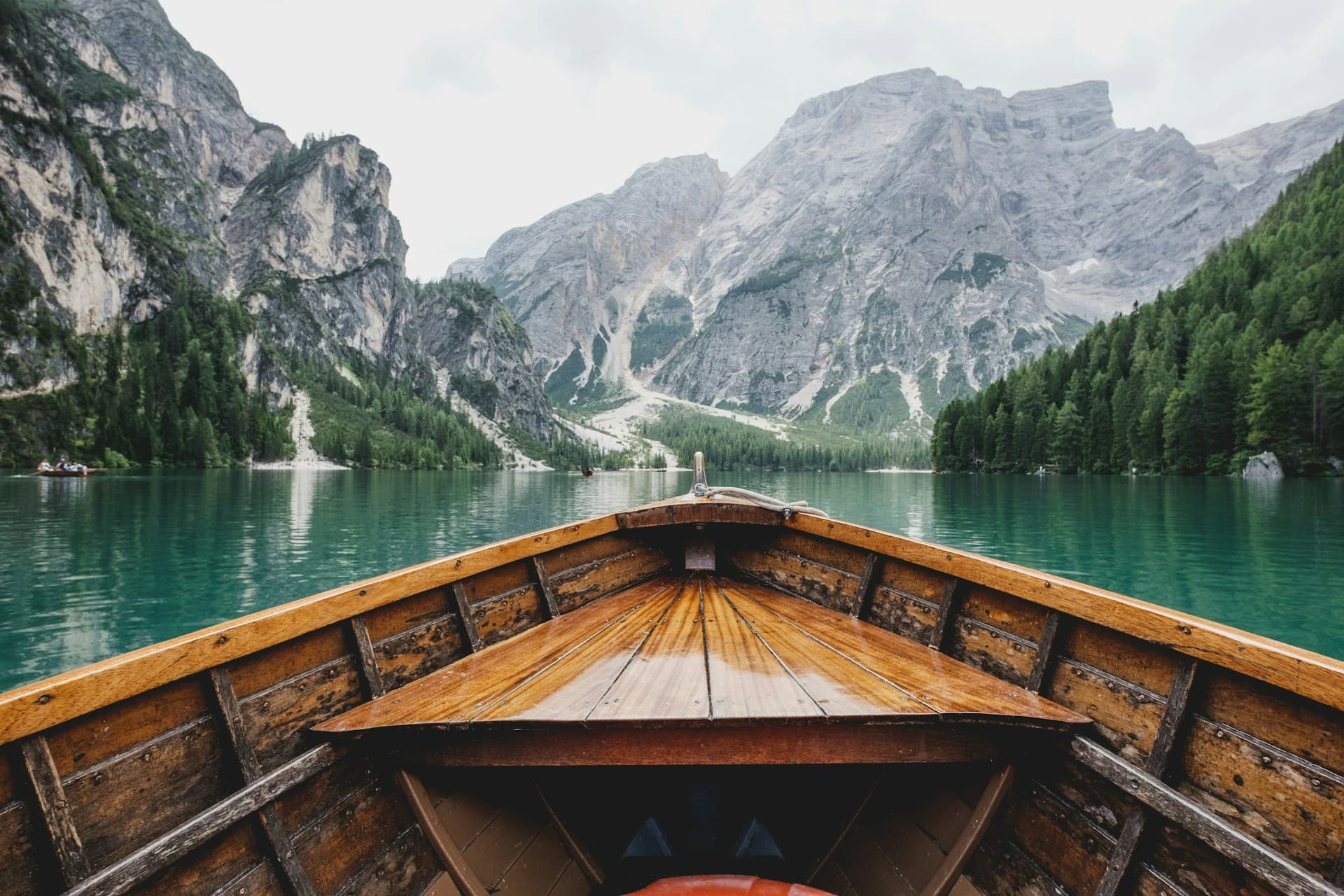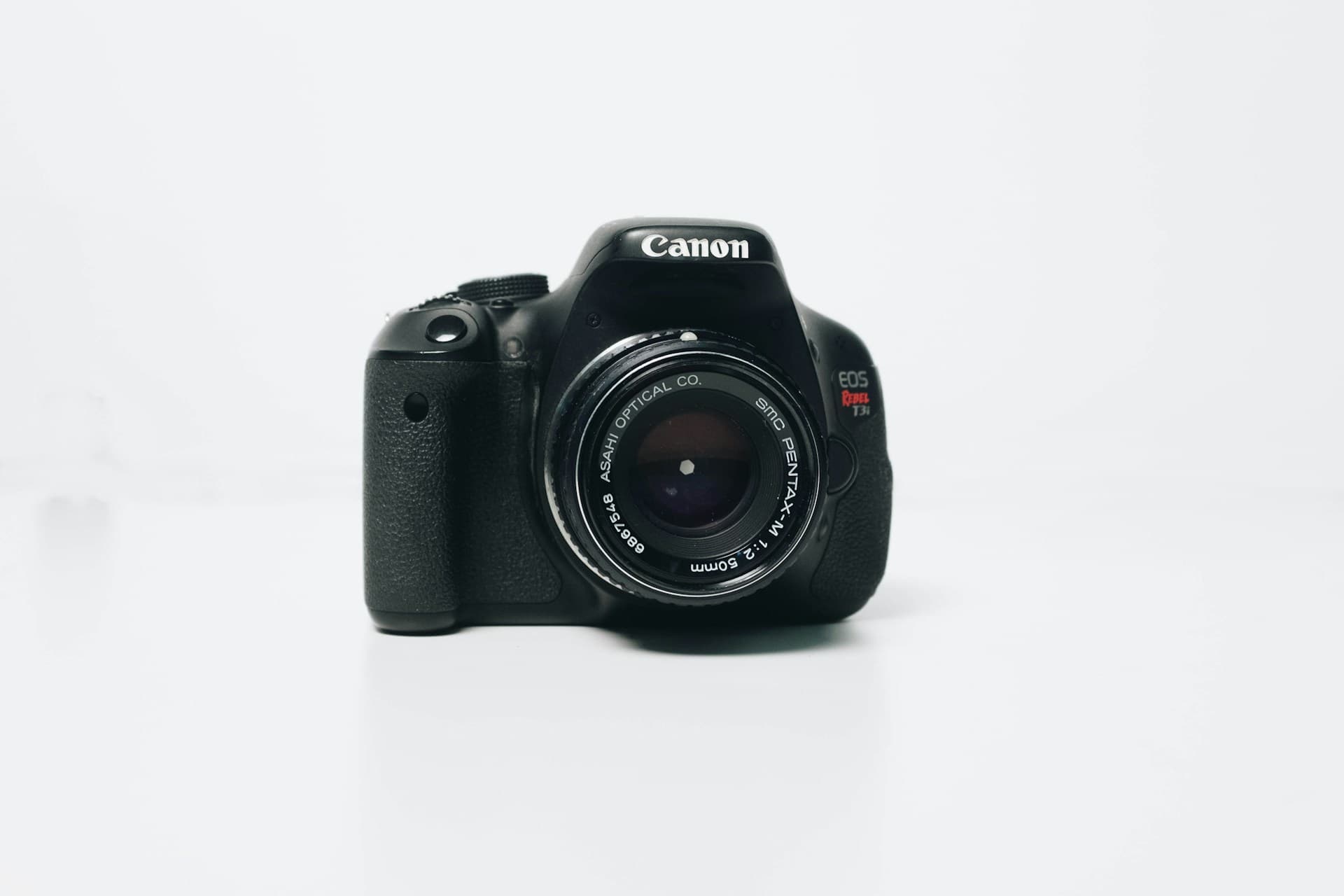

You just got back from an incredible trip. The food was unforgettable, the sunsets were ridiculous, and the streets were alive with color and sound. But when you scroll through your camera roll, the photos look... flat. Generic. They don't capture what it actually felt like to be there.
This is the gap between experiencing travel and photographing it well. The good news: closing that gap has almost nothing to do with your gear and everything to do with a handful of learnable techniques.
This guide covers the principles that separate forgettable snapshots from photos that make people stop scrolling. Every tip works whether you're shooting on a flagship smartphone or a dedicated camera.
Composition: The Foundation of Every Great Photo
Composition is how you arrange the elements within your frame. It's the single most impactful skill in photography, and it's completely free to learn.
The Rule of Thirds
Imagine dividing your frame into a 3x3 grid with two horizontal and two vertical lines. The rule of thirds says to place your main subject along one of those lines, or at one of the four intersection points, rather than dead center.
Most phone cameras have a grid overlay you can enable in settings. Turn it on and leave it on.
- Landscapes: Place the horizon on the top or bottom third line, not the middle. If the sky is dramatic, give it two-thirds of the frame. If the foreground is more interesting, flip that ratio.
- People and subjects: Place a person's eyes at one of the upper intersection points. This feels more natural than centering them.
- Architecture: Align vertical structures like doorways or columns along the vertical third lines.
The rule of thirds is a starting point, not a law. Once you internalize it, you'll know when to break it — perfectly centered symmetrical shots, for example, work precisely because they defy the rule intentionally.
Leading Lines
Leading lines are real-world lines that guide the viewer's eye through the image toward your subject. They add depth and direction to a photo that would otherwise feel flat.
Look for these everywhere you travel:
- Roads and paths stretching into the distance
- Rivers and shorelines curving through a landscape
- Railway tracks, bridges, and fences
- Rows of columns in temples or government buildings
- Shadows cast by afternoon sun
The most powerful leading lines start from the bottom corners of the frame and converge toward your subject. This creates a sense of depth that pulls the viewer into the scene.
Natural Framing
Use elements in the environment to create a frame within your frame. This draws attention to your subject and adds layers of depth.
Common natural frames while traveling include:
- Archways and doorways in old cities and temples
- Tree branches forming a canopy overhead
- Windows looking out onto a scene
- Cave openings revealing a landscape beyond
- Bridges and tunnels
The frame doesn't have to surround all four sides. Even a partial frame on two sides creates structure and focus.
Foreground Interest
One of the most common mistakes in travel photography is shooting a beautiful vista with nothing in the foreground. The result is a flat, postcard-like image that doesn't convey scale or depth.
Fix this by including something in the bottom third of your frame: wildflowers in front of a mountain, cobblestones leading to a cathedral, a coffee cup on a railing with the city behind it. This gives the viewer's eye a starting point and makes the scene feel three-dimensional.
Understanding Light: The Difference Maker
Light is what makes or breaks a photograph. The same scene shot at noon and at sunset will look like two completely different places.
Golden Hour
The golden hour — roughly the first hour after sunrise and the last hour before sunset — produces warm, soft, directional light that flatters everything it touches. Landscapes glow, skin tones look natural, and shadows add texture without being harsh.
Practical golden hour strategy for travelers:
- Check sunrise and sunset times for your destination using an app like Sun Surveyor or PhotoPills
- Plan your most photogenic locations for golden hour visits
- Arrive 15 minutes early — the light changes fast
- Shoot facing toward the sun for silhouettes and warmth, or with the sun behind you for even, warm illumination on your subject
Blue Hour
The 20-30 minutes after sunset (or before sunrise) produce a cool, even blue light that's spectacular for cityscapes. Street lights and building lights are on, but there's still enough ambient light to see detail in the sky. This is when you get those magazine-quality city photos with deep blue skies and warm artificial lights.
You'll need a steady surface or tripod for blue hour shots, as the low light requires longer exposures.
Midday Sun: Making It Work
You can't always shoot at golden hour. Sometimes you're at the Colosseum at 1pm and you need to make it work. Here's how:
- Seek shade: Open shade (shaded areas near bright sunlight) produces soft, even light that's very flattering for portraits
- Shoot into shadows: Look for interesting shadow patterns cast by architecture, trees, or market stalls
- Go indoors: Museums, cathedrals, and markets often have beautiful interior light
- Look down: Overhead sun is terrible for landscapes but great for flat-lay shots of food, maps, and markets
- Use harsh light creatively: Strong shadows create dramatic compositions in narrow alleyways and arcades
Overcast Days
Cloud cover acts as a massive softbox, diffusing sunlight evenly. This is actually ideal for certain types of travel photography:
- Street photography: No harsh shadows on faces
- Forest and jungle scenes: Even light penetrates the canopy
- Colorful subjects: Colors appear more saturated without direct sun creating highlights and shadows
- Waterfalls: Overcast light lets you use slower shutter speeds for that silky water effect
Phone Photography: Maximizing Your Most Important Camera
The best camera is the one you have with you, and that's almost always your phone. Modern smartphones are remarkably capable, but you need to know how to unlock their potential.
Settings That Matter
- Turn on the grid overlay for composition guidance
- Lock exposure and focus by tapping and holding on your subject (works on both iOS and Android)
- Adjust exposure manually by swiping up or down after focusing — slightly underexposing often produces richer, more dramatic images
- Shoot in the highest resolution available and turn on RAW/ProRAW if your phone supports it
- Avoid digital zoom past 2x — it degrades quality rapidly. Instead, shoot wide and crop later
When to Use Each Lens
Modern phones have multiple lenses. Here's when to use each:
- Ultra-wide (0.5x): Architecture, dramatic landscapes, tight spaces, group photos in small rooms
- Main (1x): Your sharpest lens. Use it for everything that doesn't require the others
- Telephoto (2-5x): Compressing layers of a scene together, isolating details, candid street photography from a respectful distance
- Macro: Close-ups of food, flowers, textures, and small details that tell a story
Portrait Mode Done Right
Portrait mode (computational blur) can produce beautiful results or obvious fakes. Tips for natural-looking portrait mode shots:
- Keep your subject 4-8 feet away for the most natural blur falloff
- Avoid subjects with complex edges (wispy hair, chain-link fences) where the blur algorithm struggles
- Don't use portrait mode on objects — it's calibrated for detecting and separating human subjects
- Reduce the blur intensity after shooting if it looks overdone
Dedicated Cameras: Worth the Weight?
For most travelers, a phone is sufficient. But if you're passionate about photography or traveling specifically to photograph, a dedicated camera earns its place in your bag.
What to Bring
- A mirrorless body (Sony A7C II, Fujifilm X-T5, or Canon R7 are excellent travel options — compact but capable)
- One or two versatile lenses: A 24-70mm f/2.8 covers most situations. If you want a second, add a 70-200mm or a fast prime like a 35mm f/1.4
- Extra batteries: Cold weather and heavy shooting drain batteries fast. Carry at least two spares
- A small, lightweight tripod for golden hour, blue hour, and night photography
What to Leave Home
- Multiple prime lenses you'll constantly be swapping
- Heavy full-frame zooms when crop-sensor equivalents exist
- Flash units (natural light is almost always better for travel)
- Lens filters beyond a basic UV/protective filter and a circular polarizer
Editing: Where Good Photos Become Great
Editing is not cheating. It's a fundamental part of photography. Even film photographers spent hours in the darkroom adjusting contrast, dodging, and burning. Your goal is to make the image match what you saw and felt, which a camera's automatic processing often fails to capture.
Mobile Editing Workflow
Adobe Lightroom Mobile (free with limited features, $10/month for full) is the gold standard. A basic workflow:
- Crop and straighten — fix horizons and tighten composition
- White balance — warm up sunset shots slightly, cool down shaded scenes
- Exposure and contrast — bring up shadows, pull down highlights to recover detail
- Clarity and texture — add a touch of clarity for landscapes (+10 to +25), reduce it slightly for portraits
- Saturation and vibrance — vibrance is more subtle and forgiving than saturation. Start with vibrance
- Sharpen — a small amount of sharpening (25-40) helps, especially on phone photos
Snapseed (free, by Google) is an excellent alternative with a more intuitive interface. Its "Selective" tool lets you adjust brightness, contrast, and saturation on specific areas of the image by placing control points.
Common Editing Mistakes
- Over-saturating: If the colors look like a cartoon, pull it back. Real life has muted tones
- Over-sharpening: Creates ugly halos around edges. Subtle is better
- Heavy HDR effects: The "HDR look" with flat, crunchy images was trendy in 2012. It's not anymore
- Applying the same preset to every image: Different lighting conditions need different adjustments. Presets are starting points, not solutions
Backing Up Photos on the Road
Losing your photos is worse than never having taken them. Build redundancy into your workflow.
Cloud Backup Strategy
- Google Photos offers 15GB free with compression, or original quality with a Google One subscription
- iCloud Photos syncs automatically for Apple users — make sure you have enough storage before your trip
- Amazon Photos offers unlimited full-resolution photo storage for Prime members — this is the best value for serious photographers
Set your phone to auto-upload over WiFi each night. When you get back to your hotel, connect to WiFi and let the upload run while you sleep.
Physical Backup
For dedicated cameras, bring a portable SSD (Samsung T7 or similar) and copy your memory cards each evening. Use both cards simultaneously if your camera has dual card slots, writing RAW to one and JPEG to the other.
Never format a memory card until you've confirmed the backup is complete and accessible.
Telling a Story: Beyond Single Shots
The best travel photographers don't just capture pretty scenes — they tell stories. A story requires variety.
The Shot List
For each destination or experience, aim to capture:
- Establishing shots: Wide views that set the scene and give context
- Detail shots: Close-ups of textures, patterns, food, signs, and objects that define the place
- People shots: Locals going about their lives (with respect and permission where appropriate), your travel companions in candid moments
- Action shots: Movement, activity, the energy of a place
- Transition shots: Roads, doorways, pathways — these connect scenes when you review your photos later
- Quiet moments: Empty streets at dawn, a single cup of coffee, the view from your window. These often become your favorites
Portrait Tips for Non-Photographers
You don't need to be a portrait photographer to take great photos of your travel companions.
- Direct people to look away from the camera — at the view, at each other, at a menu. This eliminates the stiff, "say cheese" look
- Shoot from slightly above eye level for the most flattering angle
- Position people at the edge of the frame, not the center, with the scene filling the rest
- Capture candid moments: The laugh, the first bite, the awestruck stare. Keep your camera ready and shoot between the poses
- Use window light for indoor portraits: Position your subject facing a window for soft, directional light that looks professional
The "B-Roll" Mindset
Think of your trip photos like footage for a documentary. The hero shots (sunset over Santorini, the Eiffel Tower) are important, but the B-roll tells the real story: the wrinkled hands of a market vendor, your friend studying a map, steam rising from a street food cart, rain on cobblestones.
Shoot more than you think you need. Storage is cheap. The quiet, observational moments are the ones that transport you back when you look at them years later.
Practical Tips for the Field
Respect and Ethics
- Always ask permission before photographing people, especially in cultures where photography is sensitive
- Don't photograph children without clear parental consent
- Respect "no photography" signs in museums, temples, and sacred sites
- Be aware of your surroundings — don't block pathways, climb on monuments, or trespass for a shot
- Give back: If someone agrees to a portrait, show them the photo. Offer to send it to them if possible
Staying Safe
- Use a wrist strap in crowded areas
- Don't flash expensive gear in high-crime areas
- Be aware that stopping to photograph makes you a target for pickpockets
- Keep your phone in a zipped pocket between shots
- Consider travel insurance that covers camera equipment
Building a Routine
The photographers who consistently get great travel shots aren't more talented — they're more disciplined. Build these habits:
- Wake up early: The best light and emptiest streets happen at sunrise
- Scout locations the day before: Walk around, note angles and lighting direction, plan your return
- Shoot every day: Even on rest days, carry your camera and shoot whatever catches your eye
- Review and edit nightly: Cull your worst shots, edit your favorites, and identify what's missing from your story
- Share selectively: Post your 5 best photos, not your 50 decent ones. Curation is part of the craft
Using AI to Find Photo Spots
Tools like TripGenie can help you discover photogenic locations you might otherwise miss. When building your itinerary, mention that photography is a priority, and the AI can suggest golden hour timing for specific landmarks, lesser-known viewpoints, and photo-friendly walking routes that maximize your visual storytelling opportunities.
Travel photography is a skill that compounds. Every trip, you'll get a little better. The key is to slow down, observe, and shoot with intention rather than reflex. Your camera — whatever it is — is more than capable. Now it's on you to see the light, find the composition, and press the shutter at the right moment.
Topics

Written by
TripGenie Team
The TripGenie team is passionate about making travel planning effortless with AI. We combine travel expertise with cutting-edge technology to help you explore the world.
@tripgenieGet Travel Tips Delivered Weekly
Get our best travel tips, destination guides, and exclusive deals delivered straight to your inbox every week.
No spam, ever. Unsubscribe anytime.