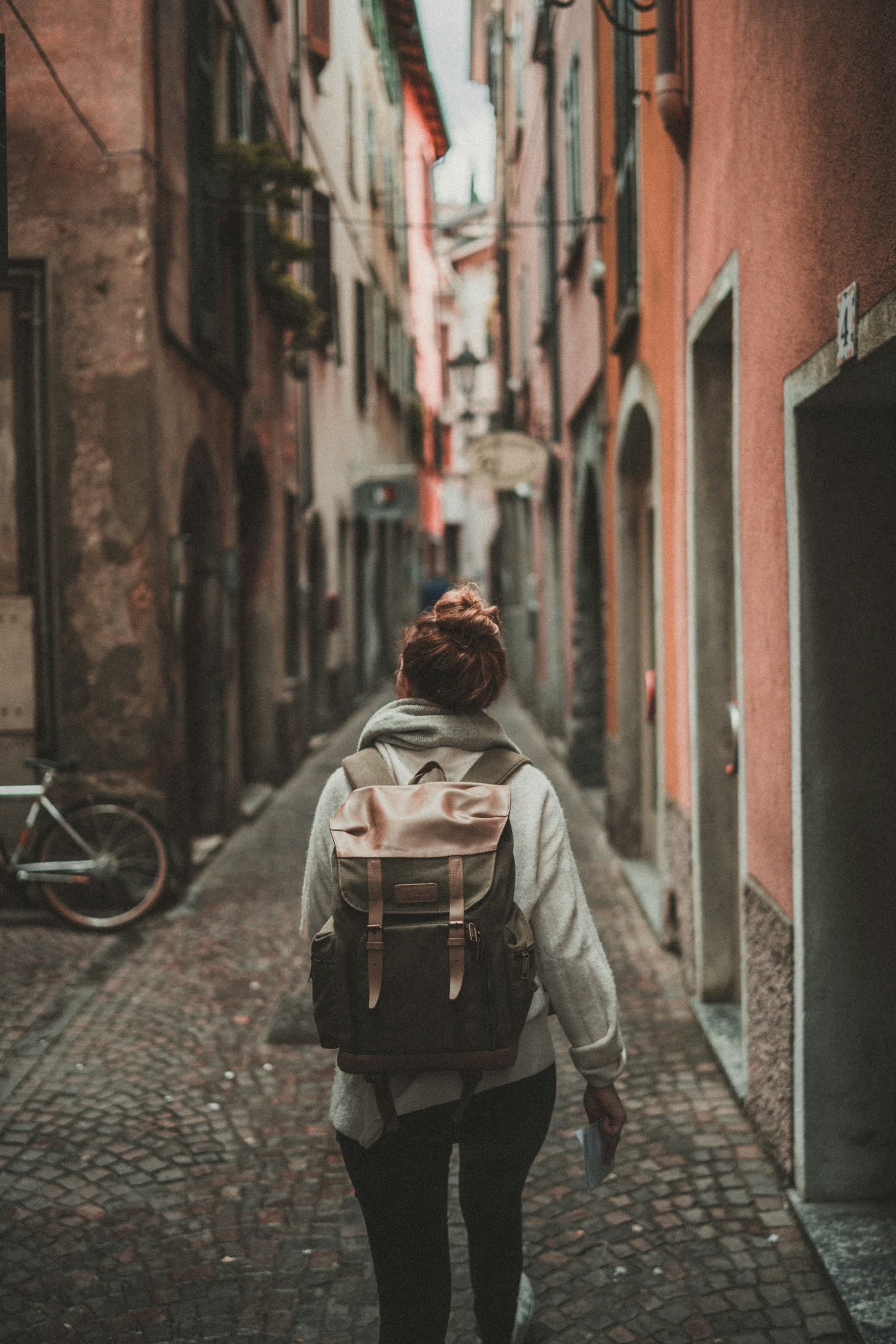

Before we begin, an important framing note: the overwhelming majority of people you will meet while traveling are honest, generous, and genuinely helpful. Every country on this list is full of wonderful people who want nothing more than to share their culture with visitors. Scams exist everywhere, including in your home country. The purpose of this guide is not to make you paranoid but to make you informed, so that the small number of dishonest people you might encounter cannot ruin what should be an incredible experience.
With that said, tourist scams follow predictable patterns. Once you know how they work, they become easy to recognize and avoid. Here is a region-by-region breakdown of the most common scams, how each one operates, and what to do if you find yourself caught in one.
Europe
The Petition Scam
Where: Paris, Rome, Milan, Barcelona, Madrid, and most major European tourist areas.
How it works: A person approaches you with a clipboard, asking you to sign a petition for a charitable cause (deaf children, environmental protection, anti-poverty). While you are reading and signing, an accomplice pickpockets you. Alternatively, after you sign, the petitioner demands a "donation" and becomes aggressive if you refuse.
How to avoid it: Do not stop walking. A firm "No, thank you" without breaking stride is sufficient. Legitimate charities do not collect signatures from tourists on the street. If someone with a clipboard approaches you, keep your hands in your pockets or on your bag and keep moving.
The Bracelet/Friendship String Scam
Where: Paris (especially Sacre-Coeur and the Eiffel Tower), Rome, Barcelona, and tourist hotspots across Southern Europe and North Africa.
How it works: Someone approaches you and ties a bracelet or friendship string around your wrist before you can refuse. Once it is on, they demand payment ($10-20). If you refuse, they become loud and aggressive, creating a scene designed to pressure you into paying to escape the embarrassment.
How to avoid it: Keep your hands in your pockets or behind your back when someone approaches. If anyone reaches for your hand or wrist, pull away immediately and firmly say "No." If a bracelet gets on your wrist, take it off yourself and hand it back. You do not owe anything for something you did not ask for.
The Taxi Meter Trick
Where: Every major city in the world, but particularly common in Prague, Athens, Istanbul, Bucharest, Cairo, Bangkok, and cities without standardized ride-hailing enforcement.
How it works: The taxi driver either claims the meter is broken (and charges an inflated flat rate), takes an unnecessarily long route, or uses a rigged meter that runs faster than normal. Some drivers have a switch that toggles between the regular rate and a "night rate" or "airport rate" that is 2-3 times higher.
How to avoid it: Use ride-hailing apps (Uber, Bolt, Grab, Lyft) whenever possible, as the price is fixed before you get in. If you must use a street taxi, agree on a price before entering the car, or insist the meter is running. Know the approximate cost of your route in advance (ask your hotel or check Google Maps for distance). If the meter reads dramatically more than expected, photograph it and report the driver to local authorities.
The Fake Flower/Gift Scam
Where: Spain, Italy, and tourist areas across the Mediterranean.
How it works: A person hands you a flower, a sprig of rosemary, or a small gift, often a woman who appears elderly or vulnerable. They insist it is "free" or a "gift." Once you accept, they demand payment. If you refuse, they create a scene or follow you.
How to avoid it: Do not accept anything handed to you on the street by strangers. A polite but firm refusal is all that is needed. If something is placed in your hands before you can refuse, put it down on the nearest surface and walk away.
The "Found" Gold Ring
Where: Paris, particularly near the Louvre and along the Seine.
How it works: Someone "finds" a gold ring on the ground near you and asks if it is yours. When you say no, they offer to sell it to you at a "discount" since it is clearly valuable. The ring is worthless brass.
How to avoid it: Say "no" and walk away. No one finds gold rings on the streets of Paris.
Southeast Asia
The Tuk-Tuk Gem Scam
Where: Bangkok (the most common location), but variations exist in Colombo, Phnom Penh, and other Southeast Asian cities.
How it works: A friendly tuk-tuk driver offers you a cheap or free ride. During the ride, he mentions a "special government sale" at a jewelry store that is only happening today. He takes you to the store, where you are shown "gemstones" at "wholesale prices" that you can resell at home for profit. The gems are worthless glass. The tuk-tuk driver earns a commission for bringing you in.
This scam is sophisticated. The store looks legitimate. The staff are convincing. Other "customers" (accomplices) may be in the store appearing to make purchases. Some tourists have spent thousands of dollars on worthless stones.
How to avoid it: Never accept a tuk-tuk driver's suggestion to visit a jewelry store, tailor, or souvenir shop. If the offer sounds too good to be true (free ride, special sale, government-sponsored), it is a scam. Plan your own shopping at stores you have researched independently.
The "Temple Is Closed" Scam
Where: Bangkok (especially near the Grand Palace and Wat Pho), and variations in other Southeast Asian temple cities.
How it works: A well-dressed local approaches you near a popular temple and tells you it is closed today for a ceremony, holiday, or renovation. They helpfully suggest an alternative temple or attraction, and offer to arrange a tuk-tuk to take you there. The tuk-tuk takes you on a route that includes stops at gem shops, tailors, or souvenir stores where the driver earns commissions.
How to avoid it: Ignore anyone outside a tourist attraction who tells you it is closed. Walk to the entrance yourself and check. If it is genuinely closed, there will be an official sign or a closed gate with uniformed security. No legitimate representative of a temple approaches tourists on the street.
The Ladyboy Bar Bill Scam
Where: Bangkok (particularly Patpong and Nana areas), Pattaya, and nightlife districts across Southeast Asia.
How it works: Friendly locals or attractive women invite you to a bar for drinks. You have a few rounds. When the bill arrives, it is astronomical, hundreds or even thousands of dollars for drinks you believed were normally priced. Large security staff appear and make it clear that you are paying the bill before you leave.
How to avoid it: Only drink at bars you have researched or that are recommended by your hotel or trusted guidebook. If someone invites you to a specific bar, be extremely cautious. Always check prices before ordering. If a bill seems inflated, do not argue with security. Pay what you must and leave. Report the establishment to tourist police. The loss of money is not worth a physical confrontation.
The Motorbike Rental Damage Scam
Where: Bali, Thailand (especially Chiang Mai and the islands), Vietnam, and anywhere motorbike rental is common among tourists.
How it works: You rent a motorbike. When you return it, the owner claims you caused damage (scratches, dents) that was already there before you rented it. They demand hundreds of dollars in repair costs, sometimes holding your passport as collateral until you pay.
How to avoid it: Before taking the motorbike, photograph every angle of it, including close-ups of any existing scratches or damage. Record a video walk-around with a timestamp. Send these photos to the rental company via text or email so there is a documented record. Never leave your passport as collateral. Leave a photocopy instead, or choose a rental company that does not require it.
South America
The Fake Police Scam
Where: Colombia (particularly Bogota), Argentina (Buenos Aires), Peru (Lima, Cusco), and Brazil.
How it works: One person approaches you on the street, sometimes offering to sell you something or asking for directions. Shortly after, one or two people in police-like uniforms appear and claim they are investigating counterfeit currency or drug activity. They demand to see your wallet and passport "for inspection." Once they have your wallet, they remove cash or credit cards while appearing to examine the contents.
How to avoid it: Real police officers rarely approach tourists on the street. If someone claims to be police, ask to see official identification and insist on going to the nearest police station (comisaria) to cooperate. Do not hand your wallet to anyone on the street, regardless of what they are wearing. Real police will escort you to a station; fake police will disappear when you suggest it.
The Distraction Theft
Where: Common in Buenos Aires, Rio de Janeiro, Lima, Santiago, and tourist areas across South America.
How it works: Someone "accidentally" spills something on your clothing (mustard, ketchup, a drink) or drops something near your feet. While you are distracted, cleaning yourself off, or bending down, an accomplice grabs your bag, backpack, or reaches into your pocket.
Variations include: a person bumping into you from the front while someone behind you unzips your backpack; a child creating a distraction while another child goes through your pockets; a group of people surrounding you asking for help or signatures while someone picks your pocket.
How to avoid it: If anything spills on you, grab your belongings first and move away before cleaning yourself off. Never put your bag down. Wear your backpack on your front in crowded tourist areas. Use a cross-body bag that stays in front of you. Be especially alert in crowded markets, bus stations, and near ATMs.
The Express Kidnapping
Where: Rare but documented in Colombia, Mexico, Brazil, Ecuador, and Venezuela. Primarily affects people taking unofficial taxis.
How it works: An unofficial taxi driver (or multiple occupants of a vehicle posing as a taxi) takes you to ATMs and forces you to withdraw the maximum daily limit from your bank accounts. This typically lasts a few hours and ends when the criminals have drained what they can.
How to avoid it: Never take unofficial taxis. Use ride-hailing apps exclusively, or have your hotel arrange transportation. When using a ride-hailing app, verify the car's license plate, make, and driver's photo before getting in. Share your live location with someone. In higher-risk cities, avoid traveling alone at night.
Africa
The Unofficial Guide Scam
Where: Morocco (particularly Fez and Marrakech medinas), Egypt (pyramids area, Valley of the Kings), and tourist areas across North and West Africa.
How it works: A "helpful" local offers to guide you through the medina, to a specific shop, or to a tourist attraction. They insist it is free, or that they just happen to be going the same way. After leading you through confusing streets (sometimes deliberately getting you lost), they demand a substantial payment. If you refuse, they become aggressive or threaten to leave you lost in the medina.
How to avoid it: If you want a guide, hire one through your hotel or a reputable tour company. Politely decline unsolicited offers to help with navigation. Use offline Google Maps (download the map before entering areas with limited connectivity). If someone attaches themselves to you despite refusals, stop walking, firmly say you do not need help, and ask them to leave. If they persist, walk into the nearest shop or restaurant and ask the owner for assistance.
Money Exchange Tricks
Where: Egypt, Morocco, Kenya, Tanzania, Nigeria, and countries with less formalized currency exchange.
How it works: Several variations exist:
- Shortchanging: The exchange booth counts out your money, then distracts you and removes several bills while handing the stack over. You walk away with less than you should have.
- The switch: You hand over US dollars or euros. The exchanger inspects them and claims one bill is damaged, counterfeit, or an old series. They "switch" it for a genuine bill of lower denomination and pocket the difference.
- Fake rate boards: The displayed rate looks excellent, but the actual rate applied includes hidden fees or commissions that bring it far below market value.
How to avoid it: Exchange money at banks, ATMs, or your hotel. If you must use a street exchanger, count your money carefully before walking away. Never let someone take your bills out of your sight. Use the Wise app or XE to check the real exchange rate before any transaction.
The "Closed Road" Detour Scam
Where: Egypt and North Africa primarily, but variations exist in East Africa.
How it works: Your taxi driver or tour driver claims the road to your destination is closed for construction, a government event, or an accident. The "detour" conveniently routes through a perfume shop, papyrus factory, or carpet store where the driver earns commission.
How to avoid it: Check the route on your phone using Google Maps or Waze. If the driver claims a road is closed, verify by checking the map. If the alternative route passes through commercial establishments, insist on going directly to your destination or ask to be let out.
Middle East
The Carpet Shop Pressure Sale
Where: Turkey (especially Istanbul's Grand Bazaar), Morocco, Iran, and across the Middle East.
How it works: You are invited into a carpet shop for tea (a genuine hospitality tradition). The owner shows you carpets, shares their history and craftsmanship, and creates an atmosphere of warmth and obligation. After 30-60 minutes of tea and storytelling, prices are presented. The initial price is extremely high. The negotiation begins, and the pressure intensifies. The seller may express disappointment, suggest you are insulting their craft, or claim a special discount "just for you." The environment is designed to make you feel obligated to purchase after receiving hospitality.
Important context: Carpet shops are legitimate businesses, and Turkish and Moroccan carpets can be genuinely beautiful and valuable. This is not a "scam" in the traditional sense; it is a high-pressure sales environment that uses hospitality as a sales technique. Some travelers love this experience and buy beautiful carpets at fair prices. Others feel trapped and buy things they did not want.
How to handle it: Enjoy the tea. Appreciate the craftsmanship. If you want to buy, negotiate hard (start at 40-50% of the asking price). If you do not want to buy, say so directly and firmly. "Thank you for the tea and your time, but I am not going to buy today." Repeat this as many times as necessary. Stand up and walk toward the door. You are never obligated to purchase, regardless of how much tea you have consumed.
The Overcharging Taxi From the Airport
Where: Istanbul, Cairo, Amman, and most Middle Eastern cities.
How it works: Airport taxi drivers target arriving tourists with inflated fares, claiming the meter is broken, that it is a "fixed price" from the airport, or that additional fees apply for luggage, nighttime, or number of passengers.
How to avoid it: Use the official airport taxi stands with posted prices. Many Middle Eastern airports have prepaid taxi kiosks inside the terminal where you pay a fixed rate before getting in the car. Alternatively, use ride-hailing apps (Uber works in most Middle Eastern countries; Careem is the regional alternative). Always agree on a price before entering a taxi, or insist the meter runs.
Universal Scams (Found Everywhere)
The Wi-Fi Phishing Scam
Where: Every major city and tourist area in the world.
How it works: A fake Wi-Fi network is set up with a name similar to a legitimate hotel, cafe, or public network (e.g., "Hilton_Guest_Free" in a hotel lobby, or "Airport_WiFi_Free"). When you connect, the network operator can intercept your data, including passwords, emails, and financial information.
How to avoid it: Only connect to Wi-Fi networks whose exact name is confirmed by hotel staff, cafe employees, or official signage. Use a VPN on all public Wi-Fi connections. Avoid accessing banking or sensitive accounts on public Wi-Fi entirely.
The ATM Skimming Scam
Where: Global, but most common in tourist-heavy areas of Europe, Southeast Asia, and South America.
How it works: A device is attached to the card slot of an ATM that reads your card information. A hidden camera or overlay captures your PIN. Your card is cloned and used for unauthorized withdrawals.
How to avoid it: Use ATMs inside banks rather than standalone ATMs on the street. Before inserting your card, pull on the card slot firmly. Skimming devices are attached with adhesive and will wiggle or come loose. A genuine card slot is firmly fixed. Cover the keypad with your hand when entering your PIN. Monitor your bank statements closely while traveling.
The Fake Currency Return Scam
Where: Global, particularly in countries with similar-looking banknotes of different denominations.
How it works: You pay with a large bill. The vendor shows you a smaller bill and claims that is what you gave them, demanding additional payment. For example, you hand over a 50 but the vendor shows you a 10 and says you need to pay more.
How to avoid it: When paying with cash, clearly state the denomination out loud: "I am paying with a fifty." Watch the vendor handle your bill. Do not look away until you have received your correct change.
What to Do If You Get Caught in a Scam
Despite your best efforts, you may still encounter a scam. Here is how to respond:
During the Scam
- Stay calm. Panic leads to bad decisions. Scammers rely on your emotional reaction.
- Do not escalate physically. Your safety is more important than your wallet. If the situation feels threatening, comply with the demand and walk away.
- Make noise. In most public scams (pickpocketing, pressure sales, bracelet scams), loudly saying "No" or "Please stop touching me" in English or the local language draws attention from bystanders, which is the last thing a scammer wants.
- Walk toward people, not away from them. Move toward a crowded area, a police officer, or an open shop.
After the Scam
- Report it. File a report with local police (especially for theft or fraud). Some countries have tourist police units specifically for this purpose.
- Contact your bank. If your credit card or bank information was compromised, cancel the card immediately and dispute any unauthorized charges.
- Document everything. Write down what happened, when, and where while it is fresh in your memory. Take photos if relevant.
- Do not blame yourself. Scammers are professionals. They do this every day. Being scammed does not mean you are naive; it means you encountered someone who is very good at deception.
A Final Perspective
Reading a comprehensive list of scams can make the world feel like a hostile place. It is not. I have traveled to every region mentioned in this article, and my overwhelming experience has been one of kindness, generosity, and genuine human connection.
The shopkeeper in Marrakech who invited me for tea and charged me fairly for a beautiful rug. The tuk-tuk driver in Bangkok who went out of his way to drop me at the right temple and refused payment beyond the agreed fare. The stranger in Buenos Aires who noticed I looked lost and walked me ten blocks to my destination.
These experiences outnumber the scams a hundred to one. The scam awareness is a precaution, like locking your car or carrying travel insurance. It does not define the trip. It just means you arrive prepared, so you can spend your time doing what you came for: experiencing the extraordinary diversity and beauty of this world.
Topics

Written by
TripGenie Team
The TripGenie team is passionate about making travel planning effortless with AI. We combine travel expertise with cutting-edge technology to help you explore the world.
@tripgenieGet Travel Tips Delivered Weekly
Get our best travel tips, destination guides, and exclusive deals delivered straight to your inbox every week.
No spam, ever. Unsubscribe anytime.