
Wellness travel is no longer a niche category. It has evolved from a handful of ashrams and luxury spas into a global industry encompassing everything from silent meditation retreats in Myanmar to volcanic thermal baths in Iceland to breathwork workshops in the Costa Rican jungle.
But the explosion of options has made choosing harder. Not all wellness retreats are created equal — some are transformative, and some are overpriced gimmicks with essential oils and a good Instagram account. This guide covers the best destinations and experiences across the wellness spectrum, with honest advice on what is genuinely worth your time and money.
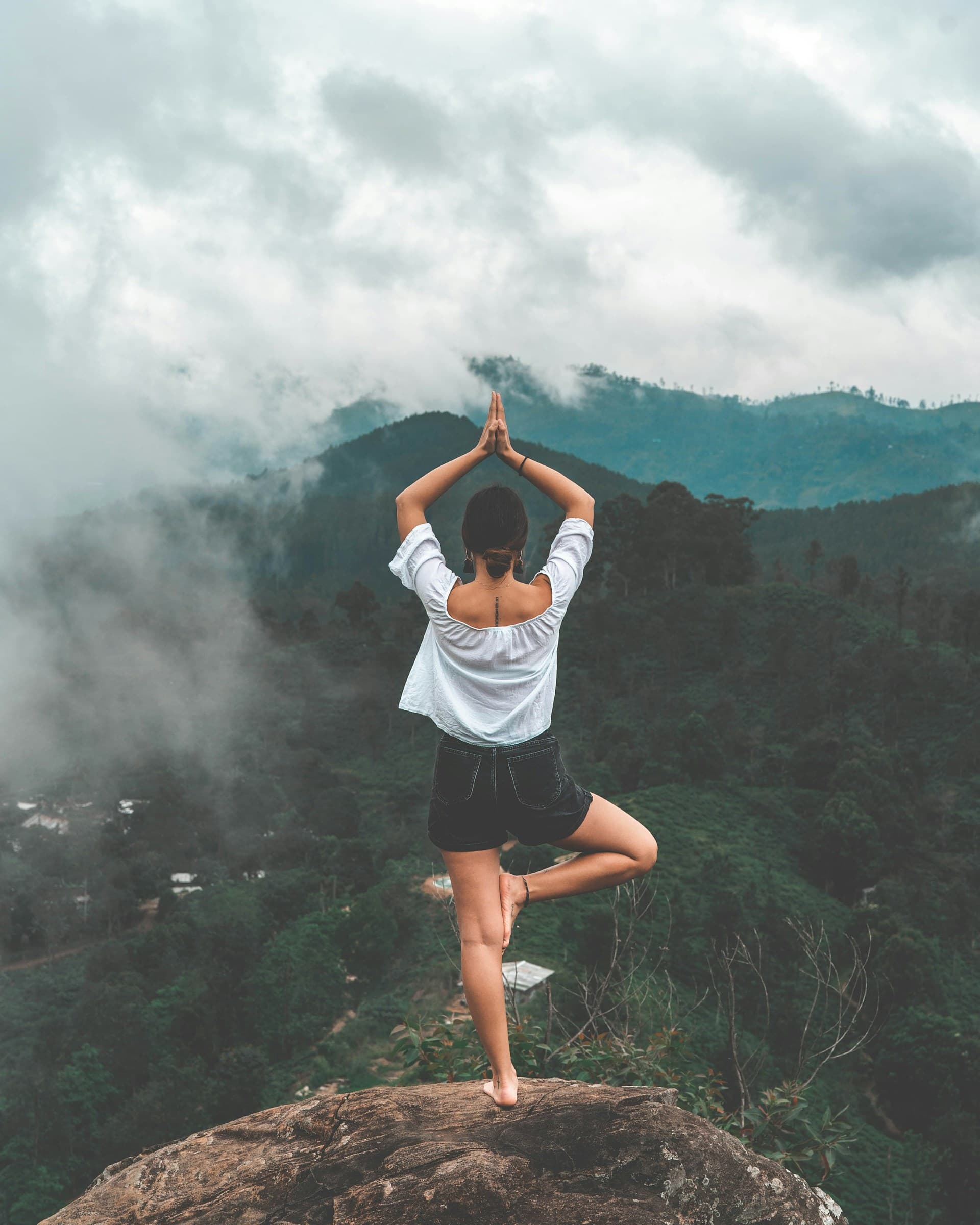
Yoga Retreats
Bali, Indonesia
Bali is the world capital of the yoga retreat. The combination of spiritual culture, lush tropical scenery, affordable prices, and a deep concentration of experienced teachers makes it the default destination for yoga travelers.
Where to go:
- Ubud: The epicenter. The Yoga Barn is the most established studio, offering drop-in classes ($12-15) and multi-day retreats. Radiantly Alive and Taksu Yoga are excellent alternatives.
- Canggu: More beach-focused. The Practice and Desa Seni offer strong programs in a surf-town setting.
- Sidemen: The quiet alternative. Rice terraces, fewer tourists, and small retreat centers like Samanvaya offer intimate experiences.
What to expect: Retreats range from casual (yoga and surf combo weeks) to intensive (200-hour teacher training). Most include daily yoga, meditation, healthy meals, and optional treatments (massage, sound healing, cacao ceremonies).
Budget: Budget retreats from $40-80/day all-inclusive. Mid-range $100-200/day. Luxury (COMO Shambhala, Four Seasons) $300-800/day.
Best time: April to October (dry season). Avoid late December/January when prices spike.
Rishikesh, India
Rishikesh, on the banks of the Ganges in the Himalayan foothills, is yoga's spiritual homeland. The Beatles came here in 1968, and the city has been a pilgrimage site for yoga practitioners ever since.
Where to go:
- Parmarth Niketan Ashram: One of the largest ashrams on the Ganges. Daily yoga, meditation, and the evening Ganga Aarti ceremony (fire offering at the river). Donations-based accommodation.
- Sivananda Ashram: Traditional Hatha yoga following the Sivananda lineage. Strict schedule (5:30 AM wake-up), simple accommodation, and vegetarian meals. Around $10-15/day.
- Private retreat centers: Anand Prakash, Veda5, and AyurYoga Eco-Ashram offer more comfortable retreats with a mix of yoga, Ayurveda, and meditation. $50-150/day.
What to expect: Rishikesh ranges from serious spiritual practice (ashram life with predawn meditation and strict discipline) to comfortable retreat experiences with Ayurvedic spa treatments. The authentic ashram experience is physically demanding and mentally challenging — but potentially life-changing.
Budget: Ashrams from $5-15/day (donations). Private retreats $30-150/day. Teacher training (200-hour) from $1,000-3,000.
Best time: February to May and September to November. Monsoon (July-August) is very wet. December-January is cold.
Costa Rica
Costa Rica's yoga scene blends tropical nature, adventure, and wellness into a package that appeals to travelers who want to combine yoga with surfing, hiking, or wildlife spotting.
Where to go:
- Nosara (Nicoya Peninsula): A surf-and-yoga town on one of the world's five Blue Zones (regions where people live exceptionally long lives). Bodhi Tree Yoga Resort and the Harmony Hotel are standouts.
- Santa Teresa: More of a surf town with yoga on the side. Pranamar Villas offers beachfront yoga and wellness.
- Arenal area: Jungle yoga retreats with hot springs access. The Tabacon Thermal Resort combines luxury spa with volcanic-heated pools.
Budget: Mid-range to luxury. Retreats from $100-300/day. Costa Rica is not a budget yoga destination, but the quality of the experience — jungle setting, excellent food, professional teachers — is consistently high.
Best time: December to April (dry season). The green season (May-November) offers lower prices and dramatic landscapes.
Thermal Spas and Hot Springs
Iceland
Iceland's geothermal landscape offers some of the most dramatic bathing experiences on Earth. Volcanic heat creates natural hot springs, steam vents, and geothermal pools across the island.
Must-visit:
- Blue Lagoon: The most famous geothermal spa in the world. The milky-blue water, silica mud masks, and volcanic landscape are genuinely impressive, despite the tourist crowds. Book in advance — walk-ins are no longer possible. From $75 for basic entry.
- Sky Lagoon: Newer and less crowded than the Blue Lagoon, with an infinity-edge pool overlooking the ocean near Reykjavik. The Ritual (a 7-step spa experience) is outstanding. From $55.
- Myvatn Nature Baths: The Blue Lagoon of the north, but smaller, less commercial, and set in a volcanic landscape near Lake Myvatn. $45.
- Secret Lagoon (Gamla Laugin): A small, natural hot spring in Fludir, fed by a bubbling geyser. The oldest swimming pool in Iceland. $25.
- Wild hot springs: Reykjadalur (a hike-to hot river near Hveragerdi), Seljavallalaug (a mountainside pool in the south), and Hellulaug (a cliffside pool in the Westfjords) are free.
Best time: Year-round. Winter (October-March) adds Northern Lights and a magical atmosphere. Summer offers midnight sun.
Budapest, Hungary
Budapest is the "City of Spas" — built on over 120 natural thermal springs. The bathing culture dates back to Roman times and was expanded significantly during the Ottoman occupation.
Must-visit:
- Szechenyi Baths: The largest thermal bath complex in Europe. The neo-baroque building, outdoor pools steaming in winter, and the chess-playing bathers create an unforgettable scene. Weekday entry from $25.
- Gellert Baths: Art Nouveau elegance. The main hall with its marble columns and stained glass feels like bathing in a cathedral. From $28.
- Rudas Baths: Ottoman-era baths with a rooftop pool offering panoramic views of the Danube and the Budapest skyline. The most atmospheric of the traditional baths. From $20.
- Kiraly Baths: Intimate Ottoman baths in a quieter setting. From $15.
Best time: Year-round, but winter is particularly magical — the steam rising from outdoor pools into cold air is otherworldly.
Japan
Japan's onsen (hot spring) culture is among the deepest bathing traditions in the world. Volcanic activity creates thousands of natural hot springs across the country, and the ritual of bathing — washing thoroughly before entering, soaking in silence, moving between pools of different temperatures — is meditative in itself.
Must-visit:
- Kurokawa Onsen (Kyushu): A village of traditional ryokans nestled in a forested gorge. Buy a rotemburo meguri pass (1,300 yen) to visit three different outdoor baths at different properties.
- Hakone: The most accessible onsen area from Tokyo (90 minutes by train). Tenzan Toji-kyo offers multiple outdoor baths in a mountainside setting.
- Kinosaki Onsen: A charming onsen town on the Sea of Japan coast. Wear a yukata (cotton robe) and wooden geta sandals to stroll between seven public bathhouses.
- Beppu (Kyushu): The onsen capital of Japan with more hot spring water volume than anywhere else in the country. The "hells" (jigoku) are spectacularly colored boiling pools (for viewing, not bathing).
- Noboribetsu (Hokkaido): A valley of active volcanic vents feeding some of Japan's most mineral-rich baths.
Important note: Most traditional onsen do not allow entry for people with tattoos. Some have relaxed this policy, but check in advance. Private baths (kashikiri) are available at many ryokans.
Budget: Day-use onsen from $5-20. Ryokan stays with meals and private onsen from $150-500/night.
Meditation Retreats
Vipassana Centers (Worldwide)
Vipassana meditation retreats, as taught by S.N. Goenka, are held at centers around the world and follow a standard 10-day format: 10 hours of meditation per day, noble silence (no speaking, reading, writing, or phone use), vegetarian meals, and no cost — the courses are funded entirely by donations from previous students.
What to expect: This is not a spa experience. It is rigorous, often uncomfortable, and mentally demanding. You wake at 4 AM, meditate in hour-long sessions with short breaks, eat simple vegetarian meals, and go to bed at 9 PM. Many participants describe it as one of the hardest and most rewarding things they have ever done.
Where to go: Dhamma.org lists centers worldwide. Popular locations include:
- Dhamma Giri (Igatpuri, India): The global headquarters and largest center.
- Dhamma Medini (New Zealand): A beautiful rural setting near Auckland.
- Dhamma Kancana (Thailand): Near Kanchanaburi, west of Bangkok.
- Centers in the US (Massachusetts, California, Texas), UK, and throughout Europe.
Cost: Free (donations accepted after completing a course).
Thailand
Thailand's Buddhist meditation tradition offers experiences ranging from casual temple stays to intensive silent retreats.
Must-visit:
- Wat Suan Mokkh (Surat Thani): A forest monastery offering monthly 10-day silent meditation retreats. Spartan conditions (sleeping on a concrete bed with a wooden pillow), but the teaching is excellent and the forest setting is peaceful. By donation.
- Wat Ram Poeng (Chiang Mai): Offers 10-day and 26-day meditation retreats in the Mahasi Sayadaw Vipassana tradition. More structured than Suan Mokkh, with individual instruction.
- Dipabhavan Meditation Center (Koh Samui): Monthly 7-day silent retreats on a hillside overlooking the Gulf of Thailand. By donation.
Myanmar
Myanmar has some of the deepest Theravada Buddhist meditation traditions in the world. For serious practitioners, a retreat here can be profoundly different from the more tourist-oriented options elsewhere.
Must-visit:
- Mahasi Sasana Yeiktha (Yangon): The center where the Mahasi method of Vipassana was developed. Retreats of one month or longer for serious practitioners. By donation.
- Pa-Auk Forest Monastery (Mawlamyine): Intensive Samatha-Vipassana practice. Long-term stays encouraged.
Note: Check current travel conditions for Myanmar, as political instability has affected access to some areas.
Luxury Wellness
Maldives
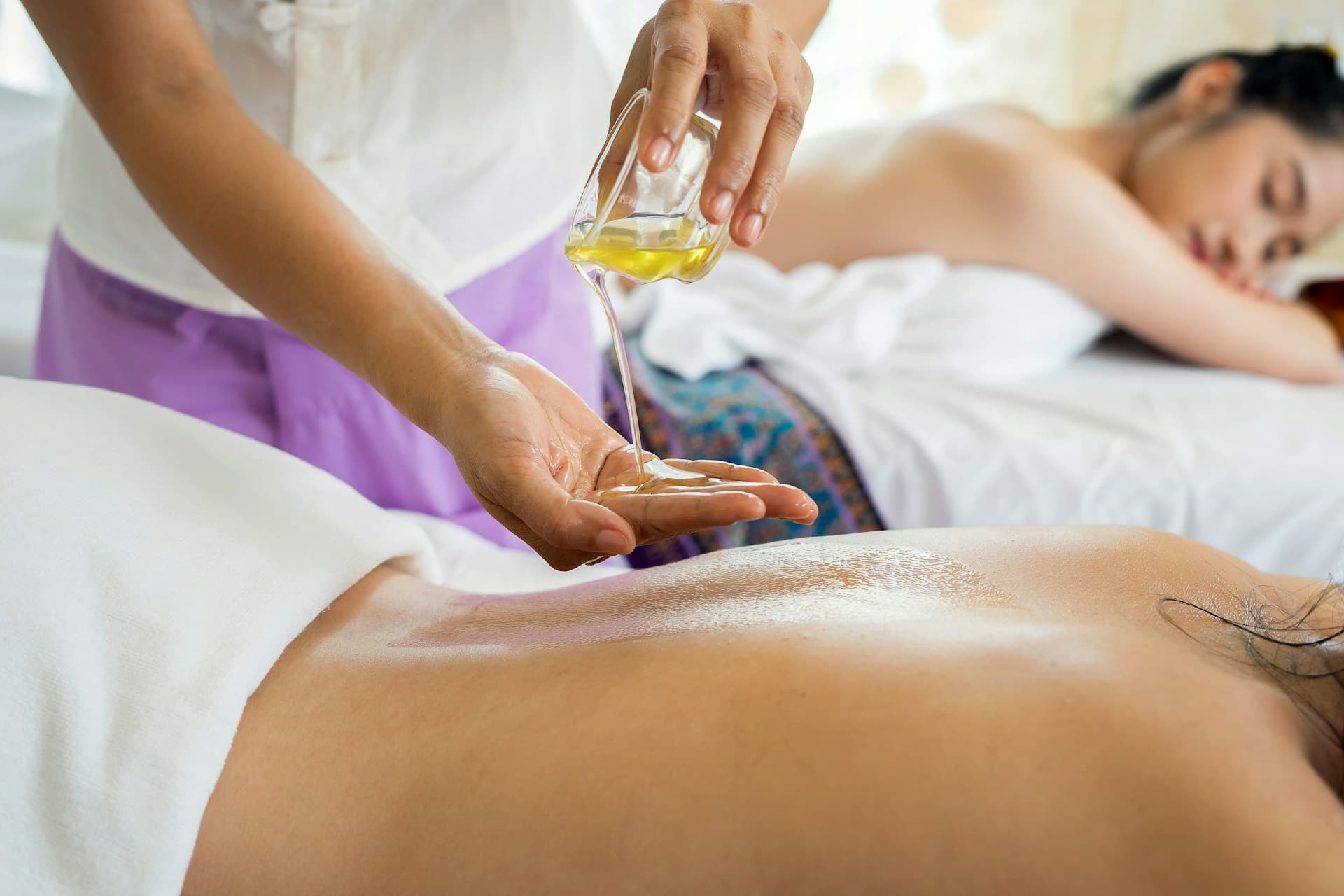
The Maldives' overwater spa experiences are among the most indulgent in the world. The combination of pristine natural beauty, privacy, and service excellence creates a wellness experience that is as much about sensory pleasure as inner transformation.
Top wellness resorts:
- JOALI Being: A dedicated wellness island (separate from the JOALI resort) designed around four pillars of well-being. Programs include sound healing, herbalism, movement, and nutrition. Immersive multi-day programs from $1,000+/night.
- Soneva Fushi: The "Intelligent Luxury" resort with a wellness focus. Detox programs, Ayurvedic treatments, and astronomy sessions. From $800/night.
- COMO Maalifushi: Shambhala wellness programs integrated into a stunning resort. Yoga, Ayurvedic treatments, and personalized wellness plans. From $600/night.
Switzerland
Switzerland's wellness tradition combines Alpine scenery with a precision approach to health and rejuvenation.
Top wellness destinations:
- Clinique La Prairie (Montreux): One of the world's most prestigious medical wellness clinics. Longevity programs, genetic testing, and regenerative treatments. Programs from $5,000/week.
- The Dolder Grand (Zurich): A grand hotel with a 4,000 sqm spa. Forest setting, city views, and meticulous Swiss service. From $500/night.
- Bains de Lavey: The hottest thermal springs in Switzerland (70C at source), set in the Rhone Valley. A more accessible and affordable option ($40-60 day entry).
- Leukerbad: An Alpine village with Europe's largest thermal bathing complex. Communal thermal pools surrounded by mountains. Hotels from $100/night.
Sedona, Arizona
Sedona's red-rock landscape and reputation for "vortex" energy sites have made it the wellness capital of the American Southwest.
What to experience:
- Vortex hikes: Bell Rock, Cathedral Rock, Airport Mesa, and Boynton Canyon are the four main vortex sites. Whether or not you believe in vortex energy, the hikes are spectacular.
- Mii amo (L'Auberge de Sedona): A destination spa consistently ranked among the best in the US. Multi-day programs combining bodywork, movement, nutrition, and outdoor activities. From $800/night all-inclusive.
- Sound healing and crystal therapy: Sedona has a concentration of alternative healers offering everything from crystal bowls to chakra balancing. Quality varies — ask for recommendations at your hotel.
How to Choose a Wellness Retreat
What to Look For
- Qualified teachers/practitioners: Yoga teachers should have recognized certifications (200-hour minimum, ideally 500-hour). Meditation teachers should have a lineage or established tradition. Spa therapists should be trained and experienced.
- Clear program structure: A good retreat has a defined schedule, stated goals, and a coherent philosophy. Vague promises of "transformation" without specific methods are a warning sign.
- Transparent pricing: All-inclusive pricing that covers accommodation, meals, activities, and treatments. Hidden fees for extras are a red flag.
- Reviews from past participants: Look for detailed reviews that describe the actual experience, not just the scenery. BookRetreats.com and TripAdvisor are useful sources.
- Reasonable group sizes: Intimate retreats (8-20 participants) generally offer better experiences than large-scale operations.
Red Flags to Avoid
- Excessive guru worship or pressure to follow a single leader: A good teacher empowers you; a cult leader creates dependency.
- Promises of miraculous healing or cures: Wellness retreats can be profoundly beneficial, but they are not a substitute for medical treatment. Be wary of retreats that claim to cure serious diseases.
- No refund or cancellation policy: Legitimate operations offer reasonable cancellation terms.
- Pressure to sign up for additional (expensive) programs on-site: This is a sales tactic, not a wellness practice.
- Isolation without support: Multi-day silent retreats should have experienced teachers available for individual check-ins. Complete isolation without guidance can be psychologically risky for some people.
- Unregulated plant medicine ceremonies: Ayahuasca, psilocybin, and similar substances are offered at some retreats. If you choose to participate, ensure the ceremony is led by experienced, traditional practitioners with medical screening, safety protocols, and integration support.
Budget vs. Luxury
The most expensive retreat is not necessarily the best. An ashram in Rishikesh offering genuine teaching for $10/day can be more transformative than a $1,000/night luxury resort with a spa menu. The question is what you need: if you are burned out and need pampering, choose luxury. If you are seeking deeper practice, choose a center known for its teaching, regardless of the thread count.
Building a Wellness Itinerary
A well-planned wellness trip balances structured retreat time with exploration and rest. Cramming too many treatments, classes, and experiences into a single trip defeats the purpose.
TripGenie can help design a wellness-focused itinerary that builds in the right balance of activity and stillness, matches retreat centers to your experience level and budget, and handles the logistics so you can focus on the inner work.
Topics

Written by
TripGenie Team
The TripGenie team is passionate about making travel planning effortless with AI. We combine travel expertise with cutting-edge technology to help you explore the world.
@tripgenieGet Travel Tips Delivered Weekly
Get our best travel tips, destination guides, and exclusive deals delivered straight to your inbox every week.
No spam, ever. Unsubscribe anytime.