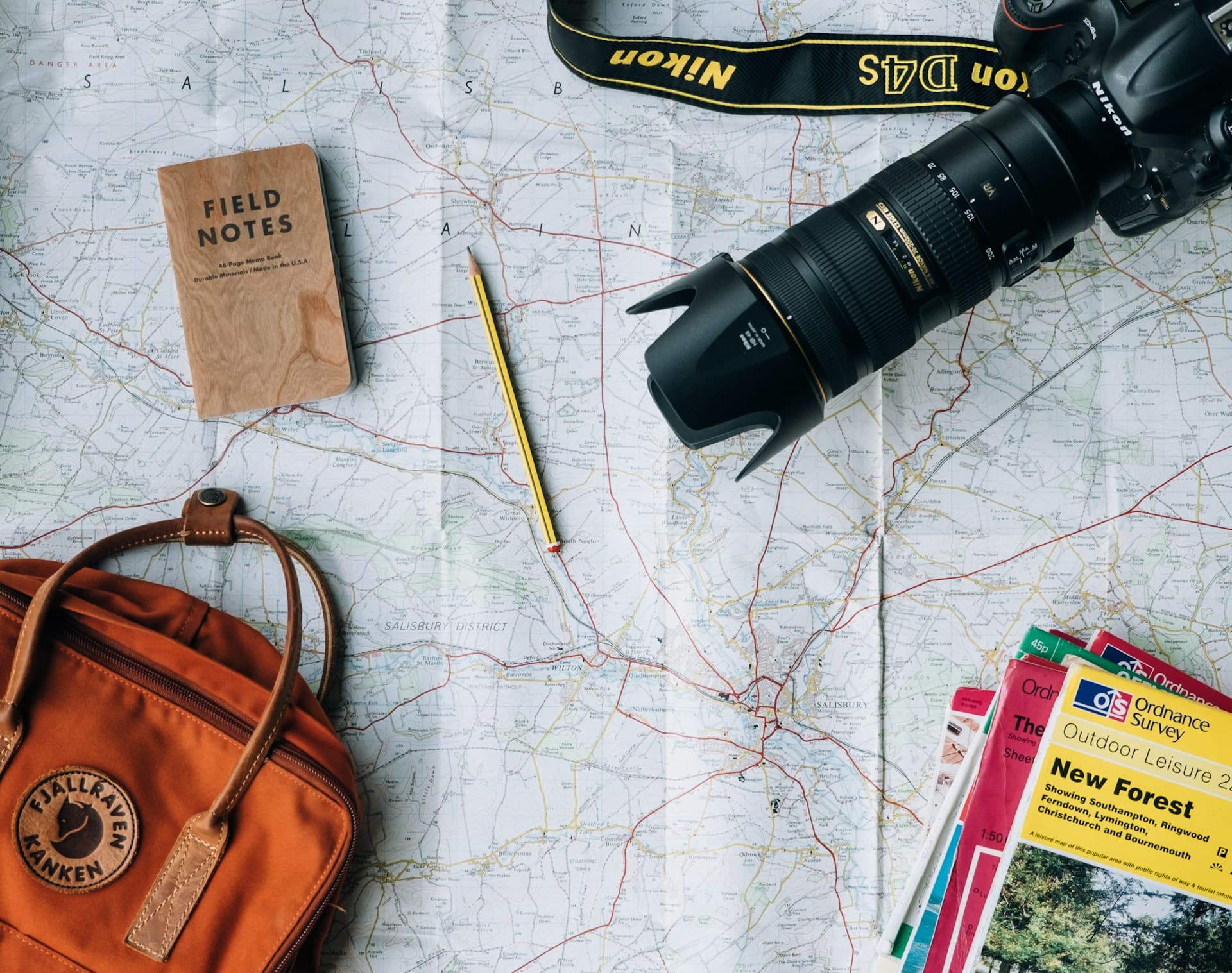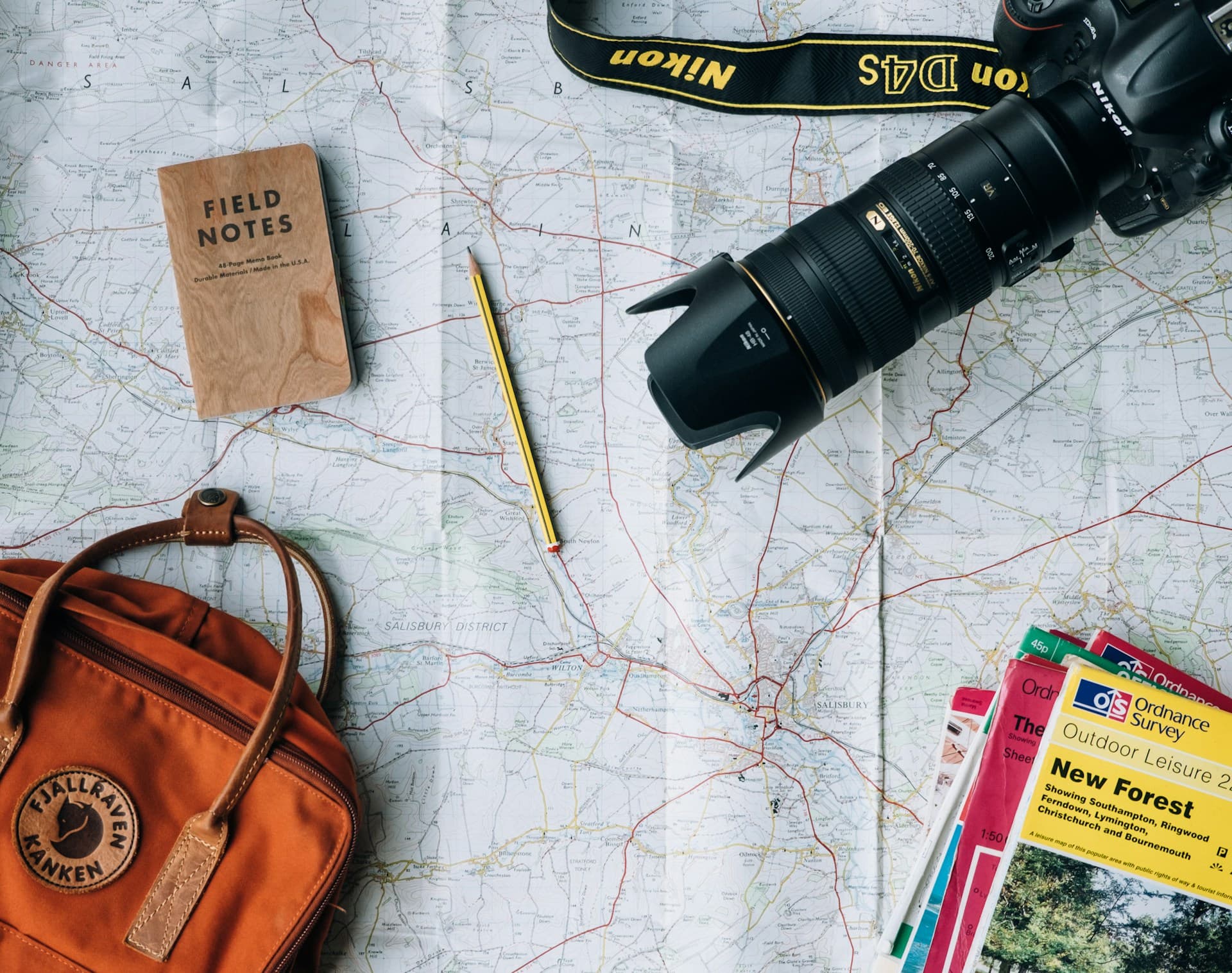

A great itinerary is not a rigid schedule. It is a framework that ensures you hit the things you care about most while leaving room for the things you cannot predict: the restaurant a local recommends, the street festival you stumble into, the afternoon you spend sitting in a park because the light is too beautiful to leave.
The problem is that most people approach itinerary planning from the wrong end. They start with a list of attractions and try to cram everything in. The result is an exhausting schedule that looks impressive on paper and feels terrible in practice. Three museums before lunch. A sunset hike after a full day of walking. An early morning flight after a late dinner.
This guide walks you through a better process, step by step, from the initial idea to a polished day-by-day plan.
Step 1: Define Your Trip Parameters
Before you research a single attraction, answer these five questions:
How Many Days Do You Have?
Not how many days you wish you had. How many days you actually have, minus travel days. A 10-day trip with one travel day on each end gives you 8 days at the destination. Plan for 8 days, not 10.
What Is Your Budget?
Set a realistic daily budget that includes accommodation, food, activities, and local transportation. This number shapes every other decision. A $50/day budget in Tokyo creates a very different itinerary than a $200/day budget.
Rough daily budget ranges by travel style:
- Budget: $30 to $60/day (hostels, street food, free activities, public transit)
- Mid-range: $80 to $150/day (hotels, restaurants, paid activities, occasional taxis)
- Comfort: $150 to $300+/day (boutique hotels, fine dining, private tours, ride-shares)
What Is Your Travel Style?
Be honest with yourself. Are you someone who thrives on a packed schedule, or do you need downtime? Do you want to see the major sights, or do you prefer wandering neighborhoods? Are you a morning person or a night owl?
This is not about what you think you should want. It is about what actually makes you happy on a trip.
Who Are You Traveling With?
Solo travel means you set the pace. Couples need compromise. Groups require coordination. Families with children need earlier bedtimes, shorter walking distances, and activities that keep everyone engaged.
If you are traveling with others, have an explicit conversation about expectations before you start planning. "What are your must-dos?" and "What do you absolutely not want to do?" prevents conflicts later.
What Are Your Non-Negotiable Experiences?
Every traveler has 2 to 3 things they will feel disappointed about if they miss. Identify those first. Everything else is negotiable. Your non-negotiables get locked into the itinerary first, and everything else fills in around them.
Step 2: Research Your Destination
With your parameters defined, research becomes focused rather than overwhelming.
Sources That Actually Help
- Travel blogs and trip reports from people who traveled recently (within the last year). Search for "[destination] itinerary [number of days]" to find real trip reports with practical details.
- Reddit's travel subreddits (r/travel, r/solotravel, and destination-specific subreddits) — sort by top posts for the best advice.
- Google Maps — drop a pin at your accommodation and explore what is walkable. This gives you a spatial understanding that no guidebook provides.
- YouTube travel vlogs — not for the recommendations (often sponsored) but for a visual sense of what areas look and feel like.
- TripGenie's AI itinerary builder — generates a complete day-by-day plan based on your dates, budget, and interests. Use it as a starting template that you customize.
Sources to Use Cautiously
- TripAdvisor — useful for reviews of specific places, but the "top attractions" rankings are skewed by tourist volume rather than quality.
- Instagram — great for visual inspiration but terrible for practical planning. The "Instagrammable" spot might involve a 3-hour wait in line for a 2-minute photo.
- Hotel concierges — often steer you toward partner businesses rather than the best options.
What to Research
For each destination, gather:
- Operating hours and closure days for every attraction on your list. Many museums close on Mondays or Tuesdays. Many businesses close during afternoon siestas in Southern Europe and Latin America.
- Advance booking requirements. The Alhambra in Granada, the Anne Frank House in Amsterdam, Machu Picchu, and popular restaurants in cities like Tokyo and Copenhagen require reservations weeks or months in advance. Miss these windows, and you miss the experience entirely.
- Transportation between areas. How long does it take to get from your hotel to each attraction? Google Maps transit estimates are generally reliable.
- Neighborhood personality. Every city has distinct neighborhoods with different vibes. Understanding which areas match your style helps you choose accommodation and plan your days geographically.
Step 3: Choose the Right Pace
This is where most itineraries go wrong. People overestimate how much they can comfortably do in a day and underestimate how tiring travel is.
The 3-Activity Rule
A well-paced day includes no more than 3 major activities or attractions. A "major activity" is anything that takes more than an hour, including travel time.
Example of a well-paced day in Rome:
- Morning: Colosseum and Roman Forum (3 hours including travel and lines)
- Midday: Long lunch in Trastevere, wandering the neighborhood (2 hours)
- Afternoon: Borghese Gallery (2 hours including travel)
- Evening: Dinner near your hotel, evening walk
Example of a poorly paced day in Rome:
- Morning: Vatican Museums, St. Peter's Basilica, Castel Sant'Angelo
- Afternoon: Colosseum, Roman Forum, Palatine Hill
- Evening: Trastevere dinner, Trevi Fountain, Spanish Steps
The second schedule covers more ground. It also leaves you exhausted, rushing through world-class sites, and eating a mediocre dinner because you are too tired to find a good restaurant.
Build in Buffer Days
For every 3 to 4 days of planned activities, schedule 1 day with nothing planned. Label it a "flex day" or "wander day." Use it to:
- Revisit a place you loved
- Explore a neighborhood that looked interesting from the taxi
- Follow up on a recommendation from a local you met
- Rest and recharge
- Handle the unexpected (a rainy day, a closed attraction, a late start)
Flex days are not wasted days. They are often the days that produce the best travel memories.
Morning vs. Afternoon Rhythm
Organize your days around energy levels:
- Major attractions and outdoor activities in the morning. Lines are shorter, temperatures are cooler, and your energy is highest.
- Indoor activities (museums, galleries, shopping) in the early afternoon. Beat the midday heat or rain, and recover from the morning's walking.
- Neighborhood exploration, food, and socializing in the evening. Cities come alive at night, and dinner is often the highlight of the day.
Step 4: Book in the Right Order
The order in which you book things matters. It affects pricing, flexibility, and how easily you can adjust if plans change.
1. Flights First
Flights are the single most expensive and least flexible component of most trips. Lock these down first. Prices fluctuate, and availability is finite. Use Google Flights to compare options and Hopper to decide whether to buy now or wait.
2. Accommodation Second
With your flight dates confirmed, book accommodation. Choose locations based on proximity to your planned activities and access to public transportation. A hotel that is $30/night cheaper but requires a $15 taxi ride to anything useful is not saving you money.
3. Must-Book Activities Third
Anything that requires advance reservations should be booked as soon as you have your dates: popular museums with timed entry, cooking classes, guided tours, restaurant reservations, and events.
4. Intercity Transport Fourth
Trains, buses, ferries, and domestic flights between cities within your trip. In Europe, advance booking can save 50 to 70 percent on train tickets. In Southeast Asia, booking a day ahead is usually fine.
5. Everything Else Can Wait
Local dining, neighborhood exploration, day-trip decisions, and spontaneous activities do not need to be booked in advance. Leave room for these.
Step 5: Build Your Day-by-Day Plan
Now assemble everything into a day-by-day framework. Here is how to do it efficiently.
Geographic Clustering
Group activities by neighborhood or area. Do not zigzag across a city in a single day. If you are visiting the Louvre, the Tuileries Garden, and the Musee d'Orsay, schedule them on the same day — they are all within walking distance. Do not pair the Louvre with Montmartre, which is on the opposite side of Paris.
Use Google Maps to plot your planned stops for each day. If the pins are spread across the map, reorganize.
Use This Day Template
For each day, sketch out:
- Morning activity (9:00 AM to 12:00 PM): Your primary attraction or experience
- Lunch (12:00 PM to 1:30 PM): Identify the neighborhood where you will be and find 2 to 3 restaurant options nearby
- Afternoon activity (2:00 PM to 5:00 PM): Secondary attraction, shopping, or exploration
- Evening (6:00 PM onward): Dinner, nightlife, or relaxed exploration
- Travel time notes: Estimated transit time between each activity
Arrival and Departure Days
Plan your arrival day conservatively. After a long flight, you will be tired, possibly jet-lagged, and navigating a new city for the first time. Plan for:
- Airport transfer to accommodation
- Check in and unpack
- Short walk around the immediate neighborhood to orient yourself
- A good dinner nearby
- Early bed
Your departure day should also be light. Factor in:
- Check-out time
- Luggage storage if needed
- Travel time to the airport (add 30 minutes to what Google Maps says — you are not a local and you will make mistakes)
- Arrival at the airport 2 hours (domestic) or 3 hours (international) before your flight
Step 6: Use AI Tools to Accelerate the Process
The research and planning process described above can take 10 to 20 hours for a complex trip. AI tools can compress that significantly.
TripGenie, for example, can generate a complete day-by-day itinerary in under a minute. You input your destination, travel dates, budget range, interests (history, food, nature, nightlife, etc.), and pace preference. The AI produces a structured itinerary with specific attractions, restaurants, neighborhoods, and time estimates.
The key is to use AI-generated itineraries as a starting point, not a finished product. Review every suggestion, verify that attractions are open on the days you plan to visit, and swap out anything that does not match your interests. Think of it as having a knowledgeable friend draft a plan for you — you still apply your own judgment.
What AI does well:
- Clustering attractions geographically
- Estimating realistic pacing
- Suggesting places you might not have found on your own
- Creating a structured framework quickly
What still requires human judgment:
- Understanding your personal energy levels and preferences
- Evaluating whether a specific restaurant matches your taste
- Accounting for special events, local holidays, or seasonal closures
- Making gut-feel decisions about what "feels right" for your trip
Common Itinerary Mistakes That Ruin Trips
Mistake 1: The Museum Marathon
Visiting three museums in one day sounds efficient. In practice, after two hours of standing and walking slowly through galleries, your brain stops processing what you are seeing. You are physically present at the third museum but mentally checked out. Two museums per day is the absolute maximum. One is better.
Mistake 2: Ignoring Travel Time
Getting from one side of a city to another can easily take 45 to 60 minutes by public transit. That Tokyo temple and that Tokyo market might be "both in Tokyo" but separated by an hour on the subway. Always check transit times and factor them in.
Mistake 3: Back-to-Back Early Mornings
One sunrise hike is memorable. Four sunrise alarms in a row is a recipe for exhaustion. Alternate early mornings with slower starts.
Mistake 4: No Food Plan
"We will figure out food when we get there" works sometimes and fails spectacularly during peak dining hours, in areas with limited options, or in countries where top restaurants require reservations. Research at least your dinner options in advance. Lunches can be more spontaneous.
Mistake 5: Treating the Itinerary as Sacred
The best itinerary is one you are willing to deviate from. If you wake up exhausted, skip the morning museum and sleep in. If a local tells you about a hidden beach, change the plan. An itinerary is a tool that serves you, not a contract that binds you.
Mistake 6: Planning for Someone Else's Trip
Do not plan your trip based on what influencers or guidebooks say you "must" do. If you do not care about art, skipping the Louvre is not a crime. If you love food, spending an entire day on a food tour is not a waste. Your trip should reflect your interests, not a checklist of popular attractions.
Putting It All Together
A great itinerary emerges from clear priorities, honest pacing, and organized logistics. Here is the full process in summary:
- Define your parameters: days, budget, travel style, companions, non-negotiables
- Research with purpose: focus on what matters to you, verify logistics
- Set a realistic pace: 3 major activities per day maximum, flex days every 3 to 4 days
- Book in order: flights, accommodation, must-book activities, intercity transport
- Build day-by-day: cluster geographically, use the morning/afternoon/evening template
- Accelerate with AI: use TripGenie for a starting framework, customize with your own research
- Stay flexible: the plan serves you, not the other way around
The perfect itinerary is not the one that packs in the most activities. It is the one that lets you experience a destination at a pace that feels right, with room for both the planned and the unexpected.
Topics

Written by
TripGenie Team
The TripGenie team is passionate about making travel planning effortless with AI. We combine travel expertise with cutting-edge technology to help you explore the world.
@tripgenieGet Travel Tips Delivered Weekly
Get our best travel tips, destination guides, and exclusive deals delivered straight to your inbox every week.
No spam, ever. Unsubscribe anytime.