
The Middle East suffers from a perception problem. For many Western travelers, the region conjures images pulled from news headlines rather than travel guides. But the reality on the ground is dramatically different from what cable news suggests. The countries covered in this guide are home to some of the world's most hospitable people, most spectacular ancient sites, and most surprising modern cities.
This is not a guide that glosses over challenges. Traveling in the Middle East requires cultural sensitivity, some advance planning, and an understanding of local customs that may differ significantly from what you are used to. But the rewards — ancient wonders, desert landscapes, a culinary tradition that puts most of the world to shame, and a warmth of welcome that is genuinely overwhelming — make this one of the most rewarding regions on Earth to explore.
Jordan: The Perfect First Middle Eastern Country
Jordan is where most travelers start, and for good reason. It is politically stable, extremely safe, relatively progressive, and home to one of the world's most iconic archaeological sites.
Must-Do Experiences
- Petra: The rose-red city carved into sandstone cliffs over 2,000 years ago by the Nabataeans. The Treasury is just the beginning — the site spans several square kilometers and requires at least two days to explore properly. Buy the Jordan Pass before arrival (70-80 JOD depending on duration) to cover your visa fee and Petra entry.
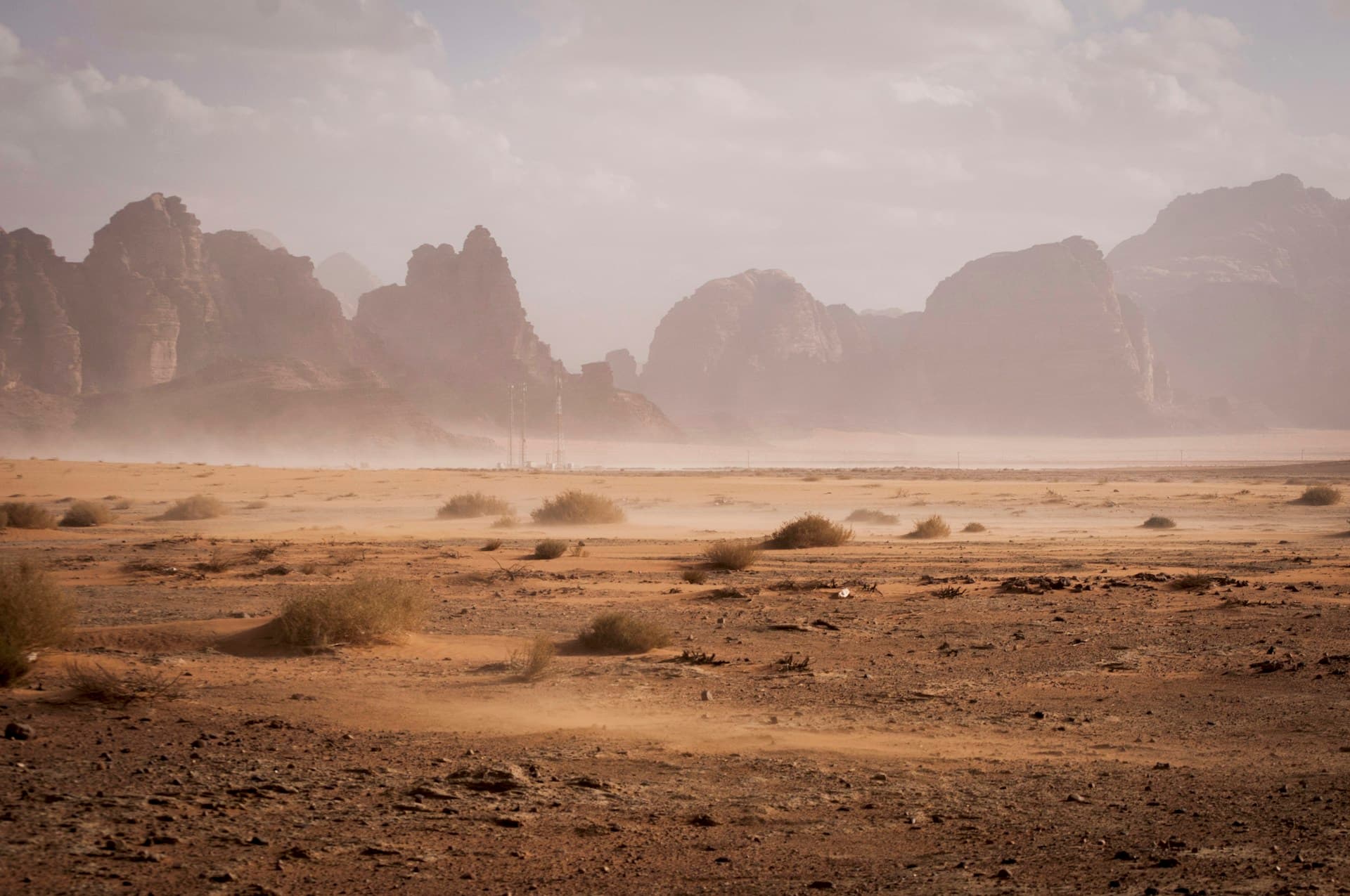
- Wadi Rum: A vast desert landscape of red sand dunes and towering rock formations. Overnight camping with Bedouin guides under a sky full of stars is among the most magical experiences in the Middle East.
- The Dead Sea: Float in water so mineral-rich that sinking is physically impossible. The Jordanian side is less developed (and less expensive) than the Israeli side.
- Amman: Often treated as a transit point, but the capital deserves a full day. The Citadel, Roman Theatre, and the food scene in Rainbow Street and the downtown souk are excellent.
- Aqaba: Jordan's Red Sea resort town offers excellent diving and snorkeling at a fraction of Sharm el-Sheikh prices.
Practical Information
Budget: $50-80/day mid-range. The Jordan Pass saves significant money.
Best time: March to May and September to November. Summers are brutally hot, especially in Wadi Rum and Aqaba.
Safety: Jordan is one of the safest countries in the region. Petty crime is rare. The main annoyance is aggressive taxi drivers and tourist-site touts.
Visa: Available on arrival for most nationalities ($40, or included with Jordan Pass).
Oman: The Middle East's Hidden Gem
Oman is the answer to the question, "Where in the Middle East feels authentic, safe, and unspoiled?" The sultanate has developed its tourism industry thoughtfully, avoiding the excesses of its Gulf neighbors while preserving its traditional culture.
Must-Do Experiences
- Muscat: The capital is elegant and understated. The Sultan Qaboos Grand Mosque is one of the most beautiful in the world (open to non-Muslims in the morning). The Mutrah Souq is an atmospheric warren of frankincense, textiles, and silver.
- Jebel Shams and the Grand Canyon of Oman: A dramatic gorge in the Hajar Mountains with excellent hiking. The Balcony Walk trail offers vertigo-inducing views.
- Wahiba Sands: Golden sand dunes stretching to the horizon. Desert camps range from basic to luxurious.
- Wadi Shab and Wadi Bani Khalid: Crystal-clear natural pools in dramatic canyon settings. Wadi Shab requires a short boat ride and a hike to reach the swimming pools.
- Sur and Ras al-Jinz: The town of Sur is a traditional dhow-building port. Nearby Ras al-Jinz is one of the world's most important green turtle nesting sites (visit June to September).
Practical Information
Budget: $60-100/day mid-range. Oman is moderately priced by Gulf standards.
Best time: October to March. Summers exceed 45C along the coast.
Safety: Oman is exceptionally safe — consistently ranked among the safest countries in the world.
Visa: E-visa available for most nationalities (10-day or 30-day options).
Getting around: A rental car is almost essential. Roads are excellent but distances are significant.
United Arab Emirates: Beyond the Stereotypes
The UAE is more than Dubai's skyscrapers and Abu Dhabi's oil wealth. While the modern cities are impressive, the country also offers desert experiences, mountain villages, and a rapidly evolving arts and food scene.
Must-Do Experiences
- Dubai: The Burj Khalifa and Dubai Mall are the obvious draws, but dig deeper. Old Dubai (Al Fahidi Historic District, the Creek, and the gold and spice souks) reveals the city's trading heritage. The street food scene in Deira and Karama, driven by the city's massive South Asian and Filipino communities, is world-class and shockingly affordable.
- Abu Dhabi: The Sheikh Zayed Grand Mosque is arguably the most beautiful modern mosque in the world. Saadiyat Island houses the Louvre Abu Dhabi. The Liwa Oasis on the edge of the Empty Quarter offers dramatic desert scenery.
- Sharjah: The UAE's cultural capital, with excellent museums and a well-preserved heritage area. Just 20 minutes from Dubai but feels like a different world.
- Ras Al Khaimah and the Hajar Mountains: Hiking, via ferrata, and the world's longest zipline at Jebel Jais.
- Fujairah: The UAE's east coast, facing the Gulf of Oman, with quieter beaches and good diving.
Practical Information
Budget: Varies wildly. Budget travelers can manage $60-80/day by eating at local Indian and Pakistani restaurants and using the metro. Luxury has no ceiling.
Best time: November to March. Summer temperatures regularly exceed 45C with extreme humidity.
Safety: Extremely safe. Crime rates are among the lowest in the world.
Visa: Visa-free for many Western nationalities (30-90 days depending on passport).
Egypt: Ancient Wonders and Modern Chaos
Egypt is overwhelming in the best and worst senses. The ancient sites are staggering — nothing prepares you for the scale of the Pyramids or the tombs of the Valley of the Kings. But the tourism infrastructure can be frustrating, with persistent touts, chaotic traffic, and a level of hustle that exhausts many visitors.
The key is preparation: know what to expect, arrange reliable transportation in advance, and do not let the hassle overshadow the wonder.
Must-Do Experiences
- The Pyramids of Giza: They really are as impressive as advertised. Go early morning to beat the crowds and heat. The Solar Boat Museum and the lesser-visited pyramids of Saqqara and Dahshur are excellent additions.
- Luxor: The open-air museum of ancient Egypt. The Karnak Temple complex, Valley of the Kings, and Hatshepsut's Temple demand at least two full days.
- Aswan and Abu Simbel: The Nile is at its most beautiful in Aswan. Abu Simbel's temples, relocated to avoid flooding from the Aswan Dam, are a feat of both ancient construction and modern engineering.
- Nile Cruise: A multi-day felucca (traditional sailing boat) or luxury cruise between Luxor and Aswan is a classic Egyptian experience.
- Siwa Oasis: A remote desert oasis near the Libyan border with hot springs, salt lakes, and Berber culture distinct from the rest of Egypt.
- White Desert: Surreal chalk-white rock formations in the Western Desert. Overnight camping trips from Bahariya Oasis are unforgettable.
- Cairo: The Egyptian Museum (soon to be replaced by the Grand Egyptian Museum near the Pyramids), Islamic Cairo's mosques and madrasas, and Khan el-Khalili bazaar.
Practical Information
Budget: $30-50/day budget, $70-150/day mid-range. Egypt is very affordable once you learn to navigate the pricing.
Best time: October to April. Summer in Upper Egypt (Luxor, Aswan) regularly exceeds 40C.
Safety: Tourist areas are heavily guarded and safe. Petty scams and aggressive hawkers are the main concerns, not physical safety.
Visa: Available on arrival for most nationalities ($25).
Lebanon: The Resilient Jewel
Lebanon packs an extraordinary amount into a tiny country — ancient Phoenician ruins, Roman temples, Ottoman architecture, world-class cuisine, mountain skiing, and Mediterranean beaches, all within a two-hour drive of each other.
Lebanon has faced significant challenges in recent years, including economic crisis and political instability. Check current conditions before planning a trip. When the situation allows, it is one of the most rewarding destinations in the entire region.
Must-Do Experiences
- Beirut: A city of contradictions and layers. The Corniche waterfront, Gemmayzeh nightlife, Armenian quarter of Bourj Hammoud, and the street food scene are captivating.
- Baalbek: Roman temple ruins that rival anything in Rome itself. The Temple of Jupiter's remaining six columns are among the largest ever constructed.
- Byblos (Jbeil): One of the oldest continuously inhabited cities in the world. Phoenician ruins, Crusader castle, and an atmospheric old port.
- Qadisha Valley: A UNESCO-listed gorge with ancient monasteries carved into cliff faces. Excellent hiking.
- Food: Lebanese cuisine is arguably the finest in the Middle East. Mezze culture means meals are long, social, and extraordinarily varied.
Practical Information
Budget: $40-70/day mid-range (prices fluctuate with the exchange rate).
Best time: April to June and September to November.
Safety: Variable. Beirut and the tourist circuit (Byblos, Baalbek, the Chouf Mountains) are generally safe. Always check the latest advisories.
Visa: Free on arrival for most nationalities (entry stamp at airport).
Saudi Arabia: The New Frontier
Saudi Arabia opened to tourism in 2019 with a new e-visa system, and the country is investing massively in tourism infrastructure. It remains a conservative destination, but the pace of change has been remarkable.
Must-Do Experiences
- AlUla: A vast archaeological landscape including Hegra (the "second Petra"), with Nabataean tombs carved into sandstone outcrops. This is Saudi Arabia's flagship tourism site and genuinely spectacular.
- Jeddah's Al Balad: The historic district of Jeddah is a UNESCO World Heritage Site with coral-stone buildings, traditional wooden balconies, and a real sense of history.
- The Edge of the World (Jebel Fihrayn): A dramatic cliff face overlooking an ancient sea bed near Riyadh. Best reached by 4WD.
- The Asir Mountains: The green, misty highlands near Abha feel nothing like the desert Saudi Arabia of popular imagination.
- Diriyah: The birthplace of the Saudi state, currently being restored into a major cultural destination near Riyadh.
Practical Information
Budget: $70-120/day mid-range. Accommodation is relatively expensive; food can be cheap.
Best time: November to March. Summer temperatures in most of the country are extreme.
Safety: Very safe for tourists. Crime is extremely low.
Visa: E-visa available for citizens of 49 countries.
Cultural Etiquette Across the Region
Dress Codes
Dress codes vary significantly by country and context:
- UAE and Oman: Smart casual is fine in cities. Cover shoulders and knees when visiting mosques. Swimwear is only appropriate at beaches and pools.
- Jordan and Egypt: Modest dress is appreciated but not legally enforced. Covering shoulders and knees in non-tourist areas shows respect.
- Saudi Arabia: Women are no longer required to wear an abaya, but modest, loose-fitting clothing covering shoulders, arms, and legs is expected. Men should avoid shorts in public.
- Lebanon: The most liberal dress code in the region. In Beirut, dress as you would in any European city. Cover up when visiting religious sites.
Ramadan
Ramadan falls approximately 10 days earlier each year. During Ramadan:
- Muslims fast from sunrise to sunset. In most countries, eating, drinking, and smoking in public during daylight hours is considered disrespectful (and is legally prohibited in Saudi Arabia and the UAE).
- Many restaurants close during the day or serve behind screens.
- The upside: iftar (the evening meal breaking the fast) is a wonderful cultural experience. Many hotels and restaurants offer special iftar menus, and the atmosphere after sunset is festive and welcoming.
- Tourist areas in Jordan, Egypt, and Lebanon are generally relaxed about Ramadan observance by non-Muslims.
Greetings and Social Norms
- Handshakes: Men shake hands with men. When meeting women, wait for the woman to extend her hand first. If she does not, a hand over the heart with a slight nod is appropriate.
- Hospitality: Refusing offers of tea or coffee can be considered rude. Accept graciously, even if you only take a sip.
- Shoes: Remove shoes before entering homes and mosques.
- Photography: Always ask before photographing people, especially women. Never photograph military or government buildings.
- Left hand: The left hand is considered unclean in many Middle Eastern cultures. Use your right hand for eating and passing items.
Safety: An Honest Assessment
The Middle East is not uniformly safe or uniformly dangerous. Country-by-country:
- Safest: Oman, UAE, Jordan, and Saudi Arabia have extremely low crime rates. Violent crime against tourists is virtually unheard of.
- Generally safe with caveats: Egypt is safe in tourist areas but requires street smarts and scam awareness. Lebanon's safety depends on the political moment.
- Check current advisories: Iraq, Syria, and Yemen are not covered in this guide for obvious reasons. Even within generally safe countries, border areas can be sensitive.
Common sense applies everywhere: do not discuss politics with strangers, respect local customs, and keep a low profile.
Costs and Money
- Cheapest: Egypt is extremely affordable. A quality meal can cost $3-5 in local restaurants.
- Mid-range: Jordan, Lebanon, and Oman offer good value for the quality of experience.
- Expensive: UAE and Saudi Arabia have higher costs, though budget options exist.
- Cash vs. cards: Cash is still preferred in Egyptian markets and Jordanian taxis. The UAE and Oman are largely card-friendly. Always carry some local currency.
- Bargaining: Expected in Egyptian bazaars and traditional souks. Not expected in modern shops, restaurants, or in the Gulf states.
Getting Around
- UAE: Excellent public transport in Dubai (metro, bus, water taxi). Abu Dhabi has buses but a rental car or taxi is more practical.
- Jordan: JETT buses connect major cities. Renting a car to explore the King's Highway and Wadi Rum is recommended.
- Egypt: Domestic flights are cheap (EgyptAir, Nile Air). Trains connect Cairo, Luxor, and Aswan. Uber works well in Cairo.
- Oman: Rental car essential. Roads are excellent.
- Saudi Arabia: Domestic flights connect major cities. The Haramain high-speed train links Mecca, Jeddah, and Medina. Car rental is useful for AlUla and the Asir region.
Suggested Two-Week Itinerary: Jordan, Oman, and UAE
Days 1-2: Amman — Citadel, Roman Theatre, downtown food tour.
Day 3: Day trip to Jerash (Roman ruins) and the Dead Sea.
Days 4-5: Petra — full day exploring the site, plus a hike to the Monastery.
Day 6: Wadi Rum — jeep tour and overnight desert camp.
Day 7: Fly from Aqaba to Muscat (via connection).
Days 8-9: Muscat — Grand Mosque, Mutrah Souq, Royal Opera House area.
Day 10: Drive to Nizwa and Jebel Shams, hike the Balcony Walk.
Day 11: Drive to Wahiba Sands, overnight desert camp.
Day 12: Drive to Muscat, fly to Dubai.
Day 13: Dubai — Old Dubai, souks, Burj Khalifa at sunset.
Day 14: Abu Dhabi day trip — Sheikh Zayed Mosque, Louvre Abu Dhabi. Fly out.
Let AI Build Your Middle East Itinerary
The Middle East rewards careful planning — understanding Ramadan dates, navigating visa requirements, timing visits to avoid extreme heat, and connecting flights between countries. TripGenie can handle all of this, building a detailed day-by-day itinerary tailored to your interests and comfort level.
Topics

Written by
TripGenie Team
The TripGenie team is passionate about making travel planning effortless with AI. We combine travel expertise with cutting-edge technology to help you explore the world.
@tripgenieGet Travel Tips Delivered Weekly
Get our best travel tips, destination guides, and exclusive deals delivered straight to your inbox every week.
No spam, ever. Unsubscribe anytime.