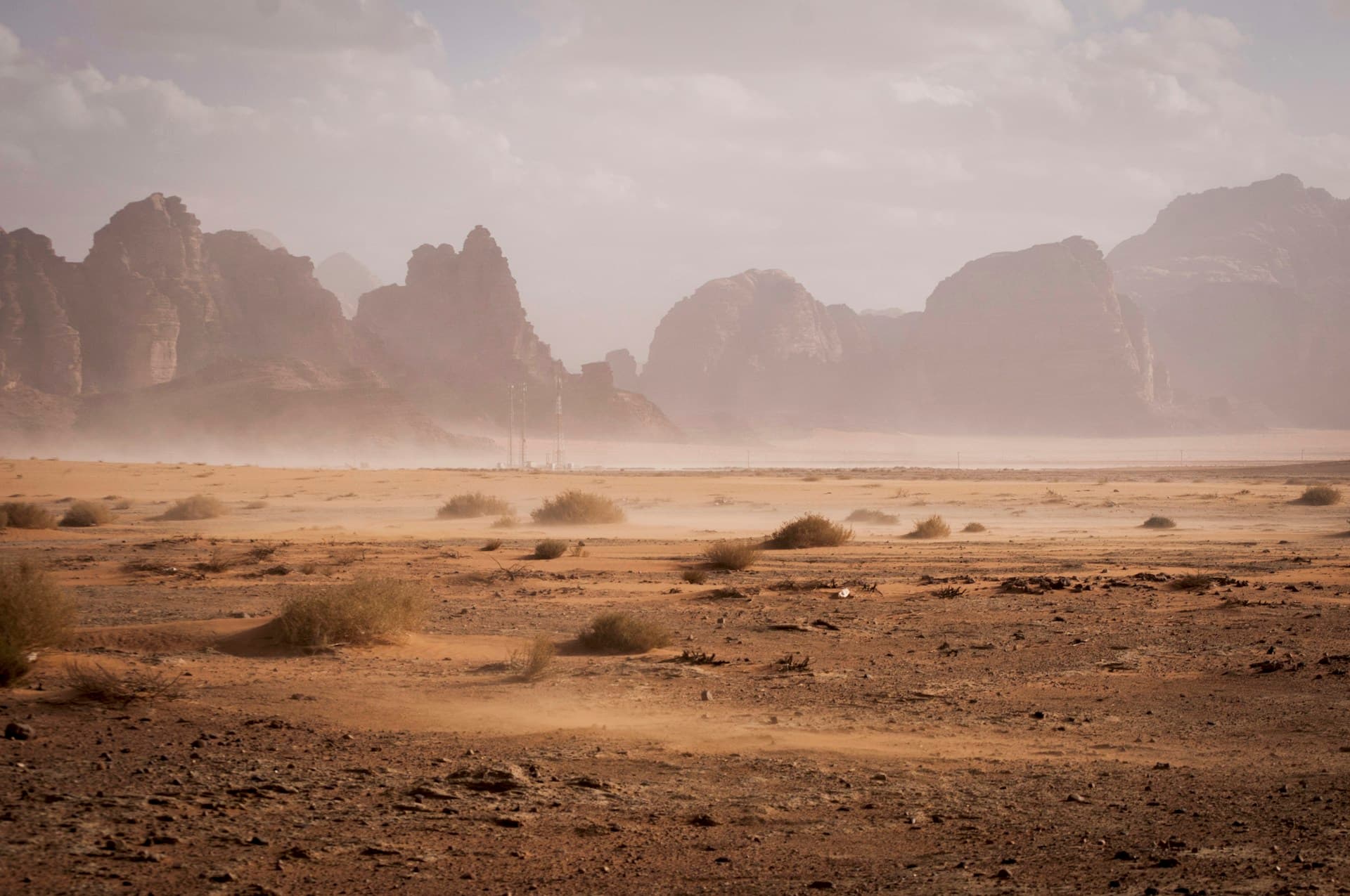

South America is a continent of extremes. The driest desert on Earth sits alongside the largest rainforest. Glaciers calve into turquoise lakes while tropical beaches stretch for hundreds of miles. Ancient Incan ruins crown Andean peaks, and megacities pulse with music and nightlife that runs until dawn.
Despite its size — roughly twice the area of Europe — South America remains surprisingly accessible for travelers. Most countries offer visa-free entry for North American and European passport holders, a well-established backpacker infrastructure keeps costs low, and the warmth of the people makes navigating unfamiliar territory feel less daunting than you might expect.
This guide covers the essential information for planning a trip across the continent, whether you have two weeks or two months.
Country-by-Country Highlights
Peru
Peru is many travelers' first taste of South America, and with good reason. The country packs an extraordinary range of experiences into a manageable size.
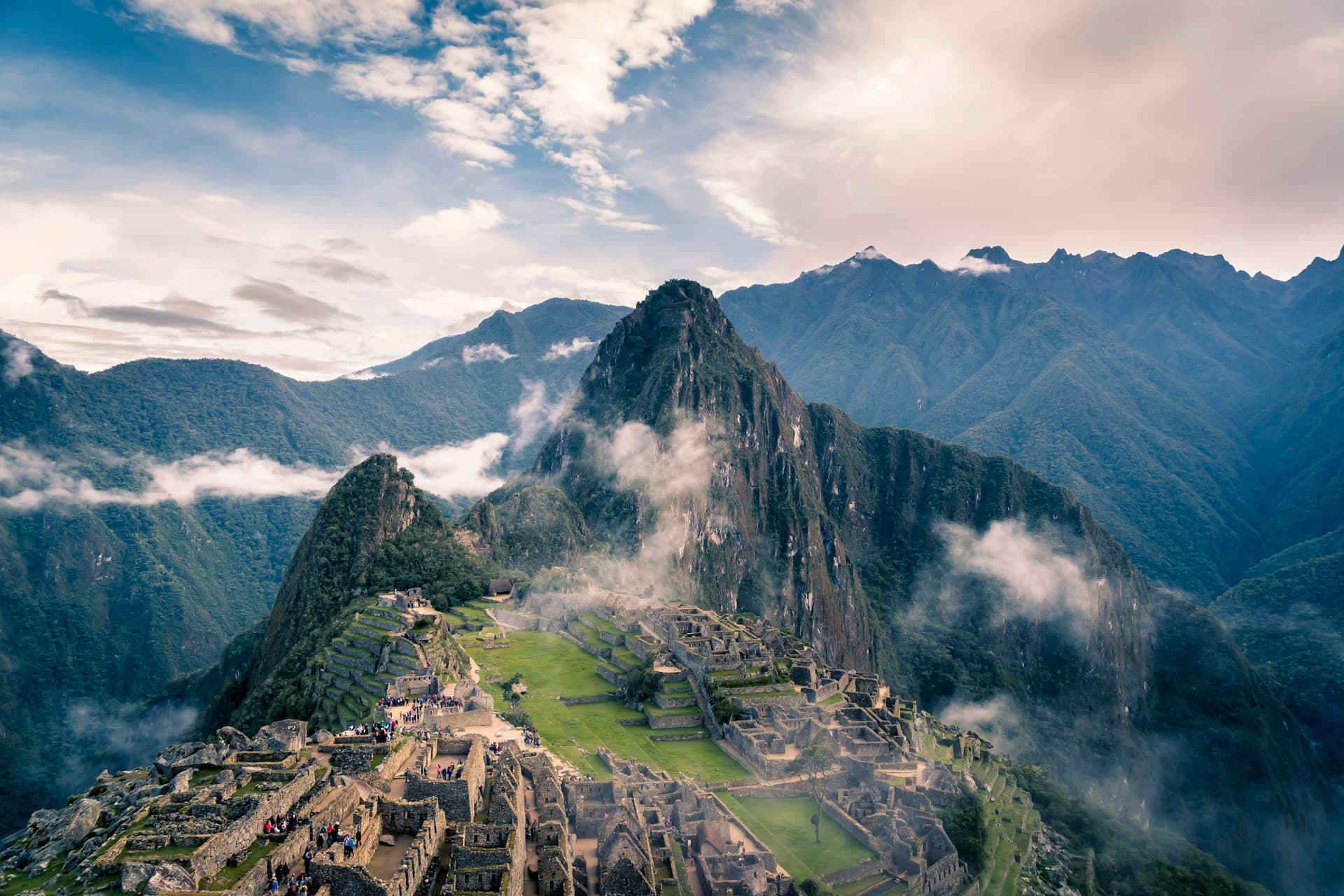
- Machu Picchu: The iconic Incan citadel remains one of the world's great archaeological sites. Book your entry tickets at least two months in advance — daily visitor numbers are capped at around 4,500.
- Cusco: The former Incan capital is a stunning base for exploring the Sacred Valley. Spend at least two days acclimatizing to the altitude (3,400m) before attempting any treks.
- Lima: South America's gastronomic capital. The Miraflores and Barranco neighborhoods are walkable and packed with world-class cevicherias and fine dining.
- Colca Canyon: Twice as deep as the Grand Canyon, with Andean condors soaring on thermal updrafts each morning.
- Lake Titicaca: The world's highest navigable lake, shared with Bolivia. Visit the floating Uros Islands and the traditional communities of Taquile.
Budget: $35-55/day for backpackers, $80-150/day for mid-range.
Best time: May to September (dry season in the highlands). Lima's coast is best from December to March.
Colombia
Colombia's transformation over the past two decades is one of travel's great stories. The country that once topped "most dangerous" lists now regularly appears on "best destinations" lists.
- Cartagena: A walled colonial city on the Caribbean coast. The Old Town is a UNESCO World Heritage Site filled with colorful buildings, plazas, and rooftop bars.
- Medellin: Once infamous, now innovative. The city of eternal spring sits in a valley at 1,500m with near-perfect weather year-round. The public transportation system (including cable cars to hilltop neighborhoods) is a model for urban planning.
- Salento and the Coffee Triangle: Wax palms towering in the Cocora Valley, coffee farm tours, and a laid-back pueblo vibe.
- Tayrona National Park: Caribbean beaches backed by jungle and the Sierra Nevada mountains.
- San Andres and Providencia: Remote Caribbean islands with sea-of-seven-colors snorkeling.
Budget: $30-45/day for backpackers, $60-120/day for mid-range.
Best time: December to March and July to August (dry seasons). Colombia's equatorial location means temperatures are consistent year-round — altitude determines climate more than season.
Argentina
Argentina stretches from subtropical jungle to Antarctic-approaching glaciers. It is the continent's most European-feeling country, with a strong cafe culture, world-class wine, and a passionate relationship with football.
- Buenos Aires: Tango shows in San Telmo, steak in Palermo, bookstores in Recoleta. Argentina's capital is endlessly walkable and culturally rich.
- Patagonia: Torres del Paine (technically in Chile but often combined with Argentine Patagonia), Perito Moreno Glacier, and the hiking capital of El Chalten.
- Mendoza: The heart of Argentine wine country. Malbec tastings among Andean foothills for a fraction of Napa Valley prices.
- Iguazu Falls: One of the world's most spectacular waterfalls — 275 cascades spread across nearly 3 kilometers. The Argentine side offers closer, more immersive walkways.
- Salta and the Northwest: Red-rock gorges, pre-Columbian ruins, and the high-altitude desert of the Puna.
Budget: $35-50/day for backpackers (fluctuates with the exchange rate), $80-160/day for mid-range.
Best time: October to April for Patagonia, March to May for Buenos Aires and wine country.
Brazil
The largest country in South America — and the fifth largest in the world — Brazil could fill an entire trip on its own.
- Rio de Janeiro: Christ the Redeemer, Sugarloaf Mountain, Copacabana and Ipanema beaches, and a nightlife scene that rivals anywhere on Earth.
- The Amazon: Manaus is the gateway to jungle lodges and river expeditions. Multi-day boat trips on the Amazon are unforgettable.
- Iguazu Falls: The Brazilian side offers the panoramic overview — combine both sides for the full experience.
- Salvador da Bahia: Afro-Brazilian culture at its most vibrant. The Pelourinho historic center, capoeira circles, and acaraje street food.
- Florianopolis: An island city with 42 beaches, excellent surfing, and a relaxed southern Brazilian vibe.
- Chapada Diamantina: A national park in Bahia state with table-top mountains, caves, waterfalls, and multi-day trekking.
Budget: $40-55/day for backpackers, $80-180/day for mid-range. Rio and Sao Paulo are notably more expensive.
Best time: May to September for the Amazon (lower water, fewer mosquitoes). December to March for southern beaches. Rio Carnival is in February or March.
Bolivia
Bolivia is South America's most affordable country and one of its most visually dramatic. The infrastructure can be rough, but the rewards are immense.
- Salar de Uyuni: The world's largest salt flat creates surreal mirror reflections during the wet season (January-March) and infinite white expanses during the dry season.
- La Paz: The world's highest administrative capital (3,640m). Take the teleferico cable car system for aerial views of the city spilling down its canyon.
- Death Road: The infamous Yungas Road from La Paz to Coroico — now a mountain biking route rather than a functioning highway.
- Sucre: Bolivia's constitutional capital and prettiest city. White colonial buildings, excellent chocolate shops, and a dinosaur footprint wall.
Budget: $20-35/day for backpackers, $50-90/day for mid-range.
Best time: May to October (dry season). The salt flats are photogenic year-round but serve different moods.
Chile
Chile's absurd geography — 4,300 km long but averaging only 177 km wide — means you can go from the driest desert to ancient glaciers in a single country.
- Atacama Desert: The world's driest desert offers salt flats, geysers, flamingo-dotted lagoons, and some of the planet's best stargazing.
- Valparaiso: A bohemian port city with hillside funiculars, colorful street art, and Pablo Neruda's house.
- Torres del Paine: Patagonia's crown jewel. The W Trek (4-5 days) and the O Circuit (7-9 days) are bucket-list hikes.
- Easter Island (Rapa Nui): Remote Polynesian island with the iconic moai statues. A 5-hour flight from Santiago.
- Santiago: A modern, walkable capital with excellent food, wine bars, and easy access to both Andean ski resorts and coastal towns.
Budget: $40-60/day for backpackers (Chile is one of the pricier South American countries), $90-180/day for mid-range.
Best time: November to March for Patagonia and southern Chile. Year-round for the Atacama.
Ecuador
Tiny Ecuador punches well above its weight. Within a country the size of Colorado, you get Andean highlands, Amazon jungle, Pacific coast, and the Galapagos Islands.
- Galapagos Islands: Wildlife encounters found nowhere else on Earth. Last-minute cruises from Puerto Ayora can save 30-50% off advance prices.
- Quito: A UNESCO-listed colonial center at 2,850m. The teleferico gondola climbs to 4,100m for panoramic views.
- Banos: Adventure-sport capital with canyoning, zip-lining, bridge jumping, and hot springs.
- Otavalo: One of South America's most famous indigenous markets, held every Saturday.
Budget: $30-45/day for backpackers (mainland), $150-300/day for Galapagos cruise.
Best time: June to September for the highlands. January to May for warmer Galapagos water.
Uruguay
Often overlooked between its giant neighbors, Uruguay is South America's most progressive and relaxed country.
- Montevideo: A low-key capital with excellent steak, a beautiful rambla (waterfront promenade), and Sunday markets at Feria de Tristan Narvaja.
- Colonia del Sacramento: A UNESCO-listed town just a ferry ride from Buenos Aires. Cobblestone streets and colonial charm.
- Punta del Este and Jose Ignacio: Beach resort towns that attract South America's jet set in January and February.
Budget: $45-65/day for backpackers (Uruguay is relatively expensive), $100-200/day for mid-range.
Best time: December to March for beach season.
Paraguay and the Guianas
Paraguay is rarely on tourist itineraries but offers authentic, untouristy South American life. Asuncion's historic center and the Jesuit ruins of Trinidad and Jesus are the main draws.
French Guiana, Suriname, and Guyana occupy the continent's northeast corner and feel distinct from the rest of South America. Guyana offers incredible wildlife in the Rupununi savanna, Suriname has a fascinating multicultural capital in Paramaribo, and French Guiana has the Guiana Space Centre and pristine Amazonian wilderness.
When to Visit South America
South America spans from 12 degrees north to 56 degrees south of the equator, so there is no single "best time." Here is a seasonal overview:
- December to February: Summer in the south (Patagonia, Buenos Aires, Uruguay beaches). Wet season in the Amazon and Bolivia. Carnival in Brazil.
- March to May: Shoulder season throughout. Excellent for Peru, Colombia, and Ecuador. Autumn in the south.
- June to August: Dry season in Peru, Bolivia, and the Amazon. Winter in the south (ski season in Chile and Argentina). Peak season for Galapagos.
- September to November: Spring in the south. Shoulder season prices with good weather across most of the continent.
Multi-Country Route Suggestions
Two-Week Route: Peru and Bolivia
Days 1-3: Lima — explore Miraflores and Barranco, eat at a cevicheria, visit the Larco Museum.
Days 4-5: Fly to Cusco, acclimatize, explore the city and nearby ruins.
Days 6-7: Sacred Valley — Ollantaytambo, Pisac, Moray salt terraces.
Day 8: Machu Picchu (or start the 4-day Inca Trail on Day 5).
Days 9-10: Bus from Cusco to Puno, visit Lake Titicaca.
Day 11: Cross the border to Copacabana, Bolivia. Ferry to Isla del Sol.
Days 12-13: La Paz — markets, telesferico, Death Road mountain biking.
Day 14: Fly out from La Paz (or add 3 days for a Uyuni salt flat tour).
Four-Week Route: Colombia to Patagonia
Week 1: Colombia — Bogota (2 days), fly to the Coffee Triangle (2 days), Medellin (3 days).
Week 2: Peru — Fly Lima (1 day), fly Cusco (2 days), Sacred Valley and Machu Picchu (3 days), fly to Lima (1 day).
Week 3: Argentina North — Fly to Buenos Aires (3 days), fly to Iguazu Falls (2 days), fly to Mendoza for wine country (2 days).
Week 4: Patagonia — Fly to El Calafate, Perito Moreno Glacier (2 days), bus to El Chalten for hiking (3 days), fly out from El Calafate (2 days including travel).
This route requires internal flights, which are the most efficient way to cover distance. Budget $200-400 per flight segment.
Getting Around
Flights
South America's distances are vast. Budget airlines like JetSMART (Chile, Argentina, Colombia, Peru), SKY Airline, and Gol (Brazil) have made internal flights much cheaper. Book 2-4 weeks in advance for best prices. Long-distance buses remain the backpacker standard, but the time savings of flights often justify the cost.
Buses
Long-distance buses are excellent in Argentina, Chile, Peru, and Brazil. Companies like Cruz del Sur (Peru), Andesmar (Argentina), and Pullman (Chile) run comfortable semi-cama (reclining) and cama (fully flat) services.
- Argentina: Buenos Aires to Mendoza is 14 hours by bus, 2 hours by flight.
- Peru: Lima to Cusco is 22 hours by bus (scenic but exhausting) or 1.5 hours by flight.
- Brazil: Distances are enormous — fly between regions.
Border Crossings
Most borders are straightforward for Western passport holders. Common crossings:
- Peru to Bolivia: Desaguadero or Copacabana (Lake Titicaca area). Easy, same-day process.
- Argentina to Chile: Multiple Andean crossings. The Mendoza to Santiago bus is a classic scenic route (7 hours).
- Argentina to Brazil: Iguazu Falls crossing is simple. Puerto Iguazu (Argentina) to Foz do Iguacu (Brazil).
- Colombia to Ecuador: The Ipiales/Tulcan border is safe and efficient.
Always carry printed copies of your return or onward travel ticket, as some immigration officers request them.
Visa Information
Most South American countries offer visa-free entry for US, Canadian, EU, UK, and Australian passport holders. Notable details:
- Brazil: Visa-free for US citizens since 2019 (previously required). 90-day stay.
- Bolivia: US citizens need a visa ($160). Available at the border or in advance. Other Western nationalities enter free.
- Argentina: Reciprocity fees have been eliminated. Free entry for most nationalities.
- Suriname: E-visa required for most nationalities ($40).
Always check the latest requirements before travel, as policies change.
Safety
South America's safety reputation is worse than the reality for most travelers, but it does require more awareness than Western Europe or Japan.
General Rules
- Petty theft is the primary risk. Use a money belt or hidden pouch for valuables. Do not flash expensive electronics on the street.
- Use registered taxis or ride-sharing apps (Uber, DiDi, Cabify, InDriver) rather than hailing cabs on the street.
- Avoid walking alone at night in unfamiliar neighborhoods, especially in larger cities.
- Research specific neighborhoods before booking accommodation. In most South American cities, safety varies dramatically from one barrio to the next.
- ATM safety: Use ATMs inside banks or shopping malls during business hours. Withdraw only what you need.
Country-Specific Notes
- Colombia: Dramatically safer than its reputation suggests, particularly in tourist areas. Medellin, Cartagena, and the Coffee Triangle are well-traveled and well-policed. Avoid rural areas near the Venezuelan border.
- Brazil: Cities have significant inequality and street crime is real. Stay in well-known neighborhoods, take Uber everywhere at night, and avoid deserted beaches after dark.
- Argentina and Chile: Among the safest countries on the continent. Standard urban precautions apply.
- Peru: Safe for tourists on the main circuit. Lima requires street smarts, particularly in Centro.
- Bolivia: Petty crime and occasional road blockades (bloqueos) are the main concerns.
- Venezuela: Not recommended for travel at present due to political instability and economic crisis.
Costs
South America offers excellent value, particularly compared to Europe and North America. Here is a rough daily budget breakdown:
Budget Traveler ($25-45/day)
- Dorm beds: $8-15/night
- Local meals: $2-5 per meal
- Local transport: $1-3 per trip
- Activities: $5-15/day average
Mid-Range Traveler ($60-150/day)
- Private hotel room: $30-80/night
- Restaurant meals: $8-20 per meal
- Occasional taxis/Uber: $5-15/day
- Guided tours and activities: $20-50/day
Tipping
Most South American countries add a service charge (cubierto in Argentina, around 10%). Additional tipping of 10% is appreciated but not always expected. In Brazil, 10% is standard. In Peru and Colombia, tipping is increasingly common in tourist areas.
Language Tips
Spanish is spoken everywhere except Brazil (Portuguese), Guyana (English), Suriname (Dutch), and French Guiana (French).
- Learning basic Spanish transforms the travel experience. Even 20 hours of Duolingo or a week of classes in Guatemala or Colombia (among the cheapest places in the world for Spanish schools) makes a huge difference.
- English is not widely spoken outside of tourist hubs. Younger people in major cities are more likely to speak English.
- South American Spanish varies significantly by country. Argentine Spanish is famously distinct, with "ll" and "y" pronounced as "sh." Colombian Spanish is considered one of the clearest and easiest to understand.
- Brazilian Portuguese is not mutually intelligible with Spanish. Spanish speakers can read Portuguese reasonably well but will struggle with spoken Portuguese.
- Translation apps (Google Translate's camera feature works with signs and menus) are invaluable.
Packing Essentials
South America's climate diversity means layering is essential:
- Rain jacket: Useful everywhere from the Amazon to Patagonia.
- Warm layers: Essential for altitude (Cusco, La Paz, Quito) and Patagonia. Temperatures at 3,000m+ can drop to freezing.
- Sun protection: The equatorial sun at altitude is brutal. SPF 50+, a hat, and sunglasses are non-negotiable.
- Comfortable walking shoes: Cobblestone streets and hiking trails demand solid footwear.
- Portable charger: Long bus rides and spotty electricity in remote areas make this essential.
- Copies of documents: Keep digital copies of your passport, travel insurance, and important bookings.
Let AI Plan Your South America Trip
Planning a multi-country South American itinerary involves juggling flights, border crossings, altitude acclimatization, and seasonal timing. TripGenie can build a detailed day-by-day itinerary that accounts for all of these factors.
Tell us your dates, interests, and budget, and we will create a route that makes the most of your time on this extraordinary continent.
Topics

Written by
TripGenie Team
The TripGenie team is passionate about making travel planning effortless with AI. We combine travel expertise with cutting-edge technology to help you explore the world.
@tripgenieGet Travel Tips Delivered Weekly
Get our best travel tips, destination guides, and exclusive deals delivered straight to your inbox every week.
No spam, ever. Unsubscribe anytime.